Why Your Branding Needs To Be Different For The Web
 The internet has changed how we communicate and interact in almost every aspect of our lives. It has also changed how we market products and services.
In an age where people often have a personal website before they even leave school, your company’s marketing must be different for the web. And that starts with branding.
Branding is more than just a logo or an advertising campaign; it’s a strategy. But what exactly is brand equity? How do you build brand equity? What are some tips on creating a solid brand for your business? This article will help you understand the importance of branding for your business and how to apply those principles to your marketing strategy online effectively.
What Is Brand Equity?
Brand equity is the value that your company’s brand holds. In many ways, it’s an indication of how well your business is doing. The strength of your marketing efforts, the quality of your product or service, and the loyalty of your customers all contribute to your brand equity.
So how do you measure brand equity? The most common method is something called the brand strength index. This index measures the strength of your brand based on six key brand equity factors. They are:
- Brand awareness – How many people are familiar with your company’s name or logo?
- Brand associations – What does your brand make people think about?
- Brand equity – How valuable is your brand to your company?
- Brand purchase intention – Do people want to buy your products or services?
- Brand switching intention – Are people likely to switch to a competitor?
- Brand commitment – How likely are customers to remain loyal to your brand?
Why Is Branding Important For The Web?
Branding is essential for the web for two reasons. First of all, it’s the very first impression that potential customers have of your company. It’s the image that you want people to see when they think about your product or service.
The second reason branding is vital for the web is that branding is how you differentiate yourself from your competitors. It’s how you show what makes you different. In marketing, you don’t want to be average. You want to stand out and be the brand that consumers choose.
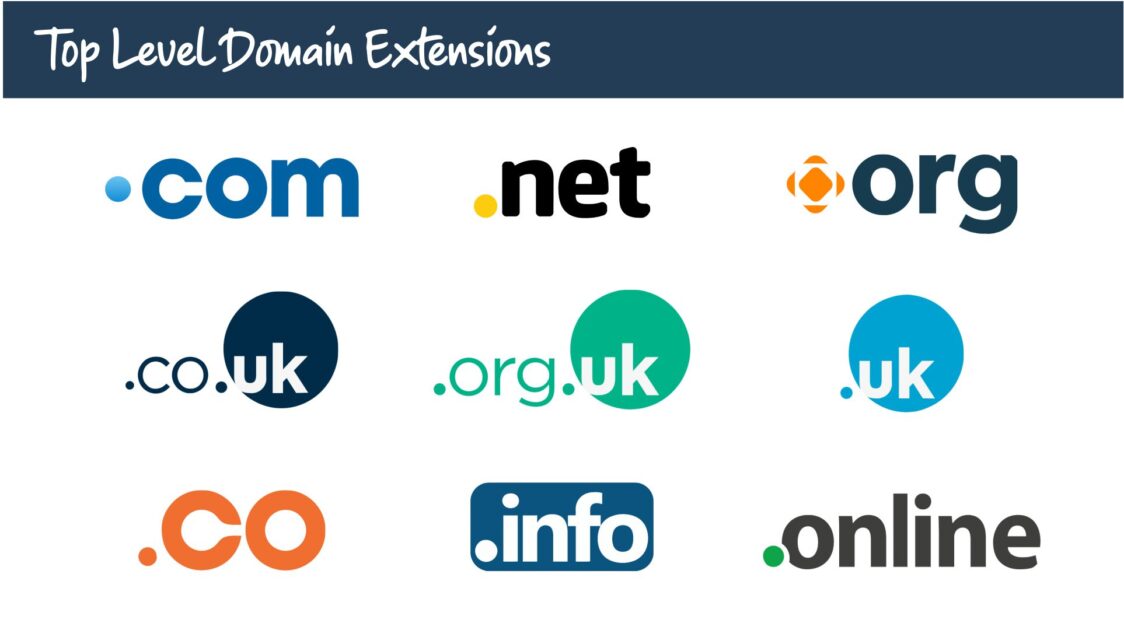
Your Top Level Domain (TLD) Extension is part of your brand on the web
Three ways your branding needs to be different for the web
The first thing to keep in mind when branding for the web is that the customer journey is very different.

First, people don’t physically walk into a store and walk out with a product. That means that you have to start engaging customers very early. When you’re branding for the web, you want to keep the following in mind:
- It’s an online-only brand – In many ways, branding for the web is like branding for social media. Your brand is the look and feel of your website, your logo, your colour scheme, and even how you communicate with people online.
- It’s a growth-first brand – A lot of successful branding for the web is about building brand awareness. It’s about maintaining a consistent message across all of the channels where your brand exists. It’s about collecting email addresses and creating an interactive, engaging experience on your site.
- It’s a customer interaction brand – Your customers probably have many options. They probably have several different products to choose from. So branding for the web is about really engaging that customer and creating an experience that keeps them coming back.
Two mistakes to avoid with branding in digital marketing

Colours need to be carefully chosen for optimum display across all devices
Brand awareness is a great thing, but it’s essential to ensure that you don’t overwhelm your customer with it. If you have a strong brand and your customer doesn’t know about it, that’s a mistake.
Unfortunately, many brands make the mistake of assuming that because they have a strong brand, everyone knows about it. There’s a reason that some brands are household names and others aren’t.
The second mistake that many brands make is not evolving as their customer base changes. As new generations enter the world, their tastes and their preferences change. When a company has a strong brand that has been around for a long time, it’s crucial to stay relevant. It’s important to evolve how the brand is communicated to reflect the current trends and tastes of the consumer base.
Bottom line
The internet has changed how we communicate and interact in almost every aspect of our lives. It has also changed how we market products and services
Branding is more than just a logo or an advertising campaign; it’s a strategy. When you put the same amount of effort into branding that goes into creating your product or service, you can create a truly effective marketing strategy that will last for years.
Further Reading
Are your branding colours delivering the right message?
Is your font wrong for your website?
Need help turning this advice into action?
If you are reviewing your website, marketing or online visibility, we can help you work out what to improve first.
Related articles
 Branding
Designed logo v cheaper outsourced alternative?
A logo is much more than a design. It's your brand's visual identity, the symbol that customers associate with your business. With so much…
Read article
Branding
Designed logo v cheaper outsourced alternative?
A logo is much more than a design. It's your brand's visual identity, the symbol that customers associate with your business. With so much…
Read article
 Branding
What is Digital-First Branding?
Digital-first branding is a strategy that prioritises designing a brand with online platforms as the primary focus. Unlike traditional branding, digital-first branding embraces the…
Read article
Branding
What is Digital-First Branding?
Digital-first branding is a strategy that prioritises designing a brand with online platforms as the primary focus. Unlike traditional branding, digital-first branding embraces the…
Read article
 Branding
Things to Consider When Rebranding
Rebranding represents one of the most thrilling stages in a company's journey, offering a fresh chapter and a unique chance to align its identity…
Read article
Branding
Things to Consider When Rebranding
Rebranding represents one of the most thrilling stages in a company's journey, offering a fresh chapter and a unique chance to align its identity…
Read article
 VideoandWeb.com