What is Digital-First Branding?

Branding has evolved far beyond a memorable logo or catchy slogan. So, what is digital-first branding? It’s a strategy that prioritises designing a brand with online platforms as the primary focus. Unlike traditional branding, which often roots itself in print and physical media, digital-first branding embraces the virtual world, ensuring that every asset is optimised for the platforms where audiences spend most of their time.
This shift represents more than just a change in medium; it reflects a fundamental transformation in how brands communicate, engage, and build trust with their audiences. This article explores digital-first branding and how you can apply it to your marketing.
What is Digital First Branding?
Digital-first branding is an approach where a brand’s design, tone, and assets are created with digital environments as the priority. Rather than treating online platforms as an afterthought, this method ensures a brand thrives on websites, social media, and other digital touchpoints.
Imagine a traditional brand built around stationery, billboards, and physical brochures. While these materials remain relevant, they no longer dominate the conversation. In contrast, a digital-first brand ensures its logo looks sharp on a smartphone screen, its colour palette adapts seamlessly to website buttons and hyperlinks, and its imagery aligns with the expectations of online audiences.
It’s not just about aesthetics; it’s about creating a cohesive and adaptable presence across an interconnected digital ecosystem. If you examine prominent corporate logos over the past decade, you’ll notice a subtle shift toward cleaner, more straightforward designs that prioritise readability and versatility in digital formats.

Why is Digital-First Branding Different?
Traditional branding starts with physical mediums: logos are crafted for letterheads, colours are chosen for printed posters, and typography is tailored for brochures. Digital adaptations come later, often leading to inconsistencies when transferring these elements online. Digital-first branding reverses this approach.
1. Scalability Across Platforms
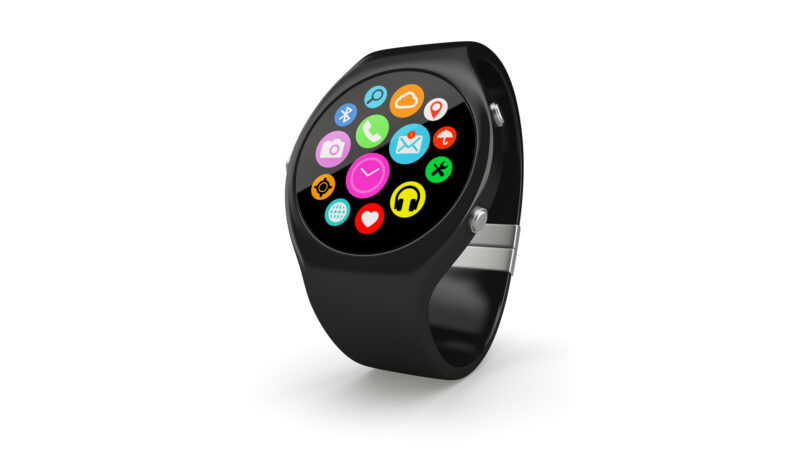
A digital-first strategy ensures branding assets adapt seamlessly across various digital formats. A web-designed logo must maintain its impact as a social media profile picture or a website header. This adaptability is vital in a world where screens range from smartwatches to televisions.
2. Inclusion of Digital-Specific Assets
Digital branding demands more than a core logo and color palette. It requires a diverse suite of assets, such as video titles, video cards, website textures, and animations like video idents. These assets must function cohesively across multiple platforms.
3. Consistency for a Fragmented Audience
Digital audiences engage with content in numerous formats—from Instagram Stories to YouTube ads. A digital-first brand ensures a unified and recognisable experience at every touchpoint, fostering familiarity and trust.
4. Flexibility and Variety
One logo rarely fits all digital formats. Branding must accommodate different sizes, colour schemes, and formats. A vibrant logo might shine on a website, while a minimalist monochrome version could work better as a video watermark.


Comprehensive Asset Suite
A robust digital-first brand doesn’t rely on a single logo or basic colour scheme. It offers a variety of assets for every situation.
Building a digital-first brand involves meticulous planning to create assets suited for the dynamic digital environment. Here’s what defines this strategy:
- Logos: Multiple versions, including primary, secondary, and icon-only designs. All are optimised for different platforms.
- Colours: A thoughtfully designed palette, including primary, secondary, and tertiary options, ensures all elements—from buttons to banners—align seamlessly.
- Website Page Textures and Backgrounds: Subtle patterns or designs enhance visual appeal without detracting from the content.
Typography for Digital Consumption
Fonts must be legible across all devices. Serif fonts often work beautifully in print but can strain the eyes on small screens. A digital-first brand chooses fonts that balance readability with aesthetic appeal.
Using Google Fonts simplifies this process by offering a vast library of typefaces optimised for digital use. These fonts load quickly and render smoothly across devices, enhancing user experience and reducing bounce rates. Google Fonts also operate as open-source resources, allowing brands to customise them easily while maintaining cost efficiency and technical reliability.
Video Assets
Video is the backbone of digital communication. Brands need polished video titles, cards, and idents to engage audiences on platforms like YouTube, Instagram Reels, and TikTok. Ignoring video content today is a missed opportunity to captivate audiences.
Dynamic Design for Interactive Media
Digital platforms are inherently interactive. Brands must design assets that respond to user actions, like buttons that subtly change when hovered over, ensuring an intuitive and engaging experience.
The Importance of Consistency
Consistency is the backbone of successful digital-first branding. Audiences should instantly recognise your brand across websites, social media, and videos. This familiarity builds trust and reinforces identity.
Achieving consistency requires careful planning. Every asset—textures, typography, button colours, must align with a unified style guide. Without it, brands risk appearing fragmented and alienating their audience.
Challenges in Digital-First Branding
Despite its advantages, digital-first branding presents challenges. Many traditional agencies lack the foresight to create comprehensive digital portfolios. Basic logos and colour palettes fall short of meeting the needs of complex online platforms.
Balancing creativity with consistency is another hurdle. While audiences crave fresh, innovative content, straying too far from established branding can dilute identity. Brands must innovate within their guidelines to maintain cohesion.

Why It Matters for Modern Businesses
In the digital era, branding isn’t just about standing out—it’s about adapting. A digital-first approach equips businesses to thrive on platforms where their audience spends the most time. From sleek app logos to engaging social media content, digital branding ensures brands remain relevant and competitive.
More importantly, digital-first branding is future-proof. As technology evolves, adaptable branding assets will continue to resonate with audiences across new formats and platforms.
The digital landscape is ever-changing. By embracing digital-first strategies, brands can thrive in this dynamic environment, creating a lasting online presence that captures attention and builds loyalty.
Summary
- Digital-first branding begins with online platforms, unlike traditional branding, which starts with print.
- It requires a comprehensive suite of assets, including logos, colours, typography, and video elements.
- Consistency across platforms is crucial for building trust and identity.
- Challenges include outdated traditional approaches and balancing creativity with consistency.
- Digital-first branding ensures adaptability, preparing businesses for future technological and consumer shifts.
Further Reading
How to Build a Memorable Brand on Social Media
Need help turning this advice into action?
If you are reviewing your website, marketing or online visibility, we can help you work out what to improve first.
Related articles
 Content
Why the Same Message Needs to Be Told in Different Ways
There is a quiet myth in business that repeating yourself looks unprofessional. We explore why the same message needs to be told in different…
Read article
Content
Why the Same Message Needs to Be Told in Different Ways
There is a quiet myth in business that repeating yourself looks unprofessional. We explore why the same message needs to be told in different…
Read article
 SEO
How to Get Your Website to the Front of the Crowd
Creating a website today without SEO, social media, or any marketing at all is a bit like standing at the back of the O2…
Read article
SEO
How to Get Your Website to the Front of the Crowd
Creating a website today without SEO, social media, or any marketing at all is a bit like standing at the back of the O2…
Read article
 Branding
 by Committee: The Fastest Way to Kill Your Identity
Branding forms the heart and soul of your business, setting you apart from everyone else. In this article, we explore why designing your brand…
Read article
Branding
Branding by Committee: The Fastest Way to Kill Your Identity
Branding forms the heart and soul of your business, setting you apart from everyone else. In this article, we explore why designing your brand…
Read article
 VideoandWeb.com