Factors That Determine the Cost of Paid Search
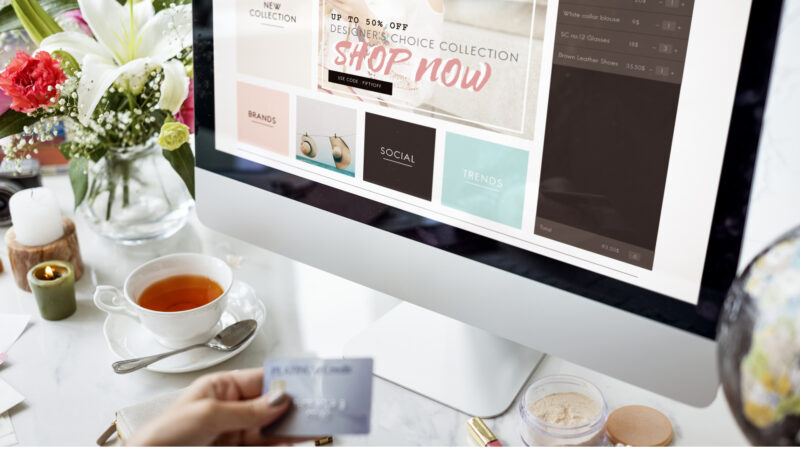
Shopping Commercial Online Internet Concept
Factors That Determine the Cost of Paid Search. In this blog post, we’ll walk you through 10 crucial factors that determine how much you’ll need to invest in your pay-per-click advertising. From keyword competition and ad quality to targeting options and industry trends, get ready to uncover the hidden gems that will revolutionize your PPC strategy.
What is paid search?
Paid search is an online advertising model where advertisers can display their ads on search engine results pages (SERPs). Advertisers can bid on keywords relevant to their business and pay when users click their ad. Paid search is a great way to drive targeted traffic to your website and generate leads or sales.
As the world of digital marketing evolves, so does the landscape of paid search. To keep up with the ever-changing cost of paid search, you must first understand the factors that influence it. Here are some of the most crucial factors that determine the cost of paid search:
1) The type of keyword: Broad-match keywords tend to be less expensive than more specific, long-tail keywords because broad-match keywords are less targeted and have a lower click-through rate (CTR).
2) The competition: If you’re in a highly competitive industry, you can expect to pay more for your keywords than in a less competitive industry because businesses in competitive industries are willing to pay more per click to see their ads seen by potential customers.
3) The location: The cost of paid search also varies depending on where your target audience is located. For example, keywords with a national reach will typically be more expensive than keywords with a local reach.
4) The time of year: Seasonality can also affect the cost of paid search. Keywords related to seasonal events or holidays will usually be more expensive during those times.
Remember these factors when budgeting for your next paid search campaign, and you’ll be on your way to understanding the true cost of paid search.
Bidding Strategy
Businesses have different budgets for paid searches, so they must bid strategies aligning with their overall goals and budget. There are four main types of bidding strategies: manual bidding, automated bidding, target CPA, and target ROAS.
Manual Bidding: With manual bidding, businesses set their own bids for each keyword which can be time-consuming, but it gives businesses more control over their campaigns.
Automated Bidding: Automated bidding takes the guesswork out of setting bids by automatically adjusting them based on factors like competition and click-through rate (CTR). It is a system that can save businesses time, but they’ll need to set parameters to ensure the automated system is working as intended.
Target CPA: Target CPA bidding sets bids to help get as many conversions as possible at the desired cost-per-acquisition (CPA). This option requires businesses to set up conversion tracking so the system can optimize bids accordingly.
Target ROAS: Target ROAS bidding sets bids to help get as much revenue as possible at the desired return-on-ad-spend (ROAS). Like target CPA, this option also requires businesses to have conversion tracking set up.
The type of business, budget, goals, and other factors will all play a role in determining the best bid strategy type. Paid search experts can help identify the best strategy for a
 Targeting Strategies
A number of factors go into setting the cost of paid search, but one of the most important is targeting. The more specific and focused your targeting, the higher your costs will be. That’s because you’re paying for each click, and clicks from people not interested in your product or service are wasted money.
To get the most out of your paid search budget, you need to focus on three things:
- Keywords: Choose keywords relevant to your product or service that potential customers are likely to use when searching for what you offer. Broad, general keywords will result in a lot of unqualified traffic and wasted spend.
- Audience: Who is your target customer? What demographics are you targeting? The more specific you can be about who you want to reach, the better.
- Message: What’s the purpose of your ad? What do you want potential customers to do when they see it? Your message should be clear and direct and match the keywords and audience you’ve selected.
Quality Score
The quality score of a paid search ad is determined by many factors, including the ad’s relevance to the keywords being searched for, the ad’s click-through rate (CTR), and the Landing Page Experience. Each factor is scored on a scale of 1 to 10, with 10 being the highest possible score. The quality score for an ad is then determined by taking an average of these three scores.
A high-quality score is important because it can help lower an ad’s cost per click (CPC) and improve its position on the search engine results page (SERP). A low-quality score, on the other hand, can result in a higher CPC and a lower position on the SERP.
There are a few things that you can do to improve your quality score, such as making sure that your ads are relevant to the keywords that you are targeting and creating compelling ad copy that encourages users to click through to your website. You should also ensure that your landing pages are relevant to your ads and offer a good user experience.
Keyword Types
There are a few different types of keywords that can be used in paid search campaigns:
Broad match keywords are the most common and are what you typically think of when you keyword research. They are simply a list of words with no particular order that you want your ad to show up for.
Phrase match keywords are more specific than broad match and include quotation marks around the phrase. Your ad will only appear for searches that include that exact phrase, in that order.
Exact match keywords are the most specific, and as you might expect, your ad will only show up for searches that include that exact keyword, in that exact order.
Negative keywords are words or phrases you don’t want your ad to appear for. This is important because it ensures your ad is relevant to the searcher and helps improve your quality score, which we’ll discuss next.
 Seasonal Trends
As the seasons change, so do the trends in paid search. Seasonal trends that can impact your campaigns. Here are a few seasonal trends to keep in mind:
- More people are searching on mobile devices during the summer months. Make sure your campaigns are optimized for mobile devices!
- People are more likely to click on ads that are relevant to their current location and weather conditions. Target your ads accordingly!
- The cost-per-click (CPC) for popular keywords increases during summer as competition heats up. Plan your budget accordingly and consider bidding on long-tail keywords to save money.
- Summer is a popular time for travel, so consider creating ads specifically targeting people planning a trip. Include relevant keywords like “holiday” or “destination” in your ad copy.
Ad Copy
Ad copy is one of the most essential factors in determining the cost of paid search. The quality and relevance of your ad copy will determine how much you pay per click and how often your ads are clicked.
To ensure that your ad copy is high quality and relevant, you should target key phrases relevant to your product or service. It would help if you also used negative keywords to exclude terms that are not relevant to your product or service.
In addition, you should make sure that your ad copy is clear and concise. The more information you include in your ad, the more likely potential customers will click on it. However, if your ad is too long or contains too much information, people may not bother reading it all and will move on to another ad.
You should always test different versions of your ad copy to see which ones perform the best. A/B testing can help you determine which headlines, descriptions, and call-to-actions are most effective in getting people to click on your ads.
Campaign Structure
There are a lot of factors that play into how much your campaign will cost. How you structure your campaign plays a big part. Here are some things to consider when structuring your paid search campaign:
-Your goals: What do you want to achieve with your campaign? More brand awareness? More sales? More leads? Your goals will determine what kind of campaigns you run and how much you’re willing to spend.
-Your target audience: Who are you trying to reach with your campaign? Age, gender, location, interests? The more specific you can be with your target audience, the better your chances of reaching them and the lower your costs will be.
-Your keywords: What terms or phrases are people searching for that you want to show up for? Keywords can be broad or very specific. The more specific your keywords are, the higher your quality score will be, which means lower costs per click. But if you’re targeting a very competitive keyword, it will cost more, no matter what.
-Your ad copy: Your ads must be relevant and persuasive to get clicked on. You must test different headlines and descriptions to see what works best. Ad copywriting is an art and a science, so expect to put some time and effort into this part of your campaign.
Platform Differences
Paid search platforms are very different from one another. To get an accurate estimate of the cost of paid search, you need to understand how each platform works.
The three most popular paid search platforms are Google Ads, Microsoft Advertising, and Amazon Advertising. Each platform has its unique pricing model and features.
Google Ads is the most popular paid search platform in the world. It offers a wide range of features and options for advertisers. Google Ads uses a pay-per-click (PPC) pricing model, which means you only pay when someone clicks on your ad.
Microsoft Advertising is the second largest paid search platform. It offers a variety of features and options for advertisers. Microsoft Advertising uses a cost-per-impression (CPM) pricing model, which means you pay based on the number of times your ad is shown.
Amazon Advertising is the third largest paid search platform. It offers a variety of features and options for advertisers. Amazon Advertising uses a cost-per-click (CPC) pricing model, which means you only pay when someone clicks on your ad.
 Competition Level
Generally speaking, the more competitive a keyword is, the more expensive it will be. This is because businesses are willing to pay more to bid on keywords likely to result in conversions.
You can use tools like Google AdWords Keyword Planner and SEMrush to get an idea of how competitive a keyword is. These tools will show how many businesses are bidding on a particular keyword and how much they spend. This information lets you determine whether a keyword is worth bidding on.
Conclusion
Paid search advertising can effectively reach potential customers, but it’s vital to understand the factors that influence the cost of running these campaigns. By understanding what affects the cost of your paid search campaigns and how you can use them to your advantage, you can manage your budget more effectively and maximize your return on investment without breaking the bank.
Further Reading
The Importance of Pay Per Click Analytics
Need help turning this advice into action?
If you are reviewing your website, marketing or online visibility, we can help you work out what to improve first.
Related articles
 Paid Advertising
Should You Bid on Your Own Business Name?
Should you bid on your own business name? If somebody types your company name into Google, you have already done the difficult bit. They…
Read article
Paid Advertising
Should You Bid on Your Own Business Name?
Should you bid on your own business name? If somebody types your company name into Google, you have already done the difficult bit. They…
Read article
 SEO
How to Get Your Website to the Front of the Crowd
Creating a website today without SEO, social media, or any marketing at all is a bit like standing at the back of the O2…
Read article
SEO
How to Get Your Website to the Front of the Crowd
Creating a website today without SEO, social media, or any marketing at all is a bit like standing at the back of the O2…
Read article
 Paid Advertising
10 Places to Find Pay-Per-Click Keywords
Finding the right pay-per-click (PPC) keywords is essential for creating successful PPC campaigns. The effectiveness of your ads depends largely on selecting keywords that…
Read article
Paid Advertising
10 Places to Find Pay-Per-Click Keywords
Finding the right pay-per-click (PPC) keywords is essential for creating successful PPC campaigns. The effectiveness of your ads depends largely on selecting keywords that…
Read article
 VideoandWeb.com