Why, if Your Company Has a Website, is Your Brand Global?

Why, if your company has a website, is your brand global? In today’s interconnected world, establishing an online presence through a website inherently positions your brand on a global platform.
The internet’s borderless nature allows businesses, regardless of size or location, to reach audiences far beyond their immediate geographic confines. This global exposure brings opportunities and challenges, necessitating a strategic approach to domain selection, brand identity, and online marketing to ensure success in the international marketplace.
The Evolution of Top-Level Domains (TLDs)
The internet’s domain name system has undergone significant evolution since its inception. Initially, a limited set of generic top-level domains (gTLDs) were introduced, each serving a specific purpose:
• .com: Intended for commercial entities.
• .org: Designated for non-profit organisations.
• .net: Aimed at network providers and infrastructure.
• .gov: Reserved exclusively for U.S. government entities.
As the internet expanded globally, the need for country-specific domains became apparent, creating country code top-level domains (ccTLDs) such as .co.uk for the United Kingdom, .fr for France, and .de for Germany. These ccTLDs allowed businesses to establish a localised online presence, fostering trust among regional audiences.
In recent years, the introduction of numerous new gTLDs has provided businesses with a plethora of options, including industry-specific domains like .tech, .shop, and .design. Despite this diversification, traditional domains like .com and .co.uk have maintained their prominence and trustworthiness among consumers.
Trustworthiness of .com and .co.uk Domains
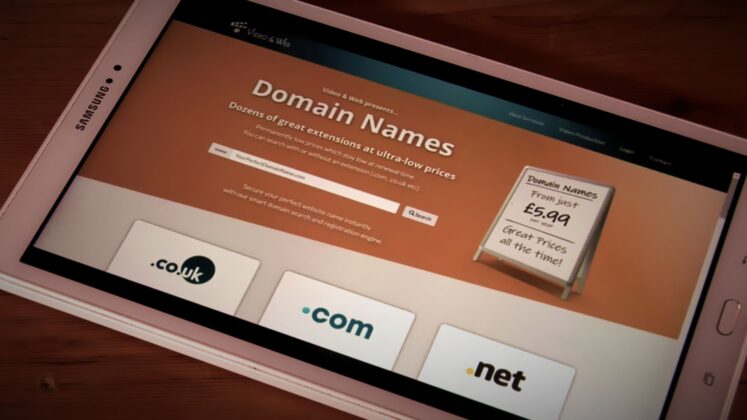
In the United Kingdom, .co.uk and .com domains are perceived as the most trustworthy by consumers. A 2023 survey by Nominet, the official registry for .uk domain names, revealed that 81% of U.K. consumers prefer websites with a .co.uk domain when shopping online, associating them with local businesses and greater reliability. Similarly, .com domains are recognised globally and are trusted due to their widespread use by established brands.
Conversely, newer gTLDs have not yet achieved the same level of consumer trust. The same Nominet survey indicated that only 3% of U.K. consumers would choose to shop on a website with a less familiar gTLD, expressing concerns over security and legitimacy. This data underscores the importance of selecting a domain that resonates with your target audience’s trust perceptions.
The Importance of Securing Multiple Domain Variations
Owning both the .com and .co.uk versions of your domain name is crucial for several reasons:
1. Preventing Customer Confusion: Customers may instinctively try both domain variations when searching for your website. If one is unavailable or leads to a different site, it can cause confusion and potential loss of business.
2. Protecting Brand Integrity: Failing to secure both domains leaves room for competitors, scammers, or even inappropriate content providers to register the alternative version, potentially harming your brand’s reputation.
3. Avoiding Legal Complications: Not owning all relevant domain variations can lead to legal disputes, especially if another entity registers a similar domain and claims infringement.
A notable example highlighting the importance of domain diligence involves Mattel, the toy manufacturer. In 2024, Mattel released a doll based on the character Elphaba from the musical “Wicked.” However, due to an oversight, the packaging listed the website as “wicked.com” instead of the intended “wickedmovie.com.” Unfortunately, “wicked.com” was an adult entertainment site, leading to significant embarrassment and potential financial repercussions for Mattel. This incident underscores the necessity of thorough domain verification to safeguard brand image.
Ensuring Distinctive Branding to Avoid Legal Disputes
Beyond domain names, establishing a unique brand identity is essential to avoid legal conflicts. Companies like EasyGroup, known for brands such as EasyJet, are vigilant in protecting their trademarks. They have a history of pursuing legal action against businesses that incorporate the word “easy” into their names, regardless of industry. This aggressive intellectual property protection is a cautionary tale for companies to conduct comprehensive trademark searches and ensure their branding does not infringe on existing trademarks.
The Role of Social Media in Global Branding
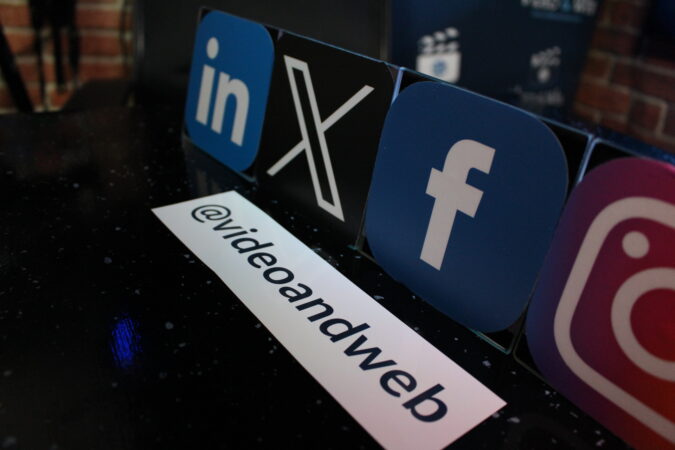
Social media platforms are integral to a brand’s global presence in the digital age. Securing consistent and unique social media handles across platforms is vital to maintaining brand cohesion and preventing impersonation. Before finalising a brand name or domain, checking the availability of corresponding social media handles to ensure a unified online identity is prudent.
Some businesses operate exclusively through social media, bypassing traditional websites. In such cases, unique and recognisable handles become even more critical, as these platforms serve as the primary touchpoints for customer engagement.
Navigating the Global Online Marketplace
Recognising that a website places your brand on a global stage is the first step in navigating the complexities of the online marketplace. This international exposure necessitates a strategic approach to domain selection, brand identity, and online marketing. Businesses can build consumer trust and establish a solid global presence by securing trusted domain names, ensuring distinctive branding, and maintaining consistent social media identities.
In conclusion, the digital landscape offers unprecedented opportunities for businesses to reach global audiences. However, with this opportunity comes the responsibility of managing your online presence diligently. Your company can thrive in the global marketplace by understanding the importance of domain trustworthiness, protecting your brand identity, and leveraging social media effectively.
Summary
• Establishing a website positions your brand on a global platform, accessible to audiences worldwide.
• Traditional domains like .com and .co.uk are perceived as more trustworthy by U.K. consumers compared to newer gTLDs.
• Securing both .com and .co.uk domains prevents customer confusion, protects brand integrity, and avoids potential legal issues.
• Ensuring distinctive branding and conducting comprehensive trademark searches help avoid legal disputes.
Further Reading
Choosing The Right Domain Name
What Is A Subdomain, And How Do You Use It?
Need help turning this advice into action?
If you are reviewing your website, marketing or online visibility, we can help you work out what to improve first.
Related articles
 Content
How to Explain Complicated Services Simply
If it takes ten minutes to explain what your business does, you may have already lost the customer. Just because you know your profession…
Read article
Content
How to Explain Complicated Services Simply
If it takes ten minutes to explain what your business does, you may have already lost the customer. Just because you know your profession…
Read article
 Content
Why the Same Message Needs to Be Told in Different Ways
There is a quiet myth in business that repeating yourself looks unprofessional. We explore why the same message needs to be told in different…
Read article
Content
Why the Same Message Needs to Be Told in Different Ways
There is a quiet myth in business that repeating yourself looks unprofessional. We explore why the same message needs to be told in different…
Read article
 SEO
How to Get Your Website to the Front of the Crowd
Creating a website today without SEO, social media, or any marketing at all is a bit like standing at the back of the O2…
Read article
SEO
How to Get Your Website to the Front of the Crowd
Creating a website today without SEO, social media, or any marketing at all is a bit like standing at the back of the O2…
Read article
 VideoandWeb.com