What Standard Pages Make a Website?
 In the digital age, a website is more than just a virtual business card—it’s the public face of your brand, a shop window, and, often, the first point of contact with potential customers. Yet, beneath the surface of those glossy images and clickable buttons lies a carefully considered architecture of standard pages.
Much like a well-written novel or a thoughtfully designed home, the structure of a website relies on including the correct elements in the right place. You wouldn’t build a house without walls or a roof; the same principle applies to a website. Some pages are essential—without them, the entire structure collapses. Others are optional but can enhance the visitor’s experience, while some are legal necessities. Whether you’re crafting a minimalist portfolio or a sprawling e-commerce empire, understanding what standard pages make a website is crucial. Let’s take a closer look at the foundational pages every website needs and consider some optional extras that can take your site from good to great.
Essential Elements
Homepage: The Front Door to Your Website
Imagine walking down a bustling high street, gazing into shop windows. What draws you in? A cluttered, confusing display will likely turn you away, while a well-curated window invites you inside. Your homepage functions like that shop window, offering visitors a first impression of your business. It’s your chance to communicate, in a matter of seconds, what your company does and why it matters.
Craft a clear and concise message, ensure that navigation is intuitive, and use strong calls to action, like ‘Shop Now’ or ‘Learn More.’ The homepage is also a great place to feature promotions, highlight recent blog posts, or introduce the visitor to your brand ethos. In today’s mobile-first world, ensuring the page is fully responsive on all devices is essential.
About Us / Meet the Team: Your Story, Their Trust
Trust is essential; consumers place a high value on authenticity and transparency. The ‘About Us’ page allows you to provide just that, a peek behind the curtain. People don’t only buy products or services; they buy into people, stories, and values. Use this page to share your company’s history, mission, and ethos. Personal anecdotes and the faces behind the business can add a genuine touch to smaller companies.

If you’re a larger organisation, the ‘Meet the Team’ section can help humanise the business, putting faces to names and showing that there’s a real team of people driving the brand forward.
Services or Products: What Do You Offer?
This page is the nuts and bolts of your website; it’s where you tell your visitors exactly what you do. Whether you provide legal advice, cater events, or sell eco-friendly beauty products, a well-organised and detailed ‘Services’ or ‘Products’ page is essential. Clarity is key: make it as easy as possible for customers to understand what you offer, how it benefits them, and, most importantly, how they can access it.
For businesses with an extensive product catalogue or a wide range of services, consider breaking this section into sub-pages. Include high-quality images, detailed descriptions, clear pricing, and strong calls to action that guide visitors toward booking a service or making a purchase.
Contact Page: Make a Connection!
However seamless your website’s design, visitors still expect a straightforward way to contact you. A well-designed ‘Contact’ page should be clear, concise, and accessible. Include all relevant information, such as phone numbers, email addresses, and, if applicable, your physical location. Offering multiple contact options, like a simple web form or live chat, can also increase the likelihood of customer engagement.
And let’s not forget about something as simple as opening hours. Consumers appreciate clear communication, so if you have specific operating hours, make sure they’re prominently displayed.
 Privacy Policy and Ethical Policy
In an age where data protection is a serious concern, particularly with GDPR, a transparent privacy policy is non-negotiable. This page should explain how your website collects, stores, and uses customer data, particularly if you rely on email marketing, cookies, or other tracking tools.
An ethical policy is also an increasingly powerful addition, especially in today’s socially conscious market. Highlight your company’s commitment to sustainability, fair trade, or social responsibility, and you’ll likely win ethically-minded consumers’ respect and business.
Cookie Policy
With the rise of GDPR, cookie policies have become a familiar part of web browsing. If your website uses cookies to track user data or improve site functionality, you must outline this in a cookie policy. Ensure that it’s written in plain, easy-to-understand language, and offer visitors the option to customise their cookie settings.

Optional Pages
Blog or News: Fresh Content, Fresh Interest
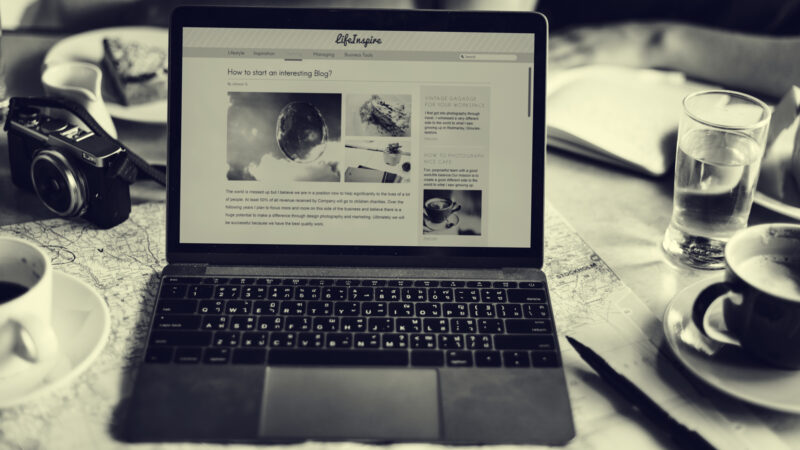
While not essential, a regularly updated blog or news section can do wonders for a website’s visibility and search engine ranking. A well-written blog demonstrates industry expertise, builds authority, and helps keep your site fresh with new content.
Tailoring your content to local interests or trends can further engage your audience. Whether it’s offering seasonal tips, discussing industry events, or sharing insights, a blog provides endless opportunities to connect with your customers on a more personal level.
Testimonials or Customer Reviews: Social Proof
Reputation and trustworthiness are often make-or-break factors. A dedicated page for customer testimonials or reviews can significantly enhance credibility. Highlighting positive feedback from previous customers shows potential clients that your products or services are tried and tested. Real names, detailed testimonials, and even photos of the reviewers (with their consent) can add further legitimacy.
Locations or Areas We Serve
A ‘Locations’ or ‘Areas We Serve’ page is invaluable for service-based businesses or those with physical locations. Whether you’re running a local bakery or a nationwide delivery service, letting customers know where you operate helps them understand if your services are accessible to them. A map tool or location-specific offers can also enhance the user experience.
Shop: A Must for E-commerce
To sell products online, you must make the transaction as streamlined as possible. So aim for a sleek, easy-to-navigate shop page. Consumers are tech-savvy and expect a smooth online shopping experience. Ensure your site has high-quality product images, clear descriptions, and easy access to payment methods. Including reviews or ratings alongside products also helps to build trust.

Other Considerations
Get Help / Frequently Asked Questions (FAQs)
An FAQ page or ‘Get Help’ section can dramatically reduce customer inquiries by answering common questions upfront. It is especially useful for e-commerce sites or service-based businesses. Customers value clarity and efficiency, so a well-structured FAQ page helps streamline the user experience while minimising frustration.
Donate: For Charities and Non-Profits
A well-designed donation page is paramount for non-profit organisations or charities. Donors expect transparency and security when making financial contributions. Highlighting how donations are used and providing simple, secure payment options will foster trust and encourage giving.
 Events Calendar: Keep Your Audience Engaged
An events calendar is a helpful addition for businesses or organisations that host regular events, whether they are charity fundraisers, workshops, or industry conferences. Providing up-to-date event information helps keep your audience engaged and increases the likelihood of participation. Besides releasing regular blogs, an up-to-date calendar is another way to let browsers know your website is current and not just a brochure site.
Login: For Members and Accounts
A login page is essential for sites offering memberships, subscriptions, or e-commerce accounts. It should be secure, easy to access, and intuitive. Customers value simplicity, so ensure they can manage their accounts, view order histories, or update their information without difficulty.
 Conclusion: Crafting a Comprehensive Web Experience
In the end, building an effective website is about balance. You create a solid foundation that communicates trust, clarity, and professionalism by including the essential pages. Optional pages, like blogs, testimonials, and events calendars, add value and depth, helping you stand out from competitors. And with proper attention to privacy, cookie, and ethical policies, you align yourself with the expectations of a conscientious audience.
The key takeaway? A website is not just a series of pages; it’s a living, breathing entity that should evolve with your business and your audience’s needs. Keep it current, keep it clean, and above all, keep it user-focused.
Further Reading
How Interactive Website Content Can Increase Engagement
Five Ways to Generate Content Without Writing a Word
Need help turning this advice into action?
If you are reviewing your website, marketing or online visibility, we can help you work out what to improve first.
Related articles
 Content
Traffic Magnets That Keep Visitors Coming Back
Getting people to visit your website is one challenge. Giving them a reason to stay, discover your business and come back is another. We…
Read article
Content
Traffic Magnets That Keep Visitors Coming Back
Getting people to visit your website is one challenge. Giving them a reason to stay, discover your business and come back is another. We…
Read article
 Content
How to Explain Complicated Services Simply
If it takes ten minutes to explain what your business does, you may have already lost the customer. Just because you know your profession…
Read article
Content
How to Explain Complicated Services Simply
If it takes ten minutes to explain what your business does, you may have already lost the customer. Just because you know your profession…
Read article
 Content
Do UK Businesses Have to Label AI-Generated Content?
The biggest tool to level the business playing field for years is about to be outed. More of our writing donkey work now goes…
Read article
Content
Do UK Businesses Have to Label AI-Generated Content?
The biggest tool to level the business playing field for years is about to be outed. More of our writing donkey work now goes…
Read article
 VideoandWeb.com