Visual Storytelling Secrets, Crafting a Consistent Brand Image
 Visual storytelling secrets, crafting a consistent brand image. In today’s digital age, where attention spans are shorter than ever, and content is constantly evolving, it has become crucial for brands to create a consistent image that captures their audience’s attention and resonates with them on a deeper level.
So, how can you craft a brand identity that stands out amidst the noise? In this blog we explore the secrets of visual storytelling, providing you with valuable insights and practical tips on building a strong and compelling brand image that will leave an everlasting impact.
What is Visual Storytelling?
Visual storytelling is the art of using images to tell a story. It is an essential tool for businesses and organizations to create a consistent brand image that resonates with their audience.
There are many elements to consider when crafting a visual story, such as the type of images used, the order in which they are presented, and the story’s overall tone. Consider all of these elements carefully to create a cohesive and compelling story.
When done well, visual storytelling can be an incredibly powerful way to connect with an audience and communicate a message. It can help businesses and organizations stand out, build trust with their customers, and drive sales.
Tip #1: Know Your Audience & Identify Your Brand Voice
Your audience and your brand voice are two of the most important aspects to consider when creating any kind of content. Without knowing who you’re talking to, it’s impossible to speak directly to them in a way that resonates. The same goes for your brand voice – if you don’t have a consistent voice across all of your content, it will be difficult for people to connect with your brand.
Here are a few tips to help you get started:
1. Know Your Audience & Identify Your Brand Voice
2. Use Visual Elements To Tell Your Story
3. Keep It Simple & On-Brand
4. Be Consistent With Your Messaging
5. Test & Iterate
Tip #2: Develop a Consistent Colour Palette
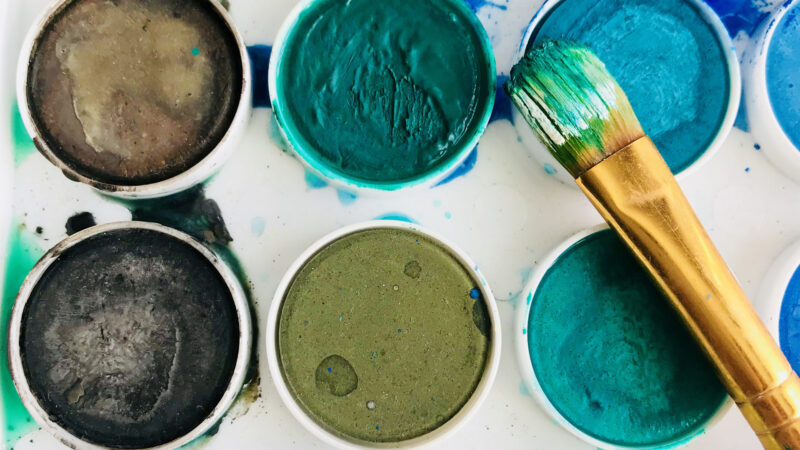
A consistent colour palette is an integral part of any visual branding strategy. It helps create a cohesive look and feel for your brand and can communicate specific messages to your target audience.
When choosing a colour palette for your brand, consider the psychological effects of colours and the practicality of using them in your marketing materials. For example, red is often associated with energy and excitement, while blue is often seen as calming and trustworthy.
Once you’ve selected a few colours that you feel represent your brand well, stick to them! Use them consistently across all your marketing materials, from your website to your business cards to your social media posts. Joining your colour consistency will help people recognize and remember your brand quickly.
 Tip #3: Utilize Typography & Fonts
One of the most important aspects of crafting a consistent brand image is utilizing typography and fonts that align with your overall aesthetic. Your font choice can say a lot about your brand, so it’s important to choose one that is legible and reflects your company’s personality. For example, a more playful brand might opt for a sans-serif font, while a more traditional brand might choose a serif font.

In addition to choosing the right font, try to use typography excitingly and engagingly. Consider using different font sizes or weights to add visual interest to your content or quote marks or other symbols to emphasize key points. By getting creative with your typography, you can make your content more visually appealing and ensure that your brand stands out from the competition.
Tip #4: Use Quality Photography & Video
High-quality photography and video are essential for creating a consistent brand image that resonates with your audience. Here are some tips for using quality visuals to tell your brand story:
1. Use high-resolution images that are clear and well-lit. Poorly lit or blurry photos will not convey the professionalism of your brand.
2. Avoid using stock photos whenever possible. Instead, use original photos that capture the unique essence of your brand.
3. Make sure your visuals are cohesive and tell a coherent story. Your visuals should work together to create a unified message about your brand.
4. Pay attention to the details in your visuals. Small details can greatly impact the overall look and feel of your brand identity.
5. Invest in professional photography and videography services to ensure your visuals are of the highest quality possible. It will pay off in the long run, as high-quality visuals will help you attract and retain customers
Tip #5: Leverage the Power of Illustrations & Symbols
People are more likely to remember what they see than what they read, so crafting a visual brand image that resonates with your audience is essential.
One way to do this is to leverage the power of illustrations and symbols. Illustrations can be used to tell your brand story creatively and engagingly, while symbols can help instantly communicate what your brand is all about.
When used together, illustrations and symbols can be powerful tools for building a consistent brand image. So if you want to take your visual storytelling to the next level, consider using these two elements as part of your strategy.
 Tip #6: Take Advantage of Digital Tools for Visual Storytelling
Digital tools have made creating visual content that tells a story easier. Here are some tips for taking advantage of these tools:
1. Use high-quality images. Whether you’re using stock photos or original photos, make sure they’re high-resolution and look professional.
2. Utilize video content. Videos are a great way to showcase your products or services in action, tell a story, or provide an inside look at your brand.
3. Create infographics. Infographics are a fun and effective way to communicate complex information in a visually appealing way.
4. Design engaging social media posts. You can make your social media posts stand out and grab attention with the right visuals.
5. Invest in quality design assets. If you want your visuals to really pop, invest in quality design assets like fonts, graphics, and templates.
Further Reading
Are Your Branding Colours Delivering the Right Message?
Need help turning this advice into action?
If you are reviewing your website, marketing or online visibility, we can help you work out what to improve first.
Related articles
 Content
How to Explain Complicated Services Simply
If it takes ten minutes to explain what your business does, you may have already lost the customer. Just because you know your profession…
Read article
Content
How to Explain Complicated Services Simply
If it takes ten minutes to explain what your business does, you may have already lost the customer. Just because you know your profession…
Read article
 SEO
Why Sounding Human Again May Be the Future of SEO
Why sounding human again may be the future of SEO. Discover why authentic content, Geo Marketing, and real expertise matter more than ever in…
Read article
SEO
Why Sounding Human Again May Be the Future of SEO
Why sounding human again may be the future of SEO. Discover why authentic content, Geo Marketing, and real expertise matter more than ever in…
Read article
 Content
Why the Same Message Needs to Be Told in Different Ways
There is a quiet myth in business that repeating yourself looks unprofessional. We explore why the same message needs to be told in different…
Read article
Content
Why the Same Message Needs to Be Told in Different Ways
There is a quiet myth in business that repeating yourself looks unprofessional. We explore why the same message needs to be told in different…
Read article
 VideoandWeb.com