Understanding the UK GDPR in 2023 and 2024
 Understanding the UK GDPR in 2023 and 2024. The General Data Protection Regulation (GDPR) has been a buzzword for years. This comprehensive guide will break down everything you need to know about the UK GDPR specifically tailored for small businesses.
Introduction to UK GDPR
The UK General Data Protection Regulation (UK GDPR) is a comprehensive set of laws and regulations that govern the collection, use, and processing of personal data in the United Kingdom. It was introduced to protect individuals’ personal data rights and create a more transparent and secure environment for businesses to operate in.
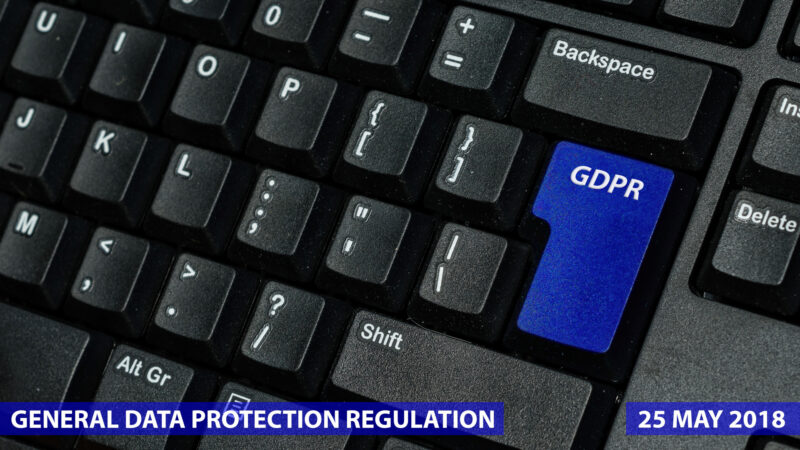
The UK GDPR is closely aligned with the European Union’s General Data Protection Regulation (GDPR) was enacted on May 25th, 2018. However, after Brexit, the UK government made some changes and amendments to create its own version of the GDPR. It means that all businesses operating within the UK must comply with both sets of regulations.
The main purpose of the UK GDPR is to give control back to individuals over their personal data. Personal data includes any information that can be used to identify an individual, such as name, email address, phone number, IP address, etc. The regulation requires businesses to obtain explicit consent from individuals before collecting or processing their data. Businesses must clearly explain why they need someone’s data and how they will use it before obtaining consent.
Another key aspect of the UK GDPR is transparency. Businesses must be clear and open about how they collect and use personal data, which includes providing detailed privacy notices that outline what type of personal data is being collected, where it will be stored, who will have access to it, and for what purposes it will be used.
In addition to these requirements, the UK GDPR gives individuals certain rights over their personal data, including accessing, correcting, and deleting their data. It also requires businesses to have processes to respond to data breaches and notify the relevant authorities within a specific timeframe.
Overall, the UK GDPR is designed to create a more secure and transparent environment for handling personal data. By complying with these regulations, businesses can build trust with their customers and avoid costly penalties for non-compliance.
Key Principles of GDPR
There are several key principles outlined in GDPR that businesses must adhere to when collecting and processing personal data:
a) Lawfulness, fairness and transparency: This principle requires organisations to have a valid legal basis for collecting personal data from individuals and be transparent about how their data will be used.
b) Purpose limitation: Organisations should only collect personal data for specific purposes clearly defined and communicated to individuals.
c) Data minimisation: The amount of personal data collected should be limited to what is necessary for the intended purpose.
d) Accuracy: Organisations are responsible for ensuring that the personal data they
How is it different in the UK?
The General Data Protection Regulation (GDPR) is a comprehensive data protection law that the European Union implemented in May 2018. This regulation aims to protect the personal data of EU citizens and give them more control over how their information is collected, used, and stored by businesses. While GDPR applies to all companies that process the personal data of EU citizens, there are some key differences in how it is enforced in different countries.
1. Scope and Applicability
The UK GDPR applies to all organisations operating within the United Kingdom and those outside of the UK that offer goods or services to individuals in the UK. It means that even if your small business is based outside the UK but has customers from this country, you will still need to comply with UK GDPR.
2. Regulatory Authority
In the rest of Europe, GDPR is enforced by each member state’s respective Data Protection Authority (DPA). However, in the UK, it falls under the jurisdiction of the Information Commissioner’s Office (ICO). The ICO oversees compliance with UK GDPR and other data protection laws such as Privacy and Electronic Communications Regulations (PECR).
3. Data Protection Officer
Under GDPR, certain organisations must appoint a Data Protection Officer (DPO) who acts as an independent advisor on data protection matters. In most EU countries, this requirement applies to all public authorities and any organisation whose core activities involve regular or systematic monitoring or large-scale processing of sensitive information.
Why is it important for small businesses?
The General Data Protection Regulation (GDPR) is a set of data protection regulations implemented by the European Union in 2018. The UK GDPR, based on the EU GDPR, applies to all businesses operating within the United Kingdom regardless of their size. It means that even small businesses with limited resources and budgets must comply with this regulation.
This section will discuss why small businesses must understand and comply with the UK GDPR.
1. Protecting customer data is essential for building trust
One of the main reasons why complying with the UK GDPR is important for small businesses is because it helps build customer trust. With cyber threats and data breaches becoming increasingly common, customers are more concerned about how their personal information is being used and protected by businesses.
As a small business owner, gaining your customers’ trust should be a top priority as it can significantly impact your brand reputation and customer loyalty. By implementing measures to protect customer’s personal data in line with the UK GDPR, you demonstrate your commitment to safeguarding their privacy rights. It can give your customers peace of mind knowing that their information is safe, ultimately increasing trust and loyalty towards your business.
2. Avoid hefty fines and penalties
Non-compliance with the UK GDPR can result in severe consequences for small businesses. Under this regulation, companies found violating its requirements may face fines of up to €20 million or 4% of their annual global turnover (whichever
 Timeline of Changes for Small Businesses in 2023 and 2024
As a small business owner, staying updated on any changes and regulations that may impact your operations is crucial. The UK GDPR (General Data Protection Regulation) is one such regulation that has been in effect since 2018, setting strict rules for how businesses handle personal data. This section will provide an overview of the timeline of changes for small businesses in 2023 and 2024 under the UK GDPR.
1. Introduction of new AI guidelines: In early 2023, the ICO (Information Commissioner’s Office) is set to introduce new guidelines on using artificial intelligence (AI) in business processes. It includes guidance on ethical considerations, transparency, and explainability when using AI algorithms that process personal data. Small businesses that use AI technology must comply with these guidelines to avoid penalties.
2. Increased fines for non-compliance: From January 2023, there will be significant changes to the penalties imposed by the ICO for non-compliance with the UK GDPR. Currently, fines can reach up to £17 million or 4% of global turnover; however, from next year onwards, these fines could increase up to £18 million or even higher depending on the severity of the violation.
3. Mandatory data protection training: As part of their efforts to promote compliance with data protection regulations, the ICO is expected to make data protection training mandatory for all employees who handle personal data in an organisation, which includes small businesses who will also be required to invest
Steps for Compliance
1. Understand the Scope of UK GDPR: The first step towards compliance with the UK GDPR is to understand its scope and applicability to your business. The UK GDPR applies to all organisations, regardless of size, that process the personal data of individuals within the UK. It includes collecting, storing, using, or sharing any personal information such as names, addresses, contact information, financial details, etc.
2. Conduct a Data Audit: Once you have established that your business falls under the purview of UK GDPR, the next step is to conduct a thorough audit of all the personal data you collect and process. It includes identifying where and how this data is collected, stored, used and shared within your organisation. It is essential to clearly understand your data processing activities to comply with UK GDPR.

3. Determine Your Legal Basis for Processing Personal Data: Under the UK GDPR, there are six lawful bases on which an organisation can process personal data. These include consent from individuals or legitimate interests of the organisation, among others. It is crucial to determine which legal basis applies to each type of processing activity to ensure compliance with the regulation.
4. Implement Appropriate Security Measures: One of the key requirements under UK GDPR is ensuring adequate security measures are in place to protect personal data from unauthorised access or misuse. It includes implementing technical measures such as encryption and firewalls and organisational measures like staff training and regular security audits.
5. Create Privacy Policies and Notices: As per UK GDPR, organisations must be transparent and provide individuals with clear information about how their personal data is processed. This includes creating privacy policies and notices that clearly outline the purpose of data processing, the legal basis for processing, and any third parties with whom the data may be shared.
6. Establish Procedures for Data Breaches: In the event of a data breach, organisations must notify the UK Information Commissioner’s Office (ICO) within 72 hours of becoming aware of the breach. It is essential to have procedures in place to detect, report, and investigate any potential breaches to comply with this requirement.
7. Appoint a Data Protection Officer (DPO): Some organisations must appoint a DPO under UK GDPR if their core activities involve regular and systematic monitoring of individuals on a large scale or processing large amounts of sensitive personal data. Even if it is not mandatory for your organisation, having someone designated as a DPO who can oversee compliance with UK GDPR is recommended.
8. Train Employees: Compliance with UK GDPR requires the involvement and cooperation of all employees within an organisation. It is crucial to train all staff members on their responsibilities under the regulation, including handling personal data appropriately and responding to requests from individuals regarding
 Identifying Personal Data: What is considered personal data under UK GDPR?
Personal data refers to any information that can identify a living individual, directly or indirectly. It includes names, addresses, contact details, IP addresses, email addresses, photographs, financial information, medical records and even social media posts.
The UK General Data Protection Regulation (UK GDPR) defines personal data as “any information relating to an identified or identifiable natural person.” This definition is intentionally broad to encompass all types of data that could potentially identify an individual.
Small businesses need to understand the scope of personal data as it affects how they handle and process this information in accordance with the UK GDPR.
What is a DPIA?
A DPIA is a systematic process that helps businesses identify and minimise potential risks associated with processing personal data. It involves assessing the necessity, proportionality, and level of risk involved in handling personal data and implementing measures to mitigate these risks.
The Information Commissioner’s Office (ICO) defines a DPIA as “a process designed to help you systematically analyse, identify and minimise the data protection risks of a project or plan.”
When is a DPIA required?
According to the UK GDPR, businesses must conduct a DPIA for any processing activity likely to result in a high risk to individuals’ rights and freedoms. It includes but is not limited to:
- Processing sensitive personal data such as health information, race or ethnic origin, religious beliefs, etc.
- Systematic monitoring of publicly accessible areas on a large scale.
- Use of new technologies like facial recognition or biometric data.
- Large-scale profiling or automated decision-making activities.
- Processing involving children’s data.
In addition, if significant changes are made to an existing process that could increase the risk to individuals’ rights and freedoms, a DPIA should be conducted.
Common Misconceptions
The General Data Protection Regulation (GDPR) is a data protection law implemented in the European Union (EU) in 2018 and has since been incorporated into UK law as the UK GDPR. It aims to protect the personal data of individuals within the EU and UK, including their privacy rights and their right to control how organisations use their data.
However, despite being in effect for several years, many misconceptions exist surrounding the UK GDPR, particularly among small businesses. This section will address some of these common misconceptions and clarify what small businesses need to know about compliance with the UK GDPR.
1. Myth: The UK GDPR only applies to large corporations
One of the most common misconceptions about the UK GDPR is that it only applies to large corporations or multinational companies. This is not true – any organisation that processes the personal data of individuals within the EU or UK must comply with the regulation, regardless of its size or location.
Small businesses may mistakenly believe they are exempt from compliance because they do not have a significant amount of personal data or do not operate internationally. However, even collecting basic customer information such as names and email addresses falls under the scope of the UK GDPR.
2. Myth: Compliance with other laws means compliance with the UK GDPR
Another misconception is that if a business complies with other data protection laws, such as the Data Protection Act 1998 (DPA) in the UK or the Health Insurance Portability and Accountability Act (HIPAA) in the US, they automatically comply with the UK GDPR. While these laws may have some overlap, they have different requirements and standards for data protection.
The UK GDPR has stricter regulations for obtaining consent from individuals, notifying them of data breaches, and conducting data protection impact assessments. Therefore, businesses compliant with previous laws may still need to make changes to ensure compliance with the UK GDPR.
 3. Myth: Only online businesses need to comply with the UK GDPR
Many small businesses operating solely offline believe they do not need to comply with the UK GDPR because they do not collect personal data through websites or online platforms. However, any organisation that collects personal data from individuals within the EU or UK must comply with this regulation.
The law includes offline methods of collecting data, such as paper forms or customer loyalty programs. If a business holds personal information about its customers, employees, or suppliers, it must adhere to the principles of the UK GDPR.
4. Myth: Compliance is a one-time task
Complying with the UK GDPR is not a one-time task but an ongoing process. It requires businesses to continuously review and update their data protection policies and procedures to ensure they align with the regulation.
Organisations must also regularly train employees on data protection practices and conduct audits to assess compliance. Failure to maintain compliance can result in penalties and fines, so businesses must prioritise compliance.
5. Myth: Brexit means the UK GDPR no longer applies
After Brexit, many small businesses assumed the UK GDPR would no longer apply to them. However, the UK government has incorporated the regulation into UK law through the Data Protection Act 2018, so it will continue to be enforced in the country.
Moreover, if a business operates within the EU or processes the personal data of individuals within the EU, it must comply with the EU GDPR and the UK GDPR. It means that even after Brexit, businesses must still adhere to strict data protection regulations.
In conclusion, understanding and complying with the UK GDPR is crucial for all organisations that handle personal data within the EU or UK. Small businesses should not underestimate their obligations under this regulation and should take steps towards compliance to avoid penalties and protect their customers’ privacy rights.
Further Reading
UK Information Commissioner’s Office
Need help turning this advice into action?
If you are reviewing your website, marketing or online visibility, we can help you work out what to improve first.
Related articles
 Websites
The History of Online Shopping
Online shopping has evolved from a curious experiment into a force that shapes how people live, work and connect. Explore it's history in this…
Read article
Websites
The History of Online Shopping
Online shopping has evolved from a curious experiment into a force that shapes how people live, work and connect. Explore it's history in this…
Read article
 Websites
Why do All Websites Look the Same?
If you are a regular surfer of the World Wide Web, you may wonder why all websites look the same. In this article, we…
Read article
Websites
Why do All Websites Look the Same?
If you are a regular surfer of the World Wide Web, you may wonder why all websites look the same. In this article, we…
Read article
 Websites
How to Post on WordPress
WordPress is one of the most popular Content Management Systems (CMS) on the internet. This guide will walk you through the basic steps and…
Read article
Websites
How to Post on WordPress
WordPress is one of the most popular Content Management Systems (CMS) on the internet. This guide will walk you through the basic steps and…
Read article
 VideoandWeb.com