The History of Online Shopping
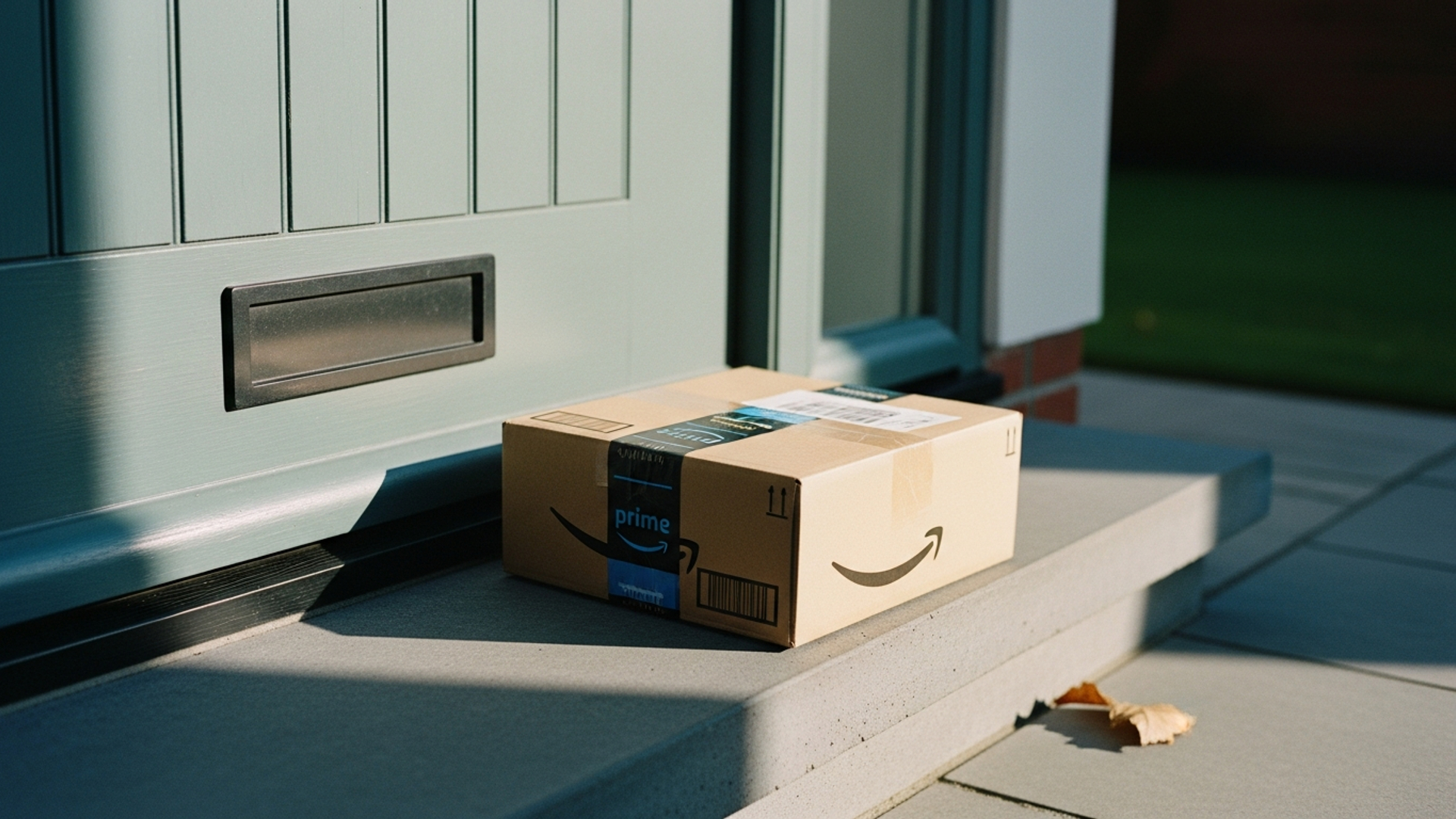
One minute you are sipping tea, the next a parcel is being plonked on your doorstep
Online shopping feels so ordinary today that most of us barely register the moment we place an order. One minute you are sipping tea, the next a parcel is being plonked on your doorstep (sometimes without so much as a knock on your door). Yet the story behind this easy routine is far stranger than people realise. The History of Online Shopping is a tale of television experiments, screeching modems, anxious payments, complicated certificates and those dreadful sliding credit card machines that made every shop assistant mutter a silent prayer. I remember those early years clearly, and looking back, it seems remarkable that any of us trusted the internet at all.
The Beginning
The journey began long before familiar websites appeared. In 1979, a British inventor called Michael Aldrich connected a television to a transaction computer through a phone line. His intention was simple. He wanted people to order groceries without leaving home. It sounded eccentric, but it worked. Tesco adopted the system, and in 1984, a grandmother in Gateshead ordered margarine, cornflakes and eggs with her television remote. She unknowingly became the first online shopper and laid the foundation for modern e-commerce.
The Internet Arrives in Living Rooms
The 1990s brought the internet into homes with the shrill cry of a dial-up modem. The sound startled pets and made my nanna question whether aliens had landed. Pages loaded slowly enough for you to stir your tea and still return before the content finished appearing. Even with those limitations, the internet sparked enormous curiosity.
People started buying rare records or unusual toys long before mainstream goods appeared online. Tesco Direct launched in 1997. Amazon and eBay arrived in 1999 with bold ambition. By 2005, half of the country had purchased at least one Christmas present online. The idea felt daring and new, yet people embraced it without hesitation.
The Early Payment Struggle
Shopping online looked exciting. Taking payments did not. Anyone who wanted to sell online needed an SSL certificate. The system encrypted card details during transmission, but left everything else in your hands. Once the encrypted numbers landed on your server, you had to decrypt them and store them securely in the office. Nothing sat in a cloud. Storage meant locked cabinets, restricted keys and a daily routine of shredding anything sensitive.
Gaining approval from the bank demanded interviews, paperwork and determination. When approval finally arrived, it felt like winning a contest. Processing the card payments required more effort. Many businesses dialled a bank authorisation line or typed numbers into a bulky countertop terminal. Online shopping relied on offline processes, and most of us pretended that this mixture made sense and was all very modern.

When sliding credit card imprint machines ruled the counter!
The Card Machine that Tested Everyone’s Faith
In physical shops, the situation did not look much better. Sliding credit card imprint machines ruled the counter. You placed the card inside, lined up the carbon paper, dragged the metal slider across, and hoped for the best. Every swipe risked a jam. Customers stared as if the machine might chew their card. Anyone who survived that era carries a shared trauma and a new appreciation for contactless payments.
The Missing Chapter Before PayPal
It might seem the world skipped straight from sliding machines to PayPal, but several important steps came first. Early payment gateways such as WorldPay, NetBanx, DataCash and SecPay allowed customers to leave your website temporarily and enter their details on a secure hosted page. It removed the need to store anything sensitive in your office. These gateways transformed online shopping, but they still came with quirky integrations and customer support that made even patient people sigh.
PayPal Changes Everything
PayPal arrived and altered the feel of online shopping. Customers trusted it. Merchants relaxed. Developers stopped worrying about fragile integrations. PayPal offered a familiar safe space between shoppers and small websites. It also provided a buyer protection policy, which brought trust into the process and encouraged many people to shop online for the first time.

The pandemic boosted online shopping exponentially!
The Great Leap into Everyday Life
The two thousands delivered rapid change. Amazon introduced Black Friday to the UK in 2010. By 2015, Britain had recorded its first billion-pound online shopping day. Then the pandemic appeared, and online shopping went through the roof! People purchased groceries, puzzles, office chairs, beauty products and enough inflatable pools to turn gardens into temporary water parks. Online retail grew from 3% of total sales in 2006 to 19% in early 2020. During lockdown, it climbed to 30 per cent.
Convenience That Reshaped Behaviour
Amazon played a significant role in shaping modern habits. Millions subscribed to Prime without hesitation. Entire Christmas shopping lists can now be completed in one sitting, and every gift can be delivered directly to the recipient’s door for free, often the very next day. Amazon even wraps the gifts, which feels strangely luxurious. Gone are the moments of inhaling sharply as the post office clerk places your heavy family parcel on the scales and announces that it will cost thirty pounds and arrive sometime after Christmas.
Grocery shopping changed just as dramatically. People add items to their Sainsbury’s basket between meetings and either collect them on the way home or enjoy doorstep delivery. Convenient grocery shopping further fuels the online market. Customers expect speed, and retailers continue to match those expectations. High Streets grow quieter while online services grow louder. Whether we have lost something by stepping away from the crowds, noise, and the occasional impulse buy at gadget and toy demonstrations is a discussion for another time. For now, the promise of saved hours and calmer schedules remains irresistible.
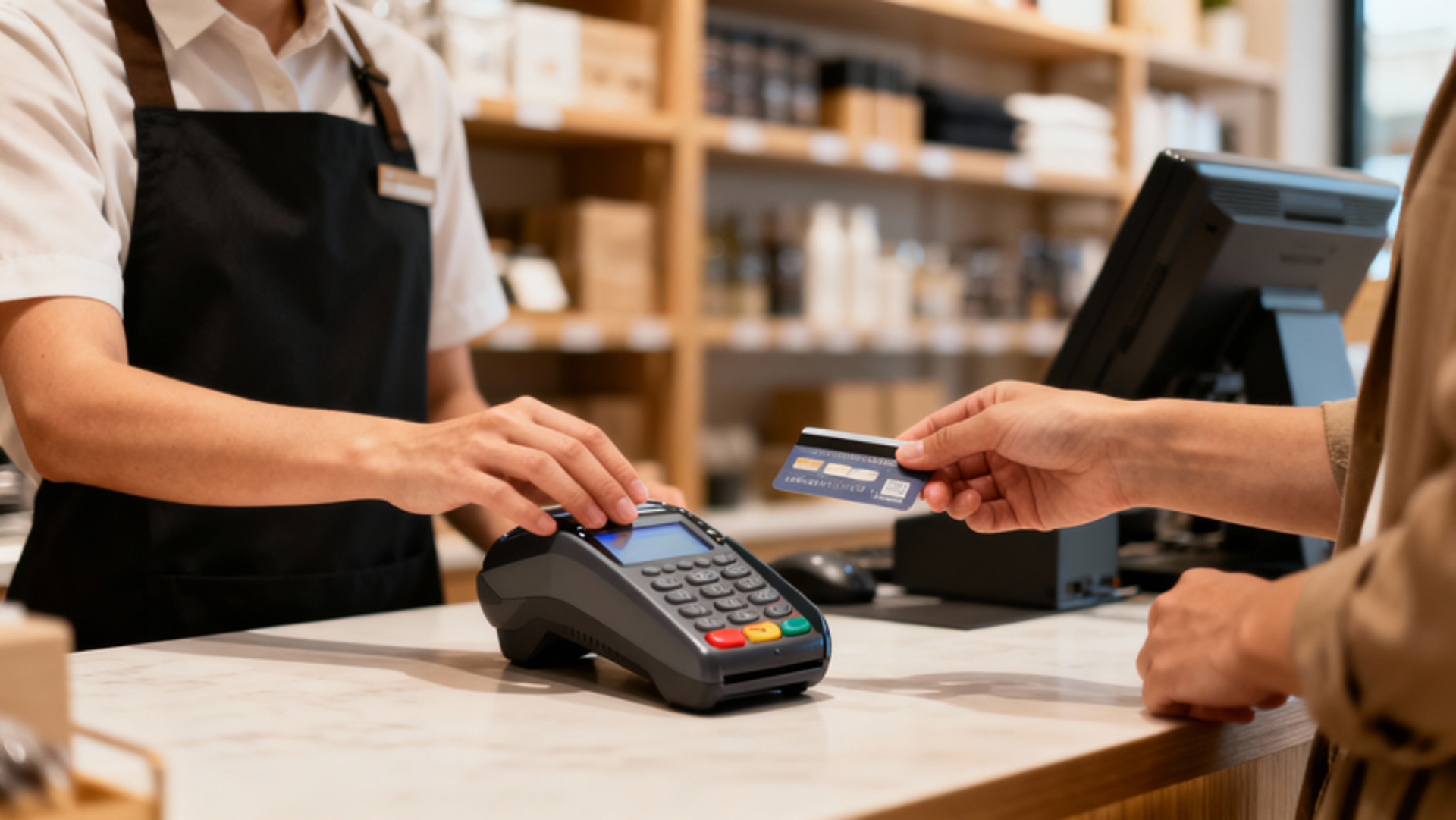
Convenience shapes the way we shop.
The Modern Payment Landscape
By 2016, the UK had become the strongest ecommerce market in Europe, with 54 billion pounds in online sales. Digital wallets became the most popular payment method by 2021. By January 2025, almost one-third of British retail was online.
Stripe and GoCardless further changed the landscape. They removed paperwork, simplified integration, and kept sensitive details out of office drawers and filing cabinets. Government services now accept digital payments. Subscriptions grew across every category. The digital marketplace matured quickly and confidently.
Where Online Shopping Will Be in Ten Years
Predicting the next decade feels similar to guessing the plot of a long-running soap opera. Every time people think they understand, something unexpected arrives. Even so, several trends point clearly towards the future.
Artificial intelligence will shape most shopping interactions. Websites will not merely recommend items. They will act like personal shoppers who understand your taste, household needs, and shopping habits. They will remind you about birthdays, suggest suitable presents and warn you before you purchase something overpriced.
Voice shopping will become normal. People will speak to devices in the kitchen while cooking and ask them to reorder groceries or find gifts. The idea feels bold now, but so did ordering food through a television in 1984.

In the future, voice shopping modules will become commonplace.
Delivery will speed up. Local fulfilment centres will dramatically shorten delivery times. Automated lockers and innovative courier systems will handle more orders at a lower cost. Even smaller businesses will benefit because shared delivery networks will make fast fulfilment affordable.
Physical shops will not disappear. Many will blend digital convenience with in-person service. People may browse products in-store, pay on their phone, and walk out without queuing. Shops will focus on creating experiences rather than storing stock.
Augmented reality will improve. People already test furniture in their homes with phone cameras. In ten years, the process will feel almost real. Paint colours, décor, clothing and even garden layouts will preview instantly in impressive detail.
Sustainability will become essential. Shoppers will expect greener packaging, responsible sourcing and clear explanations of where products come from. Retailers will respond with repair options, reuse programmes and improved materials.

The most significant change will involve expectation. People want simple, reliable and fast experiences. Any business that complicates life will lose customers instantly. Time-saving remains the most powerful promise, and once people experience it, they rarely go back.
Closing Thoughts
Online shopping has evolved from a curious experiment into a force that shapes how people live, work and connect. We travelled from carbon paper contraptions and dial-up noise to instant payments and doorstep deliveries that arrive almost before we remember ordering them. The next decade will bring even greater leaps, but the heart of the story remains the same. People value time, convenience and confidence. Once a system delivers those three things, it becomes woven into everyday life. Whether we are ready for the next wave or not, one thing is clear. The future of shopping will move faster than we expect, and it will never return to the world we left behind.
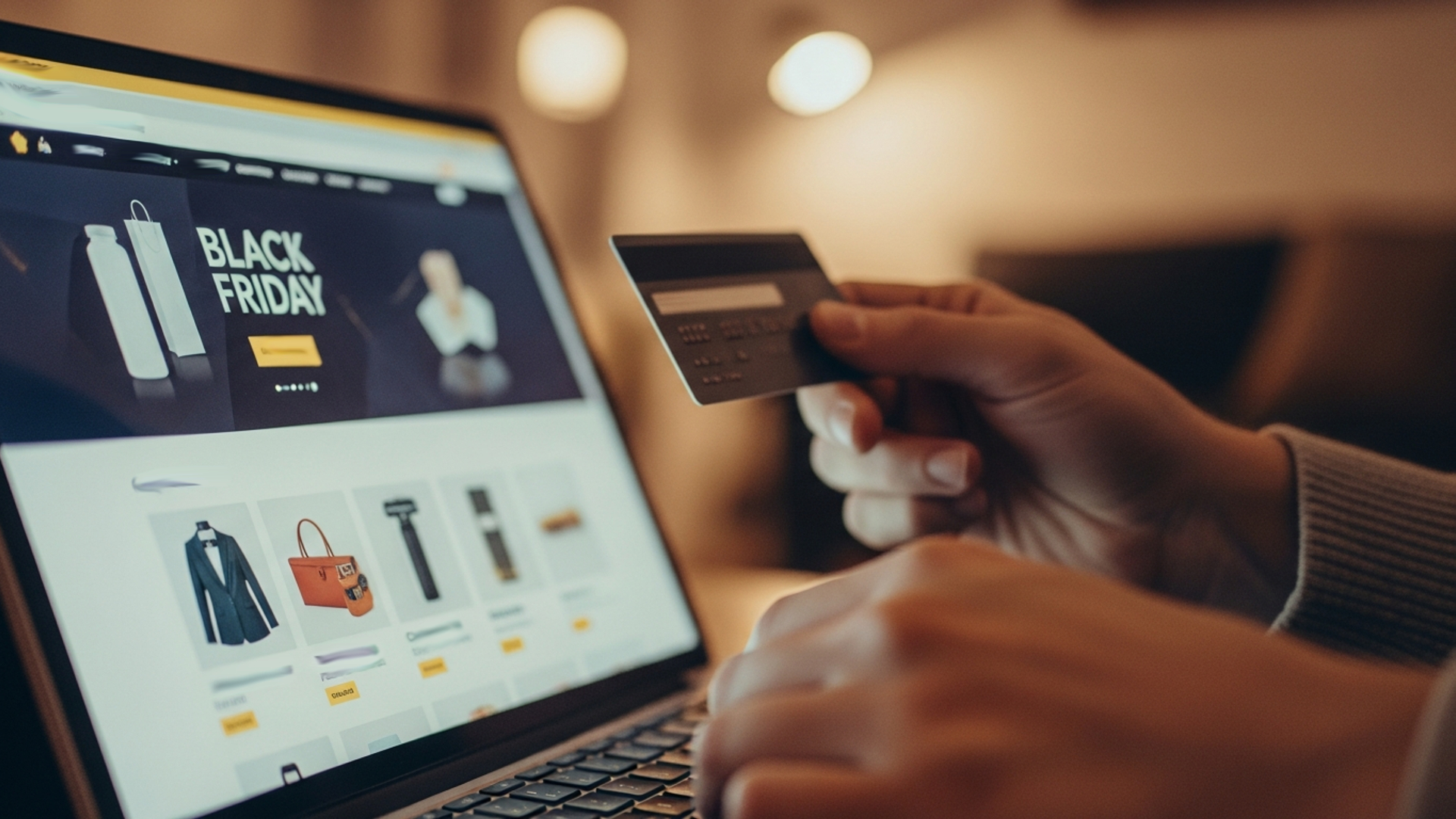
2015 – Britain records its first billion-pound online shopping day on Black Friday.
Timeline Summary of Online Shopping: Year by Year
1979 – Michael Aldrich created the first teleshopping system by connecting a TV to a transaction computer through a phone line.
1981 – Thomson Holidays launches the first business-to-business online shopping system.
1984 – A grandmother in Gateshead places the first public online grocery order through Tesco using Aldrich’s Videotex system.
1994 – NetMarket processes the first secure online transaction.
Pizza Hut experimented with selling pizza through its early online portal.
1997 – Tesco launches Tesco Direct, one of the world’s first large-scale online grocery services.
1999 – Amazon and eBay begin trading in the UK, pushing mainstream consumer adoption forward.
Early 2000s – SSL certificates become standard, manual card processing continues behind the scenes, and early payment gateways such as WorldPay, NetBanx, DataCash, and SecPay emerge.
2005 – More than half of UK shoppers buy at least one Christmas present online.
2010 – Amazon brings Black Friday to the UK for the first time.
2015 – Britain records its first billion-pound online shopping day on Black Friday.
2016 – UK becomes Europe’s most mature ecommerce market, with sales reaching 54 billion pounds.
2020 – The pandemic accelerates online shopping dramatically. Online retail jumps to thirty per cent of total UK sales.
2021 – Digital wallets become the most popular UK online payment method.
2025 – Online shopping accounts for almost one-third of all UK retail sales.
FAQs
What was the first example of online shopping?
The first documented example occurred in 1984, when a grandmother in Gateshead ordered groceries through her television using Michael Aldrich’s teleshopping system.
When did online shopping become mainstream in the UK?
Online shopping grew steadily through the late 1990s. By 2005, more than half of the population bought at least one Christmas gift online.
Why were early online payments so difficult?
Early payments required SSL certificates, manual card decryption, secure office storage and manual card processing through telephone lines or countertop terminals.
How did PayPal change online shopping?
PayPal introduced a trusted way to pay without sharing card details with small websites. It increased confidence and encouraged more people to shop online.
What will online shopping look like in ten years?
Future shopping will focus on artificial intelligence, voice ordering, faster deliveries, augmented reality and blended online and physical experiences.
Further Reading:
The History of Video on the Web
Crafting The Perfect Marketing Slogan
Need help turning this advice into action?
If you are reviewing your website, marketing or online visibility, we can help you work out what to improve first.
Related articles
 Websites
Why do All Websites Look the Same?
If you are a regular surfer of the World Wide Web, you may wonder why all websites look the same. In this article, we…
Read article
Websites
Why do All Websites Look the Same?
If you are a regular surfer of the World Wide Web, you may wonder why all websites look the same. In this article, we…
Read article
 Websites
How to Post on WordPress
WordPress is one of the most popular Content Management Systems (CMS) on the internet. This guide will walk you through the basic steps and…
Read article
Websites
How to Post on WordPress
WordPress is one of the most popular Content Management Systems (CMS) on the internet. This guide will walk you through the basic steps and…
Read article
 Websites
Mobile-First Design: Why You Need To Start Thinking About It NOW
The digital landscape is evolving rapidly, with mobile devices increasingly dominating how users access information, communicate, and engage with content. As of 2024, over…
Read article
Websites
Mobile-First Design: Why You Need To Start Thinking About It NOW
The digital landscape is evolving rapidly, with mobile devices increasingly dominating how users access information, communicate, and engage with content. As of 2024, over…
Read article
 VideoandWeb.com