The Pitfalls of Filming Business Videos on Your Phone
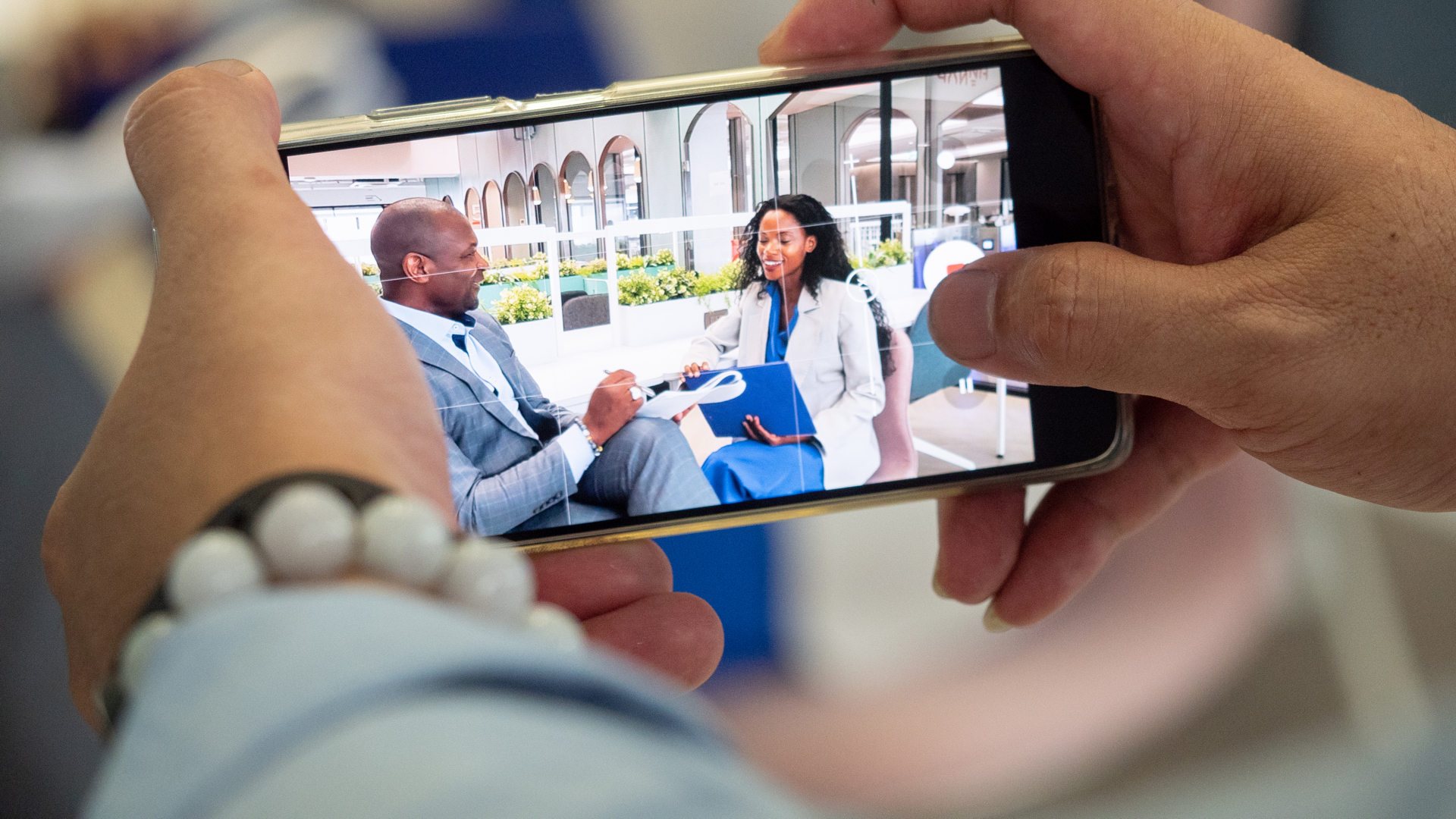 The pitfalls of filming business videos on your phone. Content is key to fulfilling your online potential and improving your SEO. Regarding click rates, video holds even more sway because people love to watch and share moving images.
However, the allure of convenience has led many to use their smartphones to film business videos. While modern smartphones boast impressive cameras, relying on them for professional business videos can have significant pitfalls. Here’s why investing in professional equipment is often the better route.
Quality Consistency and Control
Smartphone cameras, though advanced, lack the level of control offered by professional equipment. They might produce decent quality in ideal conditions but struggle in varied lighting environments.
• Resolution: Professional cameras often have higher resolution and better sensors, resulting in sharper, more detailed images. This difference is particularly noticeable on larger screens or when videos are used in high-quality digital marketing campaigns.
• Manual Control: With professional cameras, you can manually adjust settings like exposure, focus, and white balance. This level of control is crucial in ensuring consistent quality across different shots and scenes, which smartphones struggle with with their automated settings.
• Cinematic Shot selection: Professional camcorders are set up to enable more varied shots like pull focus, slow zooms and panning. While some of these shots can be achieved on a phone, the point-and-click nature of the device makes these tasks more difficult.
• Ease of Use and Live Filming: Camcorders are particularly good in a live situation. When filming an event such as a conference, show or theatre production, smooth filming and being ready for any eventuality is key. The key components such as light control (f stops), ND Filters, zoom controls and white balance are all easily accessible features on a professional camcorder, so capturing any live event is easier.
 Sound Quality
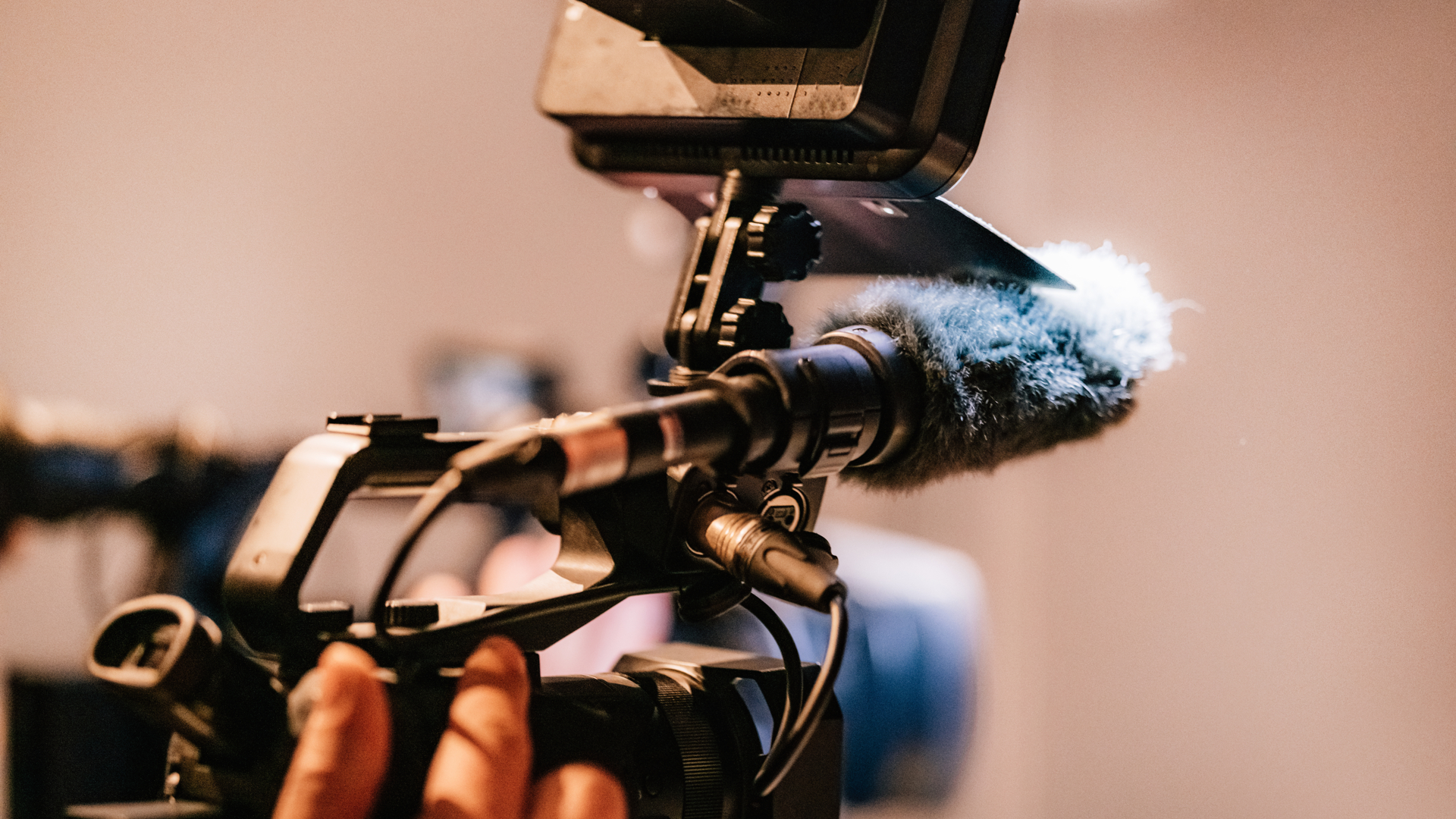
Audio quality is as crucial as visual quality in business videos. Poor audio can make a professional-looking video appear amateurish and drive viewers away.
• Built-in Microphones: Smartphones rely on built-in microphones not designed for professional-grade audio. They often pick up background noise and fail to capture clear, crisp sound, especially in noisy environments.
• External Microphones: Professional setups allow high-quality external microphones that capture clean, directional sound, which is essential for interviews or voiceovers.
Stability and Movement
Shaky footage can ruin the viewer’s experience and distract from the video’s message.
• Stabilization: While smartphones have some form of image stabilization, it’s often not as effective as the stabilization provided by professional cameras and accessories. Professional setups typically include tripods, gimbals, and other stabilization tools that ensure smooth, steady footage.
Lighting
Proper lighting can dramatically improve the look and feel of a video.

• Built-in Flash: Smartphone flashes are often too harsh and direct, leading to unflattering shadows and highlights.
• Professional Lighting: Investing in professional lighting equipment, such as softboxes or LED panels, allows for controlled, flattering lighting setups that enhance the video’s visual appeal and maintain consistency across different scenes.
Editing and Post-Production
The quality of the footage affects the editing process and the final output.
• Footage Quality: Lower-quality footage from smartphones can limit the editing possibilities. It might not hold up well under colour correction or when applying effects, potentially leading to a less polished final product.
• Professional Footage: Footage from professional cameras typically offers more flexibility in post-production. It can be more easily edited, colour-graded, and enhanced to achieve the desired look.
 Perception and Professionalism
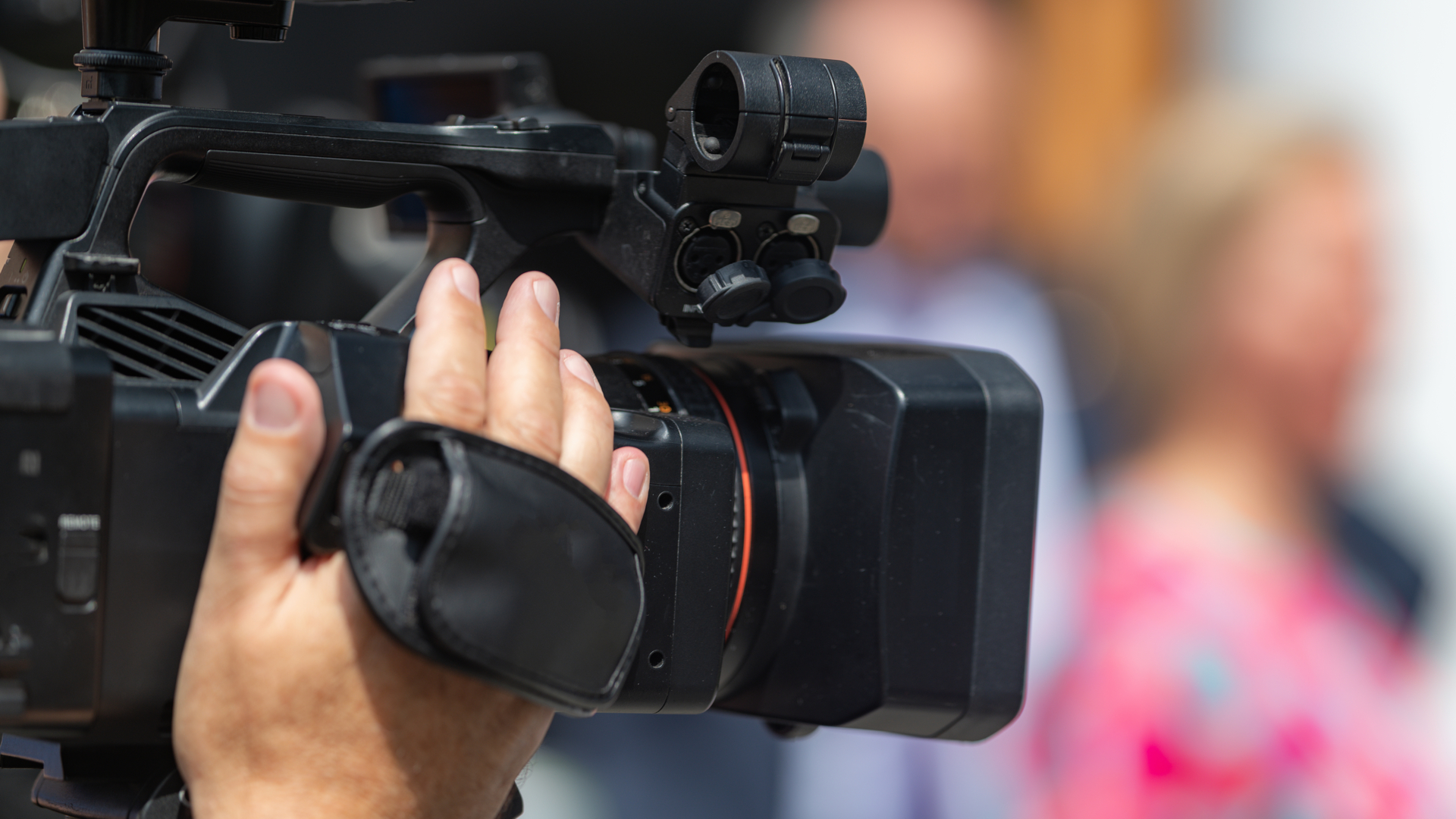
First impressions are crucial, and the quality of your videos directly impacts how your audience perceives your business.
• Amateur vs. Professional: Videos shot on smartphones often look amateurish, potentially harming your brand’s image. Professional-quality videos convey a sense of credibility, attention to detail, and investment in quality, which can positively influence how your audience perceives your business.
Scalability
As your business grows, so will your content needs.
• Future-Proofing: Investing in professional equipment ensures your video production can scale with your business. It provides the flexibility to produce various types of content, from simple explainer videos to more complex productions, without needing frequent equipment upgrades.
Conclusion
While smartphones are undoubtedly convenient and useful for quick, informal videos, they fail to deliver the consistency, quality, and professionalism required for business content. Professional equipment enhances the visual and audio quality of your videos and provides the control and flexibility needed to produce high-calibre content that aligns with your brand’s image. For businesses serious about leveraging video for marketing and communication, the investment in professional video equipment is a technical upgrade and a strategic move to ensure long-term success in a competitive digital landscape.
Further Reading
The Importance of Filming a Keynote Speaker’s Insights
Mastering the Brush of Illumination
Need help turning this advice into action?
If you are reviewing your website, marketing or online visibility, we can help you work out what to improve first.
Related articles
 Content
How to Explain Complicated Services Simply
If it takes ten minutes to explain what your business does, you may have already lost the customer. Just because you know your profession…
Read article
Content
How to Explain Complicated Services Simply
If it takes ten minutes to explain what your business does, you may have already lost the customer. Just because you know your profession…
Read article
 SEO
Why Sounding Human Again May Be the Future of SEO
Why sounding human again may be the future of SEO. Discover why authentic content, Geo Marketing, and real expertise matter more than ever in…
Read article
SEO
Why Sounding Human Again May Be the Future of SEO
Why sounding human again may be the future of SEO. Discover why authentic content, Geo Marketing, and real expertise matter more than ever in…
Read article
 Content
Why the Same Message Needs to Be Told in Different Ways
There is a quiet myth in business that repeating yourself looks unprofessional. We explore why the same message needs to be told in different…
Read article
Content
Why the Same Message Needs to Be Told in Different Ways
There is a quiet myth in business that repeating yourself looks unprofessional. We explore why the same message needs to be told in different…
Read article
 VideoandWeb.com