Mastering the Brush of Illumination
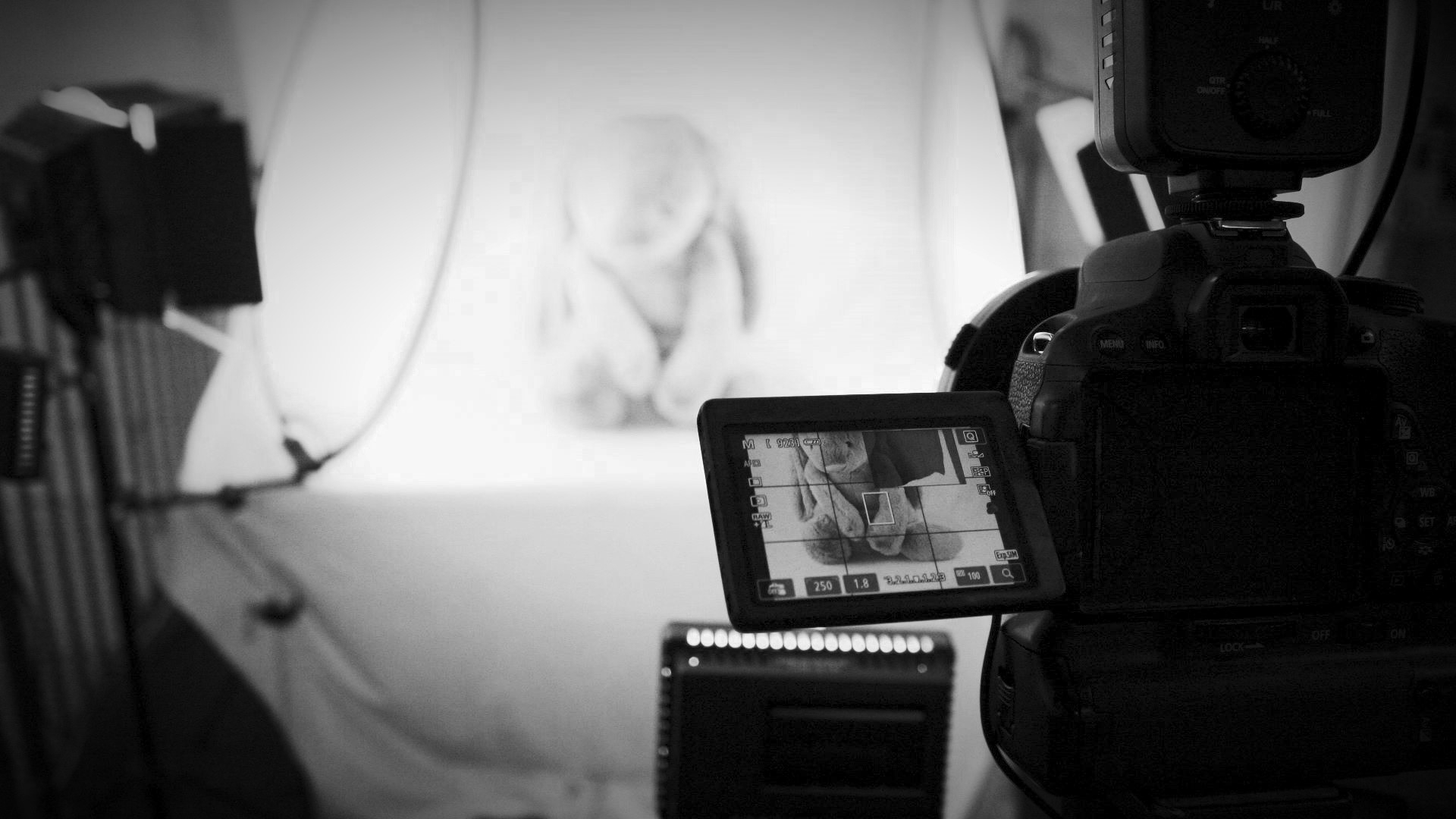 Mastering the brush of illumination. How lighting technicians create cinematic magic in videos. Have you ever wondered how a simple room can be transformed into a breathtaking cinematic masterpiece? The answer lies in the hands of lighting technicians. These unsung heroes work behind the scenes to bring life and depth to every scene, turning ordinary spaces into extraordinary works of art. Join us as we explore the power of illumination and discover how lighting technicians play a crucial role in creating movie magic.
The role of lighting technicians in video production
Lighting technicians are responsible for creating and controlling the lighting on set to achieve a scene’s desired mood, atmosphere and overall look. They work closely with directors, cinematographers and other crew members to bring their vision to life through proper lighting techniques.
One may think anyone can handle lighting on set, but it takes more than just setting up lights and turning them on. Lighting technicians possess technical knowledge about various types of lights, their functions and how they can be manipulated to create different effects. They also have an eye for detail and understand how light interacts with different surfaces and objects.
Once filming begins, the lighting technician’s job is to adjust lights as needed throughout each take. It could include changing intensity levels or moving lights around if necessary. They also need to ensure no shadows or unwanted highlights affect the shot.
Lighting technicians are not just responsible for illuminating a scene but also have the power to enhance emotions, create depth and bring out the best in actors and their surroundings. Without their expertise, even the most talented directors and cinematographers would struggle to achieve that cinematic look we all love.
The science behind lighting and its impact on visuals
Lighting technicians are highly skilled individuals who understand the physics and chemistry behind light. They deeply understand how light behaves, its properties, and how it can be manipulated to achieve the desired effect. They can control light intensity, direction, and colour temperature by utilizing different types of lights, such as tungsten or LED, and various techniques like diffusing or bouncing off surfaces.
One important aspect that lighting technicians consider when setting up lights is contrast. Contrast refers to the difference between light and dark areas in an image. It helps to create depth and dimension in a scene by highlighting certain elements while keeping others in shadow. By carefully adjusting contrast through lighting placement and intensity, technicians can guide the viewer’s eye towards important details or characters within a frame.
Another key element in lighting design is colour temperature. Each light source emits a specific colour tone measured on the Kelvin scale, ranging from warm (red/yellow) tones to cool (blue/white) tones. These temperature ranges can dramatically change the mood of a scene depending on what kind of emotion is portrayed. For example, warm temperatures create a cozy atmosphere, while cool temperatures may give off an eerie feeling.
Additionally, shadows play an essential role in visual storytelling through lighting. The absence or presence of shadows can imply secrecy or reveal information about characters’ intentions without explicitly saying it through dialogue or action.
 How to create different moods and effects
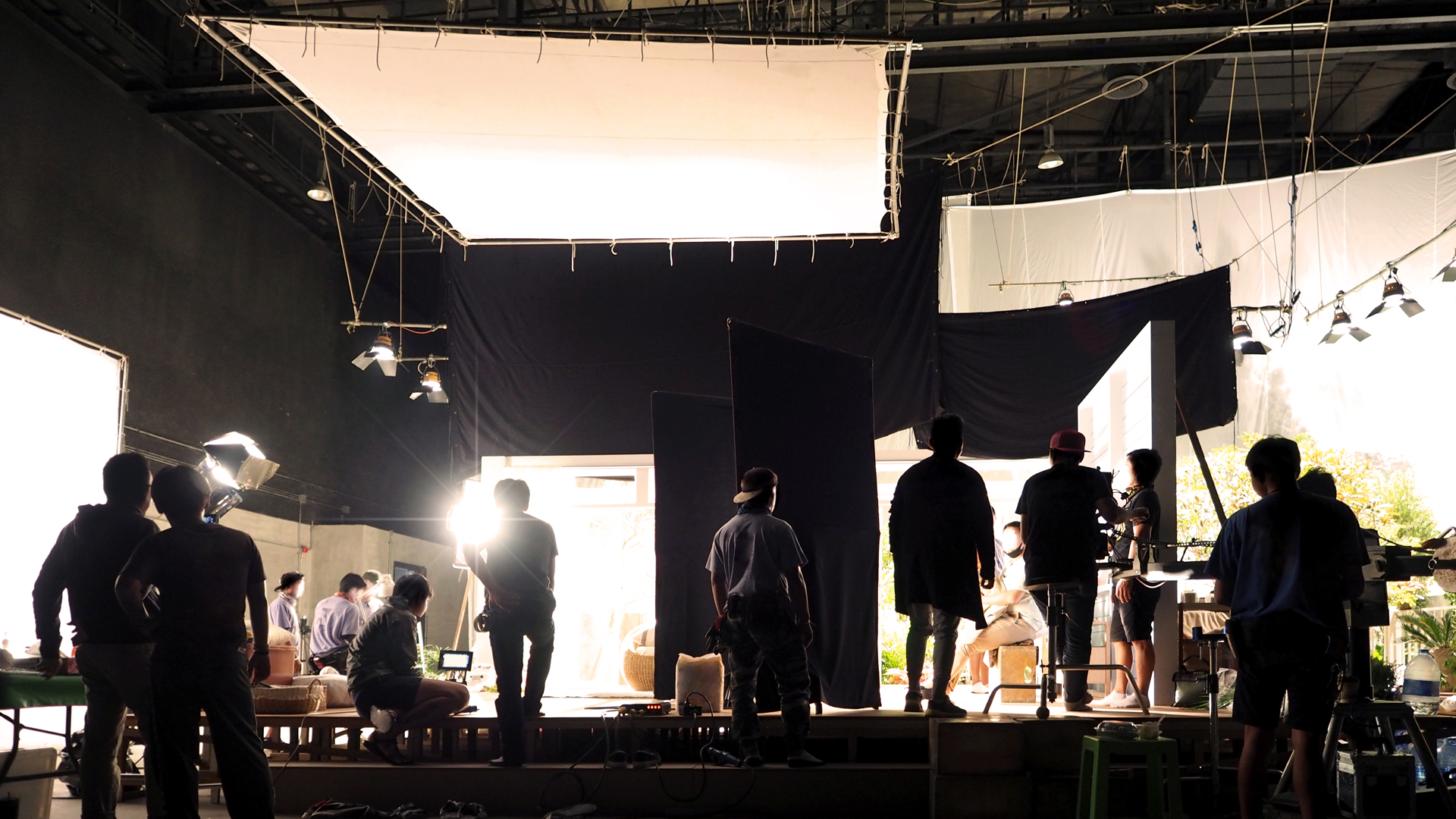
Various techniques and tools are available to create different moods and effects on screen. Here are some of the most commonly used techniques by lighting technicians to achieve their desired aesthetic.
1) Three-Point Lighting: This is perhaps the most fundamental technique lighting technicians use in film and television production. It involves using three separate light sources – key light, fill light, and backlight – to illuminate a subject or scene. The key light is the main illumination source, providing depth and definition to the subject. The fill light softens any harsh shadows created by the key light, while the backlight adds a rim of brightness around the subject, separating them from the background.
2) High-Key Lighting: This technique evenly lights a scene or subject with minimal shadows, creating a bright and cheerful mood. It is commonly used in comedies and romantic films to convey positivity and happiness.
3) Low-Key Lighting: This form of lighting creates a dramatic contrast between light and shadow by using minimal or directional lighting. This technique is often used in horror or thriller genres to create an intense and ominous atmosphere.
4) Natural Light: Natural light refers to using existing sunlight as the primary illumination source for a scene. This technique can add authenticity and realism to outdoor scenes but requires skilful manipulation through diffusers, reflectors, or scrims to control its intensity.
5) Colored Gels: Gels are thin sheets of coloured plastic placed over lights to change their hue and create specific moods or effects. For example, blue gels can be used in night scenes to simulate moonlight, while red gels can evoke feelings of passion or danger.
6) Practical Lights: Any lights appearing on screen as part of the scene, such as lamps or candles. They can add depth and realism to a shot while also serving as an additional illumination source.
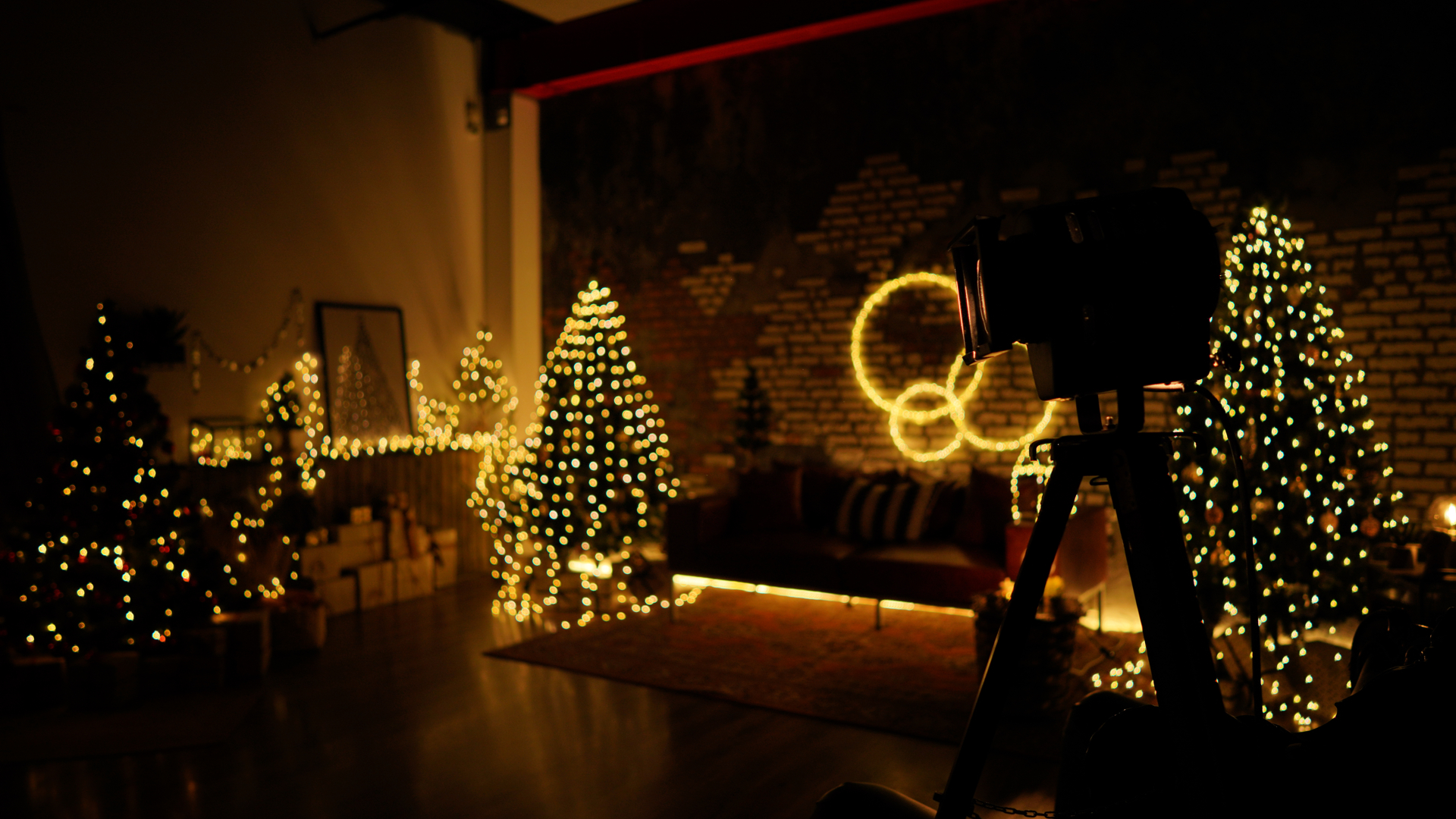 7) Lighting Angles: The angle at which light hits a subject can greatly affect the mood and tone of a scene. For instance, lighting from above can create a sense of authority or dominance, while lighting from below can evoke feelings of unease or vulnerability.
Lighting technicians have an array of techniques at their disposal to enhance the atmosphere and emotion in a scene. Understanding and using these techniques effectively is essential for creating compelling visuals that leave a lasting impact on viewers.
Challenges faced by lighting technicians
A lighting technician’s job is not without its challenges. Here are some of the common challenges they face and how they overcome them.

1. Limited Time and Budget Constraints:
One of the biggest challenges lighting technicians face is working with limited time and budget constraints. Film productions are often on tight schedules and have limited budgets, making it challenging for lighting technicians to set up complex lighting setups or use expensive equipment. It can result in compromises that may affect the film’s overall look.
Experienced lighting technicians learn to be creative with their resources to overcome this challenge. They find ways to achieve the desired effect with minimal equipment and ensure they stay within budget while still delivering high-quality work.
2. Unpredictable Weather Conditions:
Outdoor shoots are a common occurrence in filmmaking, but they also come with their fair share of challenges – one being unpredictable weather conditions. Harsh sunlight, rain, wind, or clouds can interfere with planned lighting setups, making it difficult for lighting technicians to create consistent light throughout a scene.
To combat this challenge, experienced technicians monitor weather forecasts closely and have backup plans ready in case of unexpected changes in weather conditions. They also have tools such as diffusers or reflectors to help control natural light if needed.
3. Working With Difficult Locations:
Filming locations can present unique challenges for lighting technicians due to limited space or lack of access to power outlets. For example, filming in an old building may mean dealing with fewer electrical outlets or working around historical features that cannot be altered.
Lighting technicians must be adaptable and able to think on their feet. They may need to get creative with their lighting setups, use battery-powered equipment, or bring in additional generators to ensure they have enough power for their lighting needs.
While being a lighting technician may come with challenges, their ability to adapt, problem-solve, and communicate effectively allows them to overcome these obstacles and transform ordinary scenes into cinematic masterpieces.
 Tips for aspiring lighting technicians or DIY techniques for amateur
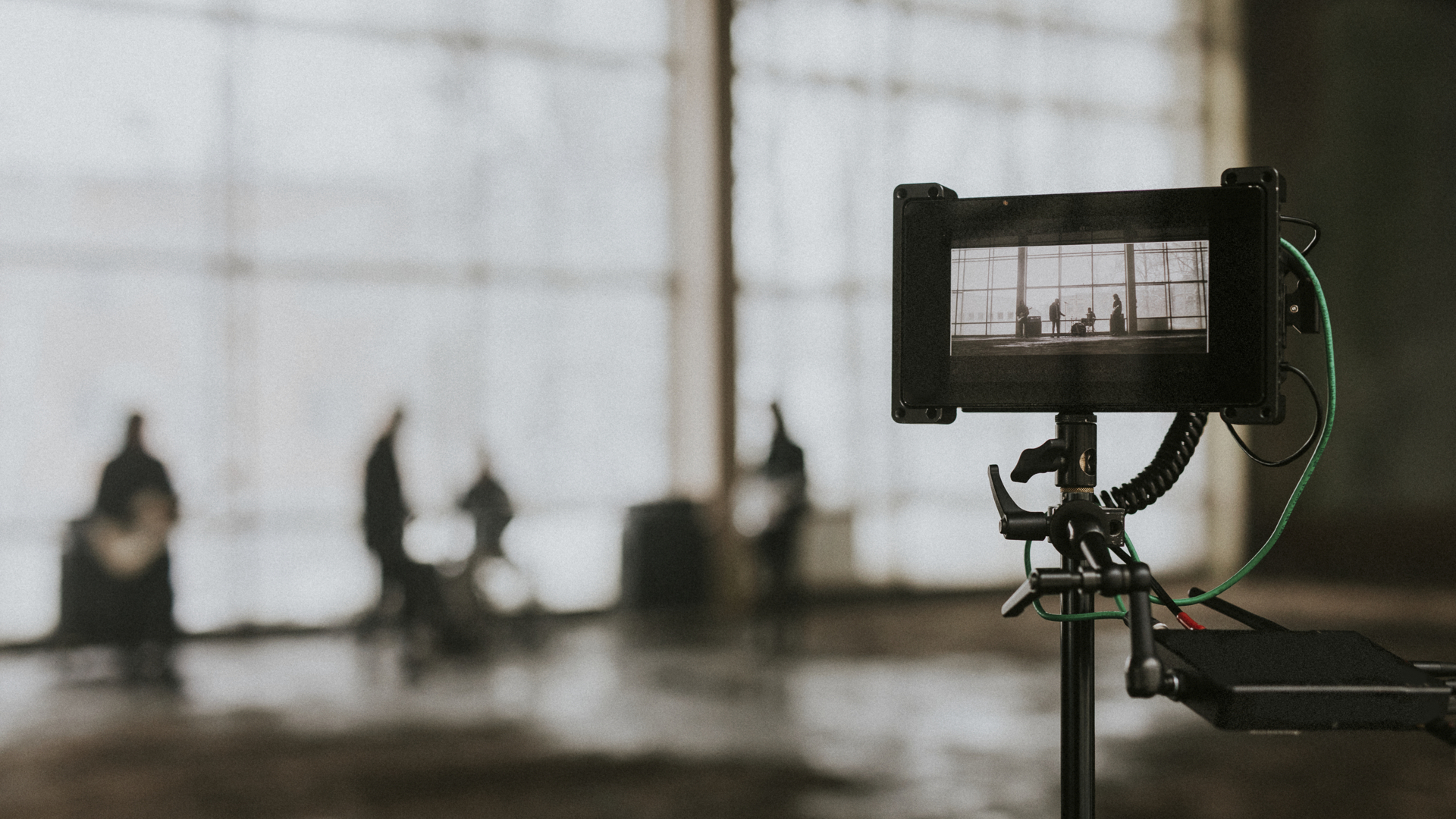
For those looking to enter the world of lighting technicians, a few key tips and techniques can help you get started. These tips will also be helpful for anyone looking to improve their lighting skills on a smaller scale, such as in amateur filmmaking or photography.
1. Understand the basics: The first step to becoming a successful lighting technician is to understand the fundamentals of light. It includes learning about different types of lights, their characteristics, how they interact with each other, and the environment. It’s important to understand colour temperature, intensity, directionality and diffusion.
2. Master three-point lighting: Three-point lighting is the most commonly used technique in film and photography. It uses three separate lights – key, fill, and backlight – to create a balanced and dynamic look. Learning how these three lights work together is crucial for achieving professional-looking results.
3. Use natural light whenever possible: Natural light can be one of the best sources for creating beautiful cinematic scenes. It’s free, readily available, and can provide soft and flattering illumination on subjects. Experiment with different times of day and positions in relation to windows or doors for optimal natural light usage.
4. Invest in quality equipment: While creating amazing lighting setups with minimal equipment is possible, investing in good quality lights can greatly enhance your results. LED panels are popular among professionals due to their versatility and ease of use.
5 . Learn how to control shadows: Shadows play an important role in creating depth and dimension in visual storytelling. Aspiring lighting technicians should learn how different types of lights affect shadows and how they can manipulate them for desired effects.
6 . Practice with different gels: Gels are coloured filters used over lights to achieve specific tones or moods within a scene. Knowing which gels complement each other can add an extra layer of creativity to your lighting setups.
7. Don’t be afraid to experiment: The best way to learn and grow as a lighting technician is to constantly try new things and push boundaries. Don’t be afraid to break traditional rules or think outside the box regarding lighting design.
By following these tips, aspiring lighting technicians can begin their journey towards mastering the art of illumination. Remember, practice makes perfect, so keep experimenting and refining your skills. With dedication and hard work, you, too, can transform ordinary scenes into cinematic masterpieces through the power of light.
Further Reading
How to Transform Your Podcast into an Engaging Video Experience
If your business was a movie… what would you put in the trailer?
Need help turning this advice into action?
If you are reviewing your website, marketing or online visibility, we can help you work out what to improve first.
Related articles
 Content
How to Explain Complicated Services Simply
If it takes ten minutes to explain what your business does, you may have already lost the customer. Just because you know your profession…
Read article
Content
How to Explain Complicated Services Simply
If it takes ten minutes to explain what your business does, you may have already lost the customer. Just because you know your profession…
Read article
 SEO
Why Sounding Human Again May Be the Future of SEO
Why sounding human again may be the future of SEO. Discover why authentic content, Geo Marketing, and real expertise matter more than ever in…
Read article
SEO
Why Sounding Human Again May Be the Future of SEO
Why sounding human again may be the future of SEO. Discover why authentic content, Geo Marketing, and real expertise matter more than ever in…
Read article
 SEO
How to Get Your Website to the Front of the Crowd
Creating a website today without SEO, social media, or any marketing at all is a bit like standing at the back of the O2…
Read article
SEO
How to Get Your Website to the Front of the Crowd
Creating a website today without SEO, social media, or any marketing at all is a bit like standing at the back of the O2…
Read article
 VideoandWeb.com