Blog For Business Success
 Blog for business success. Starting a blog for your business can be a daunting task. You have to consider not just the design of your blog but also the content you will post and how it will be shared with your target audience.
This article will provide you with the ultimate guide on how to set up your blog for success. Learn how to use SEO best practices, optimize visuals, create compelling content, and more!
Introduction
If you’re reading this, you’re probably considering starting a blog for your business. But where do you begin? And, more importantly, how can you set your blog up for success?
Never fear! We’ve put together the ultimate guide to setting up your blog for business success. This post covers everything from choosing the right platform to writing killer content to help you achieve your business goals.
What You Need To Get Started
If you’re looking to set up your blog for business success, you’ll need a few key things to get started. First and foremost, you’ll need to choose a blogging platform that’s right for you. There are several different options out there, so be sure to do your research before making a decision.
Once you’ve selected a platform, it’s time to start creating content. This is where most businesses fail – they don’t put enough thought or effort into their blog posts. Remember, your blog is an extension of your brand, so make sure everything you publish reflects positively on your business.
Once you have published a few pieces of great content, start promoting your blog. Get the word out by sharing your posts on social media and other online channels. With a little hard work and dedication, you can turn your blog into a powerful marketing tool for your business.
Selecting A Domain Name
Choosing a domain name is one of the most critical steps in setting up your blog for business success. Your domain name will identify your blog on the internet, so it’s important to choose one that is memorable and relevant to your niche.
There are a few things to keep in mind when choosing a domain name:
- Make it easy to remember. A domain name should be easy to remember and spell. Avoid using abbreviations or numbers in your domain name, as they can be difficult for people to remember.
- Keep it short. A shorter domain is easier to remember and type into a web browser. Aim for something around 10-15 characters long.
- Make it relevant to your niche. Choose a domain name that reflects the subject of your blog. This will help people remember your blog and find it more easily when searching for information on that topic.
- Use keywords if possible. Including keywords in your domain name can help people find your blog more quickly when searching for information on that topic. However, don’t sacrifice relevancy or memorability for the sake of a keyword – if it doesn’t fit well with the rest of your domain name, it’s not worth using.
- Once you’ve chosen a good domain name, you’ll need to register it with a hosting web service to get started with setting up your blog
Setting Up Your Hosting Account
If you’re serious about making money from your blog, you’ll need to invest in a quality hosting account. This will ensure that your blog is always up and running and can handle large amounts of traffic.
There are a few things to consider when choosing a hosting provider, such as:
- Reliability: Can your host keep your site up and running, even during high-traffic times?
- Speed: How fast will your site load for visitors?
- Customer support: If something goes wrong, can you count on your host to help you fix it?
- Pricing: How much does the hosting plan cost? Is it worth the price?
Once you’ve found a reliable and affordable hosting provider, setting up your account is simple. Just follow the instructions on their website, and soon enough, you’ll be ready to start blogging!

Installing WordPress
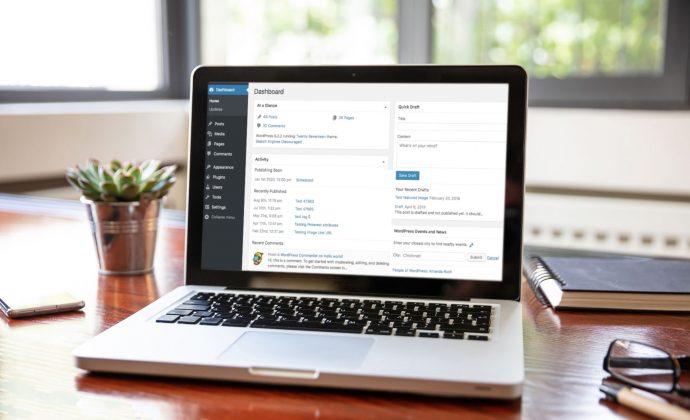
Adding a blog to your company website is a great way to connect with your customers and create fresh, engaging content. WordPress is one of the most popular blogging platforms, and it’s easy to see why – it’s free and easy to use, and thousands of themes and plugins are available to customize your blog.
Customizing Your Theme and Plugins
When it comes to customizing your theme and plugins, there are a few things you need to keep in mind. First and foremost, you want to ensure that you’ve understood what each element does and how it works. Secondly, you want to be careful not to break any functionality or inadvertently introduce security vulnerabilities.
That said, let’s take a look at some tips for customizing your theme and plugins:
- When in doubt, consult the documentation. Most themes and plugins come with detailed documentation that can help you understand how to customize them properly.
- Make use of child themes. If you’re planning on making significant changes to your theme, it’s always a good idea to create a child theme first. Then, you can revert to the parent theme without losing your changes if something goes wrong.
- Use an FTP client for plugin updates/changes & backups before updating the live site. Updating or changing plugins via an FTP client is always a good idea rather than directly on your live site. If something goes wrong, you can simply revert to the previous version without taking your site offline. Additionally, it’s always a good idea to back up your site before making any changes, just in case.
Writing Quality Content
If you’re serious about making your blog a success, you need to ensure you’re writing quality content. There’s no point in putting up a bunch of posts if they’re all full of typos and errors. Not only will this turn off your readers, but it will also hurt your chances of ranking high in search engines.
Here are a few tips for writing quality content:
- Take your time. Don’t try to dash off a post in 5 minutes. It’s worth taking the time to edit and proofread your work before hitting publish.
- Write for your audience. Think about who you’re writing for and what they want to read. Then, write interesting and engaging content that will keep them coming back for more.
- Use proper grammar and spelling. This may seem like a no-brainer, but it’s essential nonetheless. Typos and bad grammar will make your blog look unprofessional and can turn readers away.
- Be original. There’s nothing worse than repeatedly reading the same old thing on different blogs. Bring something new and fresh by writing original content that hasn’t been covered a million times before
 Promoting Your Blog
There are many ways to promote your blog and get more traffic. Here are some tips:
- Social media – Use social media platforms such as Twitter, Facebook and LinkedIn to share your blog posts with your networks. This will help to increase your reach and get more people to read your content.
- Guest blogging – Reach out to other bloggers in your niche and offer to write a guest post for their blog. This is a great way to get exposure to new audiences and grow your readership.
- Email marketing – Add a sign-up form on your blog so visitors can opt-in to receive email updates whenever you publish new content. You can then use email marketing platforms like MailChimp or AWeber to send regular newsletters featuring your latest blog posts.
- Paid advertising – Paid advertising can drive targeted traffic to your blog. Try using Google AdWords or promoting your posts on social media platforms like Facebook or Twitter.
- SEO – Improve the search engine optimization (SEO) of your blog by using keywords throughout your content and tagging your posts with relevant keywords. This will help make sure that your content is easily found by readers who are searching for topics related to what you write about
Analyzing and Optimizing Your Site
You should do a few key things to analyze and optimize your site for business success. First, look at your site’s analytics to see how people are finding and interacting with your site. This will help you identify any areas where people are having difficulty using your site or areas that could be improved.
Next, test your site to see how it performs under different conditions. This will help you determine if any bottlenecks on your site need to be addressed. Finally, regularly review your site’s performance and make changes to keep it running smoothly.
Conclusion
Starting a blog for your business can be a great way to boost your online presence, reach new customers and increase sales. We hope this guide has given you the tools, tips, and techniques to make your blog setup successful. Whether you’re just getting started or looking to improve an existing website, we wish you all the best in achieving success with your blogging endeavours!
Further reading
When is the best time to publish blogs?
Why Telling Stories Is The Best Thing You Can Do For Your Blog And Brand
Why is WordPress the Best Blogging Platform for Your Business?
Need help turning this advice into action?
If you are reviewing your website, marketing or online visibility, we can help you work out what to improve first.
Related articles
 Content
Traffic Magnets That Keep Visitors Coming Back
Getting people to visit your website is one challenge. Giving them a reason to stay, discover your business and come back is another. We…
Read article
Content
Traffic Magnets That Keep Visitors Coming Back
Getting people to visit your website is one challenge. Giving them a reason to stay, discover your business and come back is another. We…
Read article
 Branding
Why, if Your Company Has a Website, is Your Brand Global?
Why, if your company has a website, is your brand global? In today's interconnected world, establishing an online presence through a website inherently positions…
Read article
Branding
Why, if Your Company Has a Website, is Your Brand Global?
Why, if your company has a website, is your brand global? In today's interconnected world, establishing an online presence through a website inherently positions…
Read article
 Websites
How to Post on WordPress
WordPress is one of the most popular Content Management Systems (CMS) on the internet. This guide will walk you through the basic steps and…
Read article
Websites
How to Post on WordPress
WordPress is one of the most popular Content Management Systems (CMS) on the internet. This guide will walk you through the basic steps and…
Read article
 VideoandWeb.com