The Importance of Building an Email Marketing List for Small Businesses
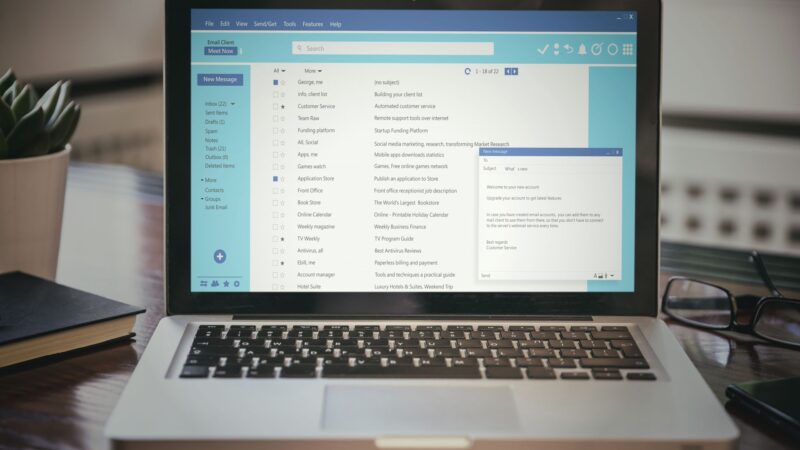 Are you a small business owner looking for ways to increase your customer base and drive sales? Look no further than email marketing! Building an email list is one of the most effective ways to reach potential customers, build relationships with existing ones, and ultimately grow your business.
In this blog post, we’ll dive into the importance of building an email marketing list for small businesses and provide tips on how to get started.
What is Email Marketing?
Email marketing is a form of direct marketing that uses email to communicate with potential and current customers. It can be used to promote your business, products, or services. Email marketing is an effective way to generate leads and sales for your business.
Benefits of Email Marketing for Small Businesses
Email marketing is one of the most cost-effective ways to reach your target market. It is also one of the most efficient ways to stay in touch with your current customers. Here are some of the benefits of email marketing for small businesses:
Cost-effective
Email marketing is one of the most cost-effective marketing tools available. You can reach a large number of people at a fraction of the cost of other marketing methods.
Efficient
Email marketing is an efficient way to stay in touch with your customers. You can quickly and easily send out updates, special offers, and news about your business.
Measurable
Email marketing allows you to track your results so you can see how many people open and click through your emails. This helps you gauge your campaigns’ effectiveness and make necessary adjustments.
Personalized
Email marketing lets you personalize your messages to each subscriber on your list. This helps to build relationships and connect with your customers on a more personal level.
Automated
Email marketing software makes it easy to automate your campaigns so you can set them up once and forget about them. This saves you time and ensures that your messages are always sent on time.
How to Build Your Email List
To build your email list, there are a few things you can do:
- Use an email sign-up form on your website – This is a great way to collect email addresses from people who visit your site. You can add the form to your sidebar, header, or footer.
- Add a call-to-action in your blog posts – Include a call-to-action in each post, encouraging readers to sign up for your email list. You can offer a freebie in exchange for their email address.
- Leverage social media – Use social media to promote your email sign-up form and drive traffic to your website. For example, you can share the form on Twitter, Facebook, Instagram, etc.
- Run ads – Another great way to grow your email list is by running ads on platforms like Google AdWords or Facebook Ads. You can target potential subscribers with specific keywords or interests.
- Collaborate with other businesses – Partner with other businesses in your industry and promote each other’s email lists. This is a great way to reach new people who might be interested in what you have to offer
Strategies for Growing Your List
There are several strategies you can employ to grow your email marketing list. First, make it easy for people to sign up for your list by providing a sign-up form on your website and blog. You can also promote your email list through social media, online ads, and offline methods such as print ads and flyers.
Additionally, offer incentives to encourage people to join your lists, such as exclusive content, discounts, or entry into contests or giveaways. Finally, make sure you are consistently adding fresh subscribers to your list so that it continues to grow.

Tips for Setting Up and Managing an Email List
An email marketing list can be a powerful tool for small businesses. It can help you reach a large audience with your marketing messages and be a great way to stay in touch with your customers and build relationships with them.
However, setting up and managing an email marketing list can be a challenge, especially if you’re unfamiliar with the process. Here are some tips to help you get started:
- Choose an email service provider: There are many different providers out there, so take some time to research your options and find one that’s right for you. In addition, you’ll want to consider price, features, ease of use, and email reputation.
- Create sign-up forms: You’ll need to create forms that people can fill out to subscribe to your list. These forms should be placed on your website, in your emails, and anywhere else where potential subscribers might see them. Make sure the form is easy to understand and use, or you risk losing people’s interest.
- Segment your list: Once you have subscribers, it’s important to segment them into different groups so you can send more targeted emails. For example, you might want to create separate lists for customers and prospects or different product lines or services. This will help ensure that people only receive emails that are relevant to them, which will make them more likely to read and act on them.
Understanding Email Analytics
Email analytics is essential for understanding how your email marketing initiatives are performing. By tracking key metrics, you can identify areas for improvement and make necessary changes to improve your results.
There are several different metrics that you can track, but some of the most important ones include the following:
- Open rate: This measures how many people open your emails. A low open rate indicates that your subject lines aren’t effective or that your emails are going to spam folders.
- Click-through rate: This measures how many people click on links in your emails. A low click-through rate could indicate your content isn’t relevant or interesting to your audience.
- Bounce rate: This measures how many emails are bouncing back as undeliverable. A high bounce rate could indicate that there are issues with your email list (e.g., invalid email addresses).
- Unsubscribe rate: This measures how many people unsubscribe from your email list after receiving one of your emails. A high unsubscribe rate could indicate that you’re sending too many emails or that your email content is irrelevant to your subscribers.
By tracking these and other email analytics, you can better understand how well your email marketing campaigns perform and make necessary adjustments to improve results.
 UK GDPR and Email Marketing
Small businesses in the United Kingdom must know about UKGDPR (United Kingdom General Data Protection Regulation) and how it affects email marketing.
The regulation first came into effect in May 2018 and was known as GDPR when the UK was still in the EU. The idea was to strengthen data protection rules by giving individuals more control over their personal data, including the right to know what personal data is being collected about them, the right to have that data erased, and the right to object to its use. Post Brexit, GDPR was copied into UK Law as UKGDPR.
UKGDPR applies to any business that processes or intends to process the personal data of UK & EU citizens, regardless of whether the business is based inside or outside the UK or EU. This means that even small businesses with no presence in the EU need to comply with GDPR if they collect or process the personal data of EU citizens.
If your small business collects email addresses for marketing purposes, you will need to make sure that you are compliant with GDPR. This includes ensuring that individuals have given explicit consent for their data to be collected and processed and that they have been provided with clear information about how their data will be used. You will also need to allow individuals to easily opt out of receiving future communications from you.
If you are found to be non-compliant with GDPR, you could face heavy fines from the UK Information Commissioner’s Office (ICO). The ICO has already handed out several hefty fines to companies that have breached UKGDPR, so it is vital to take steps to ensure compliance.
Conclusion
Building an email marketing list is essential for small businesses to grow and reach new customers. With the right strategy, it can be a powerful tool that allows you to stay connected with your current customers while also growing your business by reaching potential new clients.
It’s essential to create engaging content that resonates with your audience in order to build up a successful email marketing list. Investing in an email service provider and focusing on building relationships through personalization will help you get the most out of this valuable communication platform.
Further Reading
UK Information Commissioner’s Office (ICO)
Are Your Email Marketing Campaigns Working?
Need help turning this advice into action?
If you are reviewing your website, marketing or online visibility, we can help you work out what to improve first.
Related articles
 Email Marketing
10 Ways to Increase Your Email Marketing Opens by 10%
Email marketing remains a powerful tool for engaging customers and driving business results. However, achieving high open rates can be challenging. Here are ten…
Read article
Email Marketing
10 Ways to Increase Your Email Marketing Opens by 10%
Email marketing remains a powerful tool for engaging customers and driving business results. However, achieving high open rates can be challenging. Here are ten…
Read article
 Email Marketing
Why Email Marketing Should Have A Mobile-Friendly Design
With the rise of smartphones and other mobile devices, it has become crucial for businesses to adapt their marketing strategies to cater to a…
Read article
Email Marketing
Why Email Marketing Should Have A Mobile-Friendly Design
With the rise of smartphones and other mobile devices, it has become crucial for businesses to adapt their marketing strategies to cater to a…
Read article
 Email Marketing
Where to Start with Targeted Marketing
Marketing is about reaching the right audience at the right time with the right message. Without proper targeting, your efforts can easily go to…
Read article
Email Marketing
Where to Start with Targeted Marketing
Marketing is about reaching the right audience at the right time with the right message. Without proper targeting, your efforts can easily go to…
Read article
 VideoandWeb.com