Studio vs. On Location: Which is the Right Choice for Your Business Video?
 Studio vs. on location: which is the right choice for your business video? Video has grown into a must-have marketing tool for businesses. Whether it be a promotional video, explainer video or footage to showcase a product or service, the moving image has proved invaluable for driving traffic to your website.
An important decision in this process is whether to film in a studio or on location. Each setting offers unique benefits and potential drawbacks that can significantly impact the final product. This guide explores the pros and cons to help you make the best choice for your next business video.
The Appeal of Studio Filming
Filming in a studio can offer several advantages:
1. Controlled Environment
A studio provides a highly controlled setting, allowing you to manage lighting, sound, and background precisely. It is particularly useful for technical shoots like product demonstrations or interviews where consistency is key.
 2. Weather Independence
With studio filming, you are not at the mercy of the UK’s notoriously unpredictable weather. It ensures your shoot can proceed on schedule without concerns about rain, wind, or insufficient natural light.
3. Professional Equipment
Studios are typically well-equipped with professional-grade cameras, lighting rigs, and sound gear. These factors can enhance the quality of your video and save on rental costs for such equipment if you were to film elsewhere.
4. Versatility
A studio can be set up to mimic different locations or environments, providing versatility in one place. It can be more efficient than moving between multiple locations and offers a variety of backdrops.
5. Reduced Distractions
Filming in a studio limits external distractions and interruptions, providing a focused atmosphere. It is particularly beneficial for content requiring high concentration, such as instructional videos or sensitive interviews.
6. Electricity!
Most lighting, cameras and screens need power. Most equipment is designed to be used on location and usually has a battery option. However, you are limited to how much battery life you have, so overrunning on a shoot can often be problematic.
 However, studio filming isn’t without its challenges:
• Cost: Renting studio space can be expensive, particularly in major UK cities like London or Manchester.
• Authenticity: Studio settings can sometimes feel artificial or staged, lacking the natural, relatable feel that
The Allure of On-Location Filming
Filming on location brings its own set of benefits:
1. Authenticity and Relatability
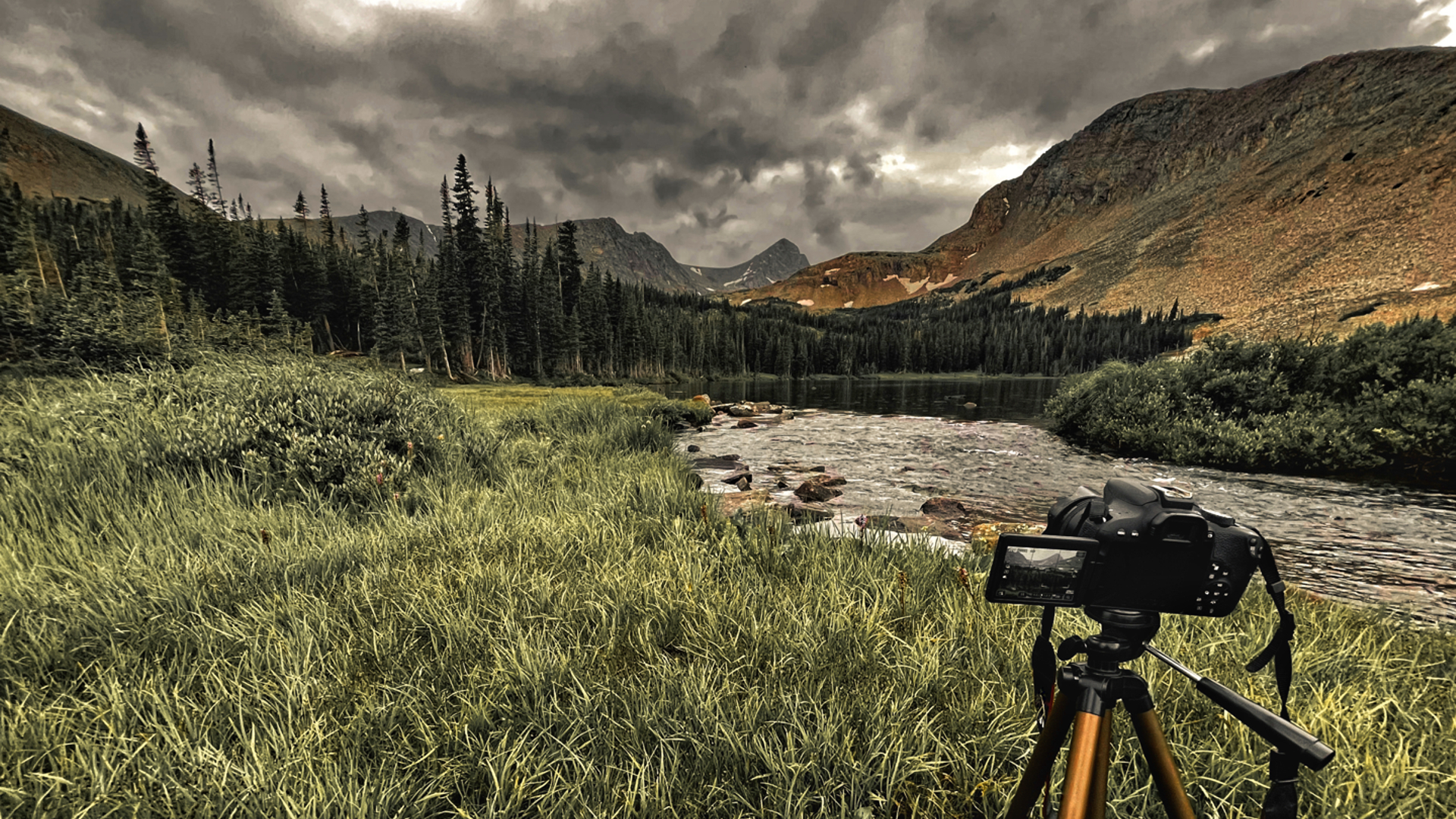
On-location shoots can provide a sense of authenticity and realism that studios may lack. Whether capturing the hustle and bustle of a busy London street or the serene backdrop of the Lake District, location filming can add genuine character to your video.
2. Contextual Relevance
Filming at a location relevant to your business or the video’s message can enhance the narrative. For example, a video about eco-friendly practices might resonate more if filmed in a green, natural setting.

3. Visual Appeal
Unique locations can offer visually stunning backdrops that make your video more engaging and memorable. Iconic UK locations like the Tower Bridge or the Scottish Highlands can provide a distinctive visual appeal that’s hard to replicate in a studio.
 4. Cost-Effective
Depending on your location, filming on-site can be more cost-effective, especially if the site is freely accessible or does not require extensive permits.
But, on-location filming also has its drawbacks:
• Logistics: Coordinating travel, securing permits, and transporting equipment can complicate filming.
• Weather and Light: As mentioned, the UK weather can be unpredictable. Managing natural light can also be challenging and require additional equipment or adjustments, particularly if you are filming for several hours. The change in light can cause all kinds of inconsistencies in the edit.
• Control: You have less control over environmental factors such as noise or unexpected passersby, which can disrupt the shoot.
Making the Decision: Key Considerations
When deciding between a studio or on-location shoot, consider the following:
1. Your Objective: Define the goal of your video. Is it to demonstrate a product, tell a story, or convey a brand message? The nature of your content will guide whether a controlled studio or a dynamic location is more suitable.
2. Your Audience: Consider what will resonate more with your audience. A location shoot might be more effective if they value authenticity and real-world scenarios. If professionalism and clarity are priorities, a studio may be better.
3. Budget: Evaluate your budget constraints. Studios might incur higher upfront costs, but on-location shoots can accumulate costs through logistics and potential permits.
4. Time: Consider your timeline. Studio shoots can be faster to set up and less dependent on external factors, while location shoots might require more time for planning and execution.
5. Resources: Assess your available resources, including equipment and expertise. A studio shoot might leverage existing in-house resources, while on-location filming could necessitate additional planning and rentals.
Conclusion
Both studio and on-location filming have their distinct advantages and potential pitfalls. The right choice depends on your specific needs, objectives, and resources. By carefully weighing these factors, you can select the setting that will best enhance your business video, creating content that meets your goals and captivates and engages your audience.
Further Reading
How to Use Netflix-Inspired Techniques to Elevate Your Business Videos
How to Increase Website Traffic with Video
Need help turning this advice into action?
If you are reviewing your website, marketing or online visibility, we can help you work out what to improve first.
Related articles
 Content
How to Explain Complicated Services Simply
If it takes ten minutes to explain what your business does, you may have already lost the customer. Just because you know your profession…
Read article
Content
How to Explain Complicated Services Simply
If it takes ten minutes to explain what your business does, you may have already lost the customer. Just because you know your profession…
Read article
 SEO
Why Sounding Human Again May Be the Future of SEO
Why sounding human again may be the future of SEO. Discover why authentic content, Geo Marketing, and real expertise matter more than ever in…
Read article
SEO
Why Sounding Human Again May Be the Future of SEO
Why sounding human again may be the future of SEO. Discover why authentic content, Geo Marketing, and real expertise matter more than ever in…
Read article
 Content
Why the Same Message Needs to Be Told in Different Ways
There is a quiet myth in business that repeating yourself looks unprofessional. We explore why the same message needs to be told in different…
Read article
Content
Why the Same Message Needs to Be Told in Different Ways
There is a quiet myth in business that repeating yourself looks unprofessional. We explore why the same message needs to be told in different…
Read article
 VideoandWeb.com