Geo-Location Marketing for Small Business
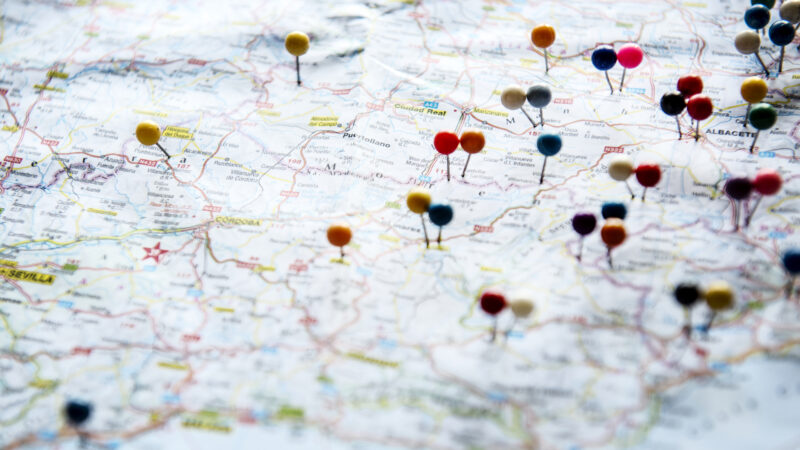
Geo-location marketing, often called geomarketing, is like having a map that tells you where your customers are and what they might need at any moment. By using geographical data, it allows businesses to connect with their audience in a personal, meaningful way. Instead of casting your message far and wide, hoping for a bite, geomarketing feels more like precision spearfishing—targeted and efficient. Whether you’re tailoring offers to a specific neighbourhood or town, this strategy ensures your efforts land where they’ll matter most. In this article we explore geomarketing for small business.
What Is Geo-Location Marketing?
At its core, geo-location marketing is about delivering tailored messages based on your customers’ location. Think of it as the difference between trawling the ocean with a massive net and carefully selecting the best fish in the exact spot where they’re known to gather. You save time, resources, and effort by pinpointing your audience precisely while ensuring your marketing feels relevant and personal.
For example, imagine a café sending a special discount to people within a two-mile radius at lunchtime or a florist targeting nearby residents on Valentine’s Day. These campaigns don’t just catch attention; they create a sense of connection, making customers feel like the offer was designed just for them.
Why Geo-Location Marketing Works
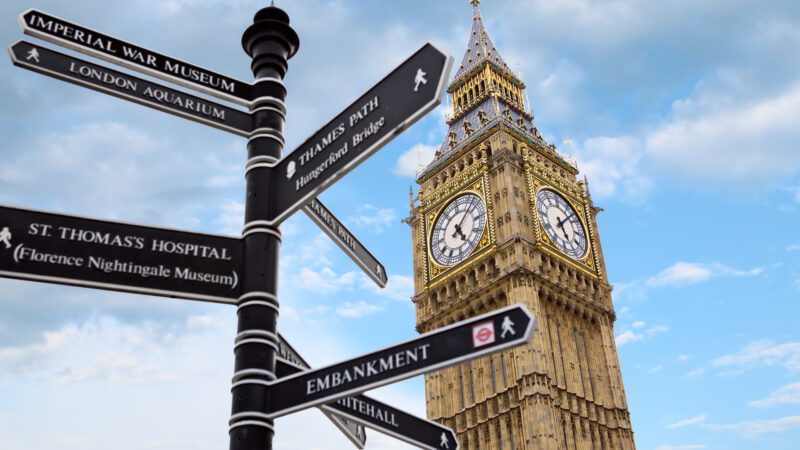
Relevance is everything in marketing, and geomarketing excels at delivering it. A perfectly timed message in the right location can feel serendipitous, like a helpful suggestion rather than an intrusive ad. It’s not just a promotion; it’s a nudge that makes sense at that moment, increasing the likelihood that you’ll act on it.
Innovative, Budget-Friendly Geo-Marketing Ideas
You don’t need a trawler’s budget to dive into geo-location marketing. Here are some creative, affordable strategies to get started.
1. Localised Landing Pages
Landing pages are the digital equivalent of having a shopfront for every neighbourhood. Creating pages tailored to specific locations makes your marketing feel personal and relatable.
Example: A cleaning service could create a landing page titled “Cleaning Services in East London,” featuring reviews from local customers and area-specific tips for tackling hard water stains.
Why It Works: These pages are simple to set up and cost-effective, showing customers that you understand their unique needs and, more importantly, that you cater to customers in their specific area. Someone looking for cleaning services in London is less likely to click on a company advertising in Nottingham when it appears in search engine results.
If you are a Nationwide firm, you are more likely to get listed higher in rankings if you have several landing pages for specific areas than if you have one page covering the whole country.
2. Social Media Ads: Precision at Your Fingertips
Social media platforms like Facebook and Instagram offer powerful location-based targeting. It’s like using a well-aimed spear rather than casting a wide, expensive net. You can tailor ads to specific areas and interests, ensuring your message is as precise as possible.
Example: A pizzeria could target ads to people within a three-mile radius on Friday evenings, offering a family deal on takeaway.
Budget Tip: Start with a small daily budget and test which locations or messages perform best before scaling up.
3. Mobile Promotions with GPS
When someone has their mobile data switched on and searches for a business “near me,” Google uses GPS technology to deliver highly relevant search results based on their current location. It creates a powerful opportunity for geo-marketing. By optimising your business for local search, you can ensure it appears prominently in these location-based results. For example, a restaurant could use geo-targeted keywords and a well-optimised Google Business Profile to appear at the top of the list when someone nearby searches for “lunch spots near me.” This approach not only captures the attention of customers who are physically close but also aligns with their immediate needs, making them more likely to engage. It’s like precision spearfishing, targeting the right customer in the right place at the right time.

4. Partner with Local Businesses
Collaboration can stretch your budget and expand your reach. By teaming up with complementary businesses, you can share costs while introducing your offerings to new audiences.
Example: A bakery and coffee shop could jointly offer morning commuters a “Breakfast Bundle” discount.
Why It Works: Partnerships are like combining forces in a fishing boat, covering more ground together without doubling costs.

5. Leverage Micro-Influencers
Local influencers with engaged followings are a fantastic way to spread the word about your business. These individuals are trusted voices in your community, making their recommendations carry more weight.
Example: A hair salon could invite a local fashion blogger to try their services and share the experience with their audience.
Cost Tip: Offer free services or exclusive perks instead of cash to keep costs manageable.
6. Optimise for Local SEO
A strong local online presence ensures customers can find you easily. Update your Google Business Profile, use area-specific keywords on your website, and encourage positive reviews.
Example: A photographer could blog about “The Best Spots for Engagement Photos in Bristol,” attracting local couples searching for ideas.
Why It Works: This organic approach is like planting seeds in fertile soil; it is low-cost but highly effective over time.
7. Offer Wi-Fi Marketing
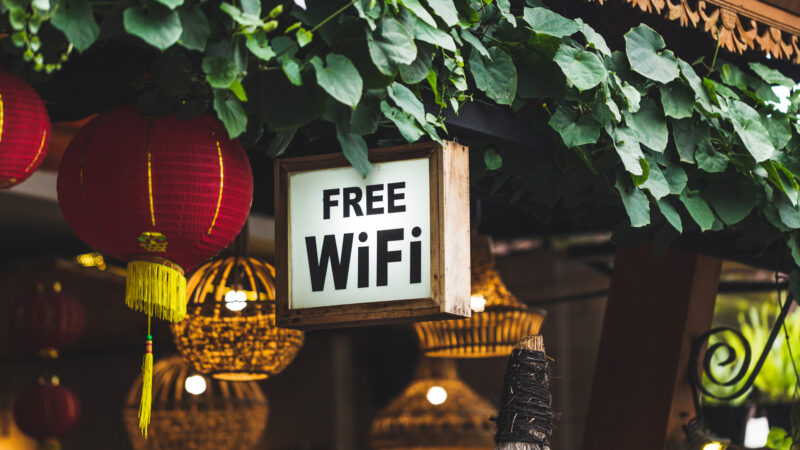
Free Wi-Fi is a simple yet effective way to engage with customers while they’re on-site. Once connected, you can share promotions or collect contact information for future campaigns.
Example: A café could offer Wi-Fi in exchange for signing up to a mailing list, then follow up with location-specific deals.
Budget Tip: Use affordable Wi-Fi marketing tools to automate the process without needing a tech expert.
Balancing Cost with Effectiveness
Like spearfishing, geo-location marketing requires precision. Start small by testing one or two methods, such as social media ads or landing pages, and track what works best. Expand your efforts into more advanced techniques like GPS promotions or partnerships as you gain insights. The key is to refine your approach over time, ensuring every pound spent is maximised for impact.
The Benefits of Geo-Location Marketing
- Relevance. Messages tailored to your audience’s location feel personal and meaningful.
- Efficiency. Focusing on specific areas prevents you from wasting resources on audiences unlikely to convert.
- Customer Loyalty. Personalisation fosters trust and keeps customers coming back.
- Data Insights. Analysing trends by location helps you improve future campaigns.
Best Practices for Success
Respect Privacy. Always comply with regulations like GDPR to build trust and avoid legal pitfalls.
Think Mobile First. Most geomarketing happens on smartphones, so ensure your website and ads are mobile-friendly.
Learn and Adapt. Use the data from each campaign to refine your strategy for even better results.

Key Takeaways
- Be Strategic. Use geomarketing tools to target specific locations with precision.
- Start Small. Affordable strategies like landing pages and local SEO offer a great foundation.
- Collaborate. Partnerships and influencer collaborations can multiply your reach without multiplying your spend.
- Stay Relevant. Tailor messages to the right audience at the right time, turning marketing into meaningful engagement.
- Geo-location marketing combines creativity with precision. By focusing your efforts where they matter most, you can build connections, foster loyalty, and grow your business, all without breaking the bank.
Further Reading
Where to Start with Targeted Marketing
Why Should you Personalise Marketing Emails? Builder
Need help turning this advice into action?
If you are reviewing your website, marketing or online visibility, we can help you work out what to improve first.
Related articles
 Content
How to Explain Complicated Services Simply
If it takes ten minutes to explain what your business does, you may have already lost the customer. Just because you know your profession…
Read article
Content
How to Explain Complicated Services Simply
If it takes ten minutes to explain what your business does, you may have already lost the customer. Just because you know your profession…
Read article
 SEO
Why Sounding Human Again May Be the Future of SEO
Why sounding human again may be the future of SEO. Discover why authentic content, Geo Marketing, and real expertise matter more than ever in…
Read article
SEO
Why Sounding Human Again May Be the Future of SEO
Why sounding human again may be the future of SEO. Discover why authentic content, Geo Marketing, and real expertise matter more than ever in…
Read article
 Content
Why the Same Message Needs to Be Told in Different Ways
There is a quiet myth in business that repeating yourself looks unprofessional. We explore why the same message needs to be told in different…
Read article
Content
Why the Same Message Needs to Be Told in Different Ways
There is a quiet myth in business that repeating yourself looks unprofessional. We explore why the same message needs to be told in different…
Read article
 VideoandWeb.com