What is the Perfect Length for Promotional Videos?
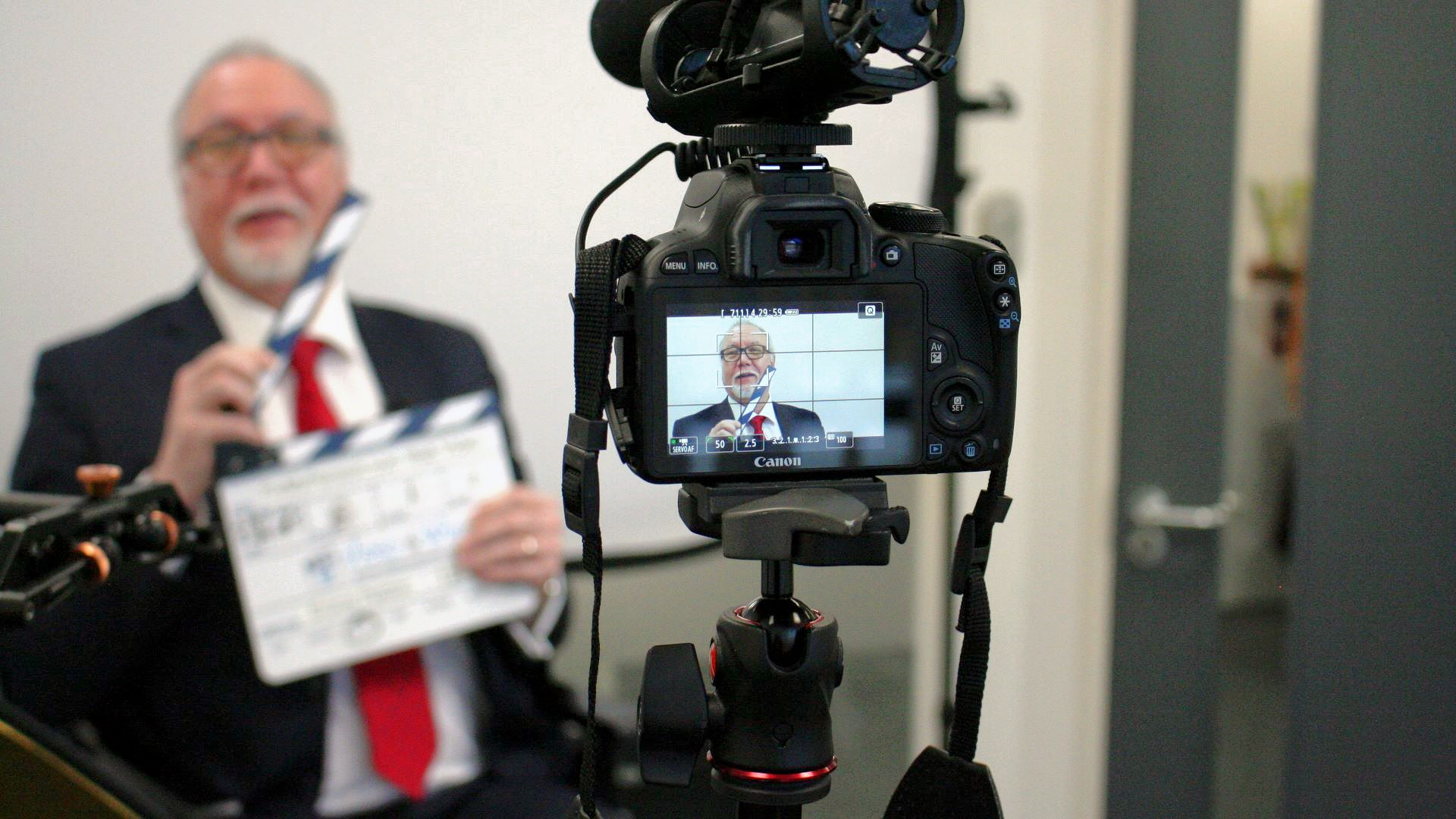 What is the perfect length for promotional videos? Should you keep it short and snappy or opt for a more extended reel?
Why video marketing is important for businesses
As broadband has gotten faster, video marketing has stepped into the limelight as an essential tool for business marketing. With the rise of social media and online platforms, consumers are constantly bombarded with vast amounts of information and advertisements. To capture attention and stand out from the competition, businesses must find innovative ways to engage with their target audience. Video marketing is a great way to do that.
How Can Video Help You Achieve Your Goals?
Videos have proven to be highly effective communication as they can convey a message quickly and effectively while capturing the viewer’s emotions. According to statistics, online videos make up more than 82% of all consumer internet traffic. Here are some of the reasons why video has become such an important part of marketing.
Captures Attention:
One of the main reasons why video marketing is important for businesses is that it can grab people’s attention. The human brain processes visual content faster than text or images, so videos can quickly capture viewers’ attention and keep them engaged. With shorter attention spans and an abundance of content available online, businesses need something eye-catching to stand out from the crowd – and videos do just that.
Increases Brand Awareness:
Another significant benefit of using video marketing is that it helps increase brand awareness. Videos are highly shareable on social media platforms, making them a powerful tool for reaching a wider audience. With the potential to go viral, videos can help businesses gain exposure and reach new potential customers. Moreover, videos allow businesses to showcase their brand’s personality, values, and unique selling points – helping them establish a stronger and more memorable brand identity.
Boosts Engagement
Videos are a great way to increase engagement with your target audience. They are more interactive than other forms of content, allowing viewers to like, comment, and share the video – creating a sense of community around your brand. Moreover, videos also can evoke emotions in viewers, making them more likely to remember and share the content with others.
Improves SEO
Search engines love videos as they keep visitors on a website for longer periods. This signals search engines that the website has valuable content that can improve its search results ranking. By incorporating relevant keywords and optimizing video titles and descriptions, businesses can increase their chances of appearing on search engine results pages (SERPs).
Increases Conversions
Ultimately, video marketing can lead to increased conversions for businesses. According to HubSpot, 72% of consumers prefer watching a video over reading text when learning about a product or service. Additionally, including a video on a landing page can increase conversion rates by up to 80%. By showcasing a product or service in action, businesses can build trust and credibility with their audience – making them more likely to convert into paying customers.
 The psychology behind video length and viewer engagement
The length of a promotional video can greatly impact its success in engaging viewers. As technology advances, attention spans are becoming shorter, and the competition for viewers’ attention is increasing. Therefore, it is essential to understand the psychology behind video length and its effect on viewer engagement.
Cognitive load is one of the primary psychological factors that influence viewer engagement with videos. It refers to the amount of mental effort or resources required for an individual to process information. Viewers have a limited capacity for processing information when watching a video, and if this limit is exceeded, they may become overwhelmed or disengaged.
So, how does video length play into this? Research has shown that shorter videos are more likely to capture and maintain viewers’ attention than longer ones. Short videos require less cognitive load as they present information in a digestible format that our brains can easily process. On the other hand, longer videos tend to overwhelm viewers with too much information, leading to reduced engagement or even abandonment of the video.
Another important aspect of the psychology behind video length and viewer engagement is human curiosity. Humans are naturally curious beings drawn towards novelty and new experiences. Shorter videos often use techniques such as teasers or cliffhangers that leave viewers wanting more, thus triggering their curiosity and motivating them to continue watching until the end.
Moreover, research has also found that emotions play a significant role in capturing and maintaining viewer attention. Shorter videos evoke stronger emotional responses from viewers, leading to increased engagement. Shorter videos are more likely to focus on a specific emotion or message, making it easier for viewers to connect with the content.
In today’s digital age, viewers can access vast content at their fingertips. As a result, they are less likely to commit to watching a longer video when there are other shorter options available. This is particularly true for promotional videos competing for attention against other forms of online content, such as social media posts or articles.

Other Factors to consider when determining video length
Some other factors should also be considered to determine the perfect length for your promotional video.
Target Audience
Understanding your target audience and their viewing habits will help you decide on an appropriate duration for your video. For instance, if your target audience consists of younger audiences who are used to consuming short-form content on social media platforms like Instagram or TikTok, then a shorter duration would be more effective in capturing their attention. On the other hand, if your target audience comprises older individuals who prefer longer and more detailed content, then a longer duration may be suitable.
Platform
Different platforms have varying ideal lengths for videos. For example, viewers are accustomed to watching longer videos ranging from 5-15 minutes on YouTube or Facebook. In contrast, shorter videos are preferred for 30 seconds or less on Twitter or Snapchat. Some platforms even restrict the length of the video that can be uploaded. Therefore, understanding which platform to use to distribute your promotional video is essential in determining its length.
Purpose
The goal and message you want to convey through the video should also affect the duration. For instance, a shorter video with the highlights and key features may be more effective if you want to introduce a new product or service. However, if the purpose of your video is to educate or inform viewers about a complex topic, a longer duration may be necessary to convey the information effectively.
Attention Span
In today’s fast-paced world, attention spans are shrinking, especially when consuming online content. According to research, the average human attention span decreased from 12 seconds in 2000 to 8 seconds in 2019. So, you have a limited time frame to grab and retain the viewer’s attention. Therefore, it is essential to keep your promotional video concise and engaging.
 Call-to-Action
Your promotional video should always end with a call-to-action (CTA) that prompts viewers to act like visiting your website or making a purchase. The length of your video should allow enough time for the CTA without making it feel rushed or forced.
Examples of successful promotional videos with varying lengths
Different lengths of video can work effectively for different types of videos and target audiences. To give you a better idea, here are some examples of successful promotional videos with varying lengths:
1. Short and Snappy (15 – 30 seconds)
Short and snappy videos are perfect for grabbing attention quickly. These videos typically have minimal dialogue or text but rely heavily on visuals and music to convey the message.
2. Concise (1 – 2 minutes)
Concise promotional videos aim to quickly provide all the necessary information about a product or service. These videos often use voiceovers and graphics to explain complex concepts quickly.
3. In-depth (3 – 5 minutes)
In-depth promotional videos allow for more storytelling and showcase the brand’s values, mission, and unique selling points. These longer videos often feature interviews, testimonials, or behind-the-scenes footage to engage viewers on a deeper level. A fantastic example is Dove’s “Real Beauty Sketches” which tackles the issue of self-esteem and body image in a powerful and emotional five-minute video.
4. Live-streamed (10 – 30 minutes)
Live-streamed promotional videos have become increasingly popular, especially on social media platforms like Facebook and Instagram. These videos can range from product demos, Q&A sessions, or behind-the-scenes footage to engage with the audience in real time.
5. Series (Varies)
Promotional video series are an effective way to keep the audience engaged over an extended period. These videos can vary in length, depending on the concept and target audience. A great example is Airbnb’s “Experiences” series, which features short documentaries showcasing unique travel experiences around the world.
In conclusion, there is no one-size-fits-all approach when it comes to the length of a promotional video. It ultimately depends on your target audience, message, and goals. However, these examples show that as long as your video effectively communicates your brand’s message, it can succeed regardless of length.
Further Reading
7 Great Ways To Use Videos On Social Media
How To Develop A Brand House Style
Need help turning this advice into action?
If you are reviewing your website, marketing or online visibility, we can help you work out what to improve first.
Related articles
 Content
Why the Same Message Needs to Be Told in Different Ways
There is a quiet myth in business that repeating yourself looks unprofessional. We explore why the same message needs to be told in different…
Read article
Content
Why the Same Message Needs to Be Told in Different Ways
There is a quiet myth in business that repeating yourself looks unprofessional. We explore why the same message needs to be told in different…
Read article
 SEO
How to Get Your Website to the Front of the Crowd
Creating a website today without SEO, social media, or any marketing at all is a bit like standing at the back of the O2…
Read article
SEO
How to Get Your Website to the Front of the Crowd
Creating a website today without SEO, social media, or any marketing at all is a bit like standing at the back of the O2…
Read article
 Social Media
Is Your Social Media Channel a Dead Fish?
A dead fish in the digital sea. Unappetising. Uninviting. Completely avoidable. Is your social media channel a dead fish? If so, read what you…
Read article
Social Media
Is Your Social Media Channel a Dead Fish?
A dead fish in the digital sea. Unappetising. Uninviting. Completely avoidable. Is your social media channel a dead fish? If so, read what you…
Read article
 VideoandWeb.com