← Website Design for Construction and Building Companies
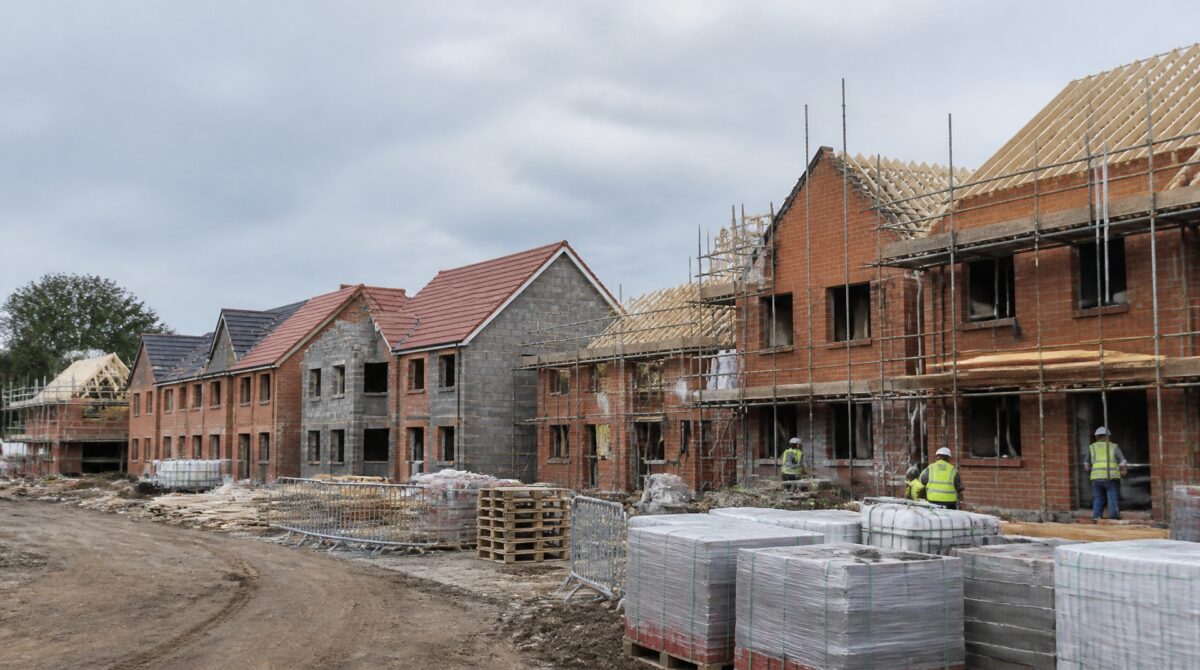
A construction company’s website should immediately reflect the type of projects it wants to attract.
Getting found on Google is one thing. Turning visitors into customers is another. SEO helps people discover your business, but once they arrive on your website, it’s the content, design and overall experience that convince them to enquire.
Think of your website as your shop window. People should immediately recognise the kind of building company you are and feel confident that you’re right for their project.
Here are ten things worth checking.
1. Your homepage doesn’t reflect the work you want
Ask yourself what work you actually want. You may offer several services, but which projects do you undertake most often? Where does your experience lie?
Your homepage should reflect that. A large construction company specialising in housing developments might feature a striking photograph of houses under construction. A local extension builder would benefit from showing beautifully finished homes.
The right images and presentation immediately reassure visitors that they’ve arrived at the right place.
2. Customers can’t tell where you’re based
For smaller building projects, location matters. Homeowners are understandably concerned that travelling costs could make a quotation more expensive. They often want reassurance that their builder is based nearby.
Larger commercial contractors may compete across a much wider geographical area, where location is less important than expertise and price.
Make your location and working area clear, but present them in a way that suits the projects you want.
3. Your photographs send the wrong message
Photographs communicate more than the quality of your workmanship. A cluttered building site or poorly presented finished project can suggest a disorganised business, even when the work itself is excellent.
Choose images that reflect your professionalism. Good lighting, tidy surroundings and attention to detail all help create the right impression.
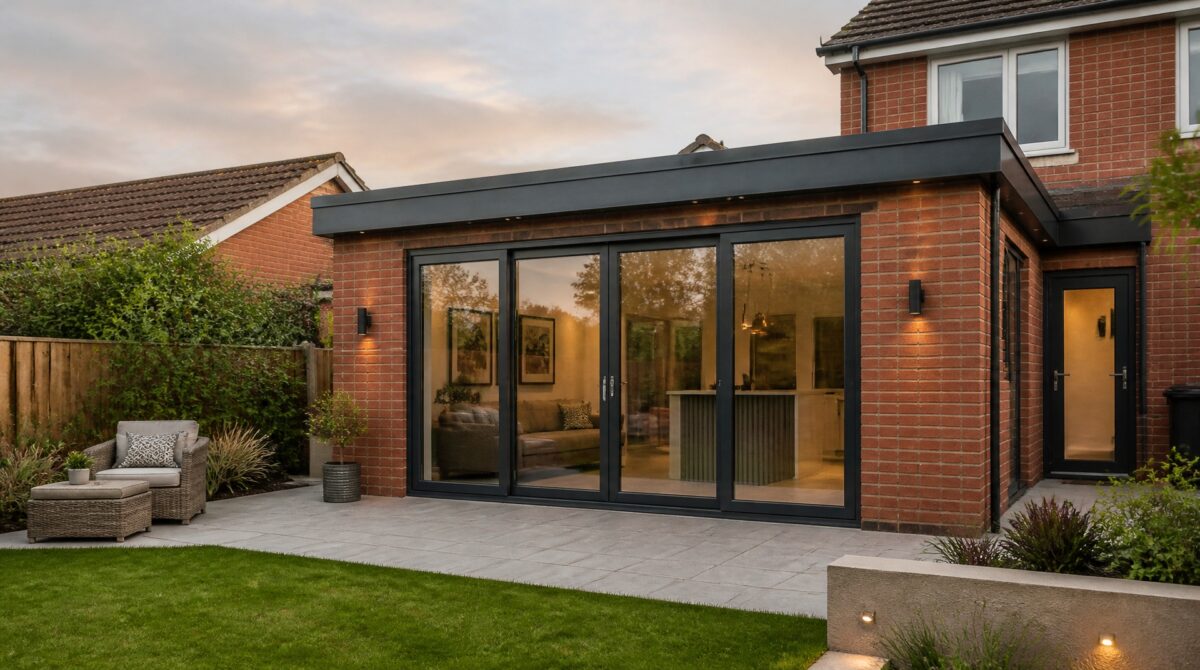
A straightforward enquiry process and prompt communication can make a significant difference when customers are choosing a contractor.
4. Your project photographs have no explanation
A photograph shows what you’ve built, but words help visitors understand what you’ve achieved.
Give projects descriptive titles and explain the work involved. Mention unusual challenges, specialist materials or particular requirements.
Those descriptions also give search engines more useful information about your expertise, helping your website become relevant to a wider range of searches.
5. Your credentials aren’t providing reassurance
Accreditations, training certificates and professional memberships communicate important messages about your business. They suggest that you take your responsibilities seriously, understand relevant safety requirements and have invested in developing your skills.
Display genuine, current credentials where visitors can easily find them. Explain what they mean rather than relying on unfamiliar badges alone.
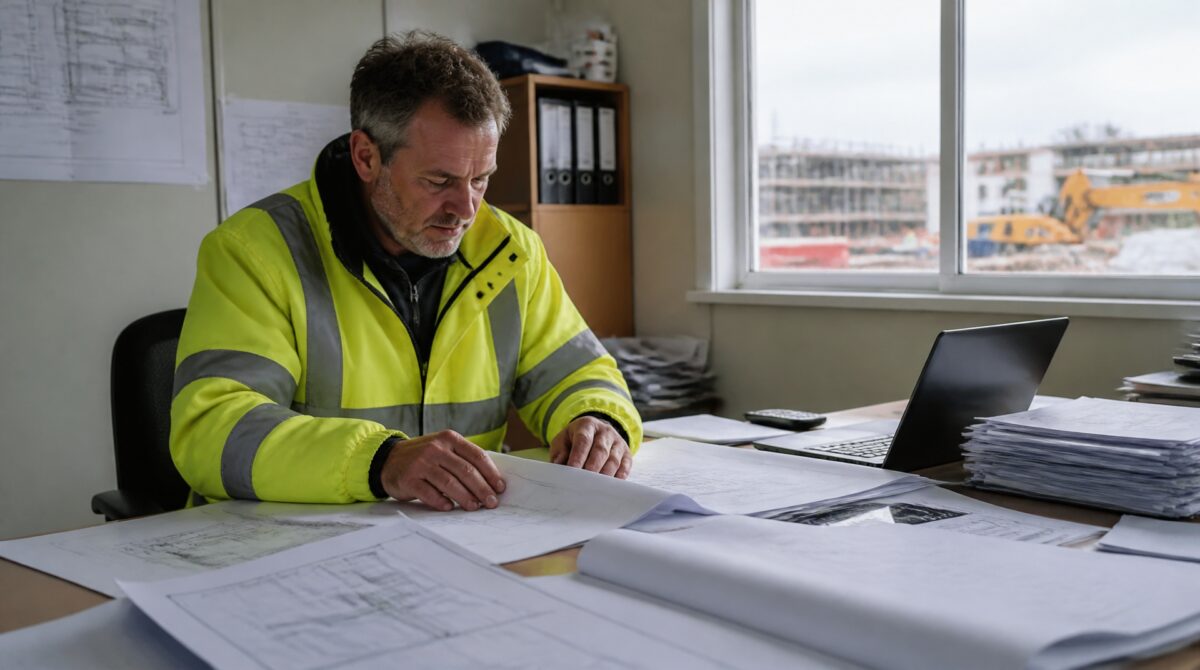
Professional presentation and evidence of experience help prospective customers feel confident about a construction company.
6. Visitors don’t know whether you’ll respond
Few things are more frustrating than contacting a contractor and hearing nothing back. Customers understand that good builders are busy. They may even be happy to wait several months for the right company, provided they know what to expect.
If you respond promptly to enquiries, say so. If you’re booking projects for next spring, consider explaining that too. A realistic indication of availability can be more reassuring than silence.
Of course, only promise response times you can consistently achieve.
7. Your website doesn’t make the next step clear
Someone considering a building project may not be ready to request a formal quotation. They might simply want to establish whether you’re interested in the work. Explain how your enquiry process works. Will you arrange a telephone conversation, request photographs or organise a site visit?
Making the first step clear helps customers approach you with confidence.
8. Your website is difficult to use on a mobile
According to Ofcom’s 2025 Online Nation report, UK adults spent approximately 77% of their personal online time on smartphones.
Imagine someone viewing your website while standing on a crowded London Underground train. Can they read the text, navigate the pages and find your telephone number using one hand? If not, the experience needs improving. Mobile usability isn’t an optional extra.
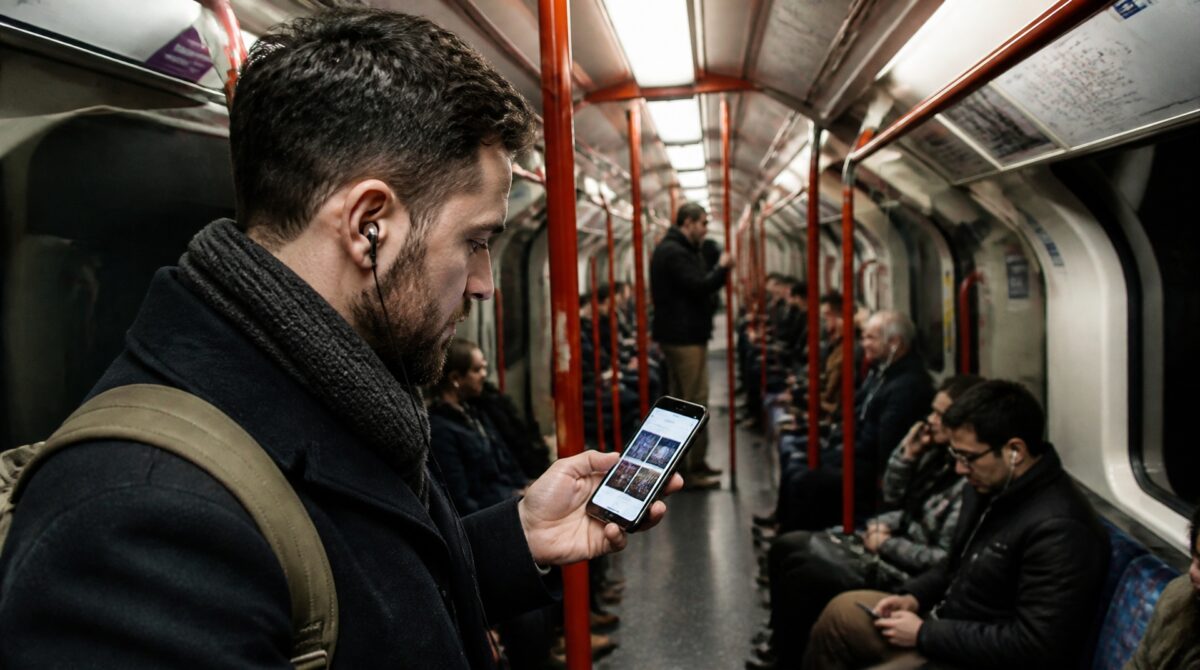
A website should be easy to navigate and read, even when someone is travelling and using their phone with one hand.
9. Your contact form asks too much
Contact forms are an art in themselves. Naturally, you want enough information to assess a potential project, but asking visitors to complete a lengthy questionnaire before you’ve established whether you can help creates unnecessary friction.
Start with the essentials: their name, contact details, location and a brief description of the work.
You can send a follow-up link requesting plans, photographs and detailed requirements once you’ve established that the project is suitable.
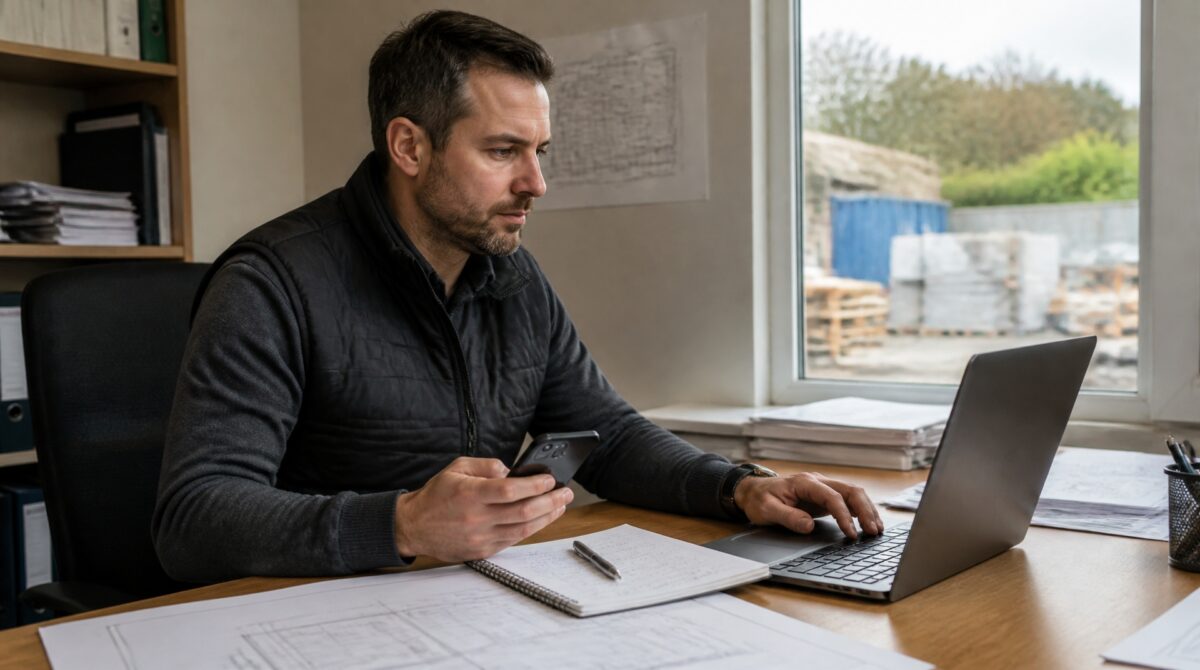
A straightforward enquiry process and prompt communication can make a significant difference when customers are choosing a contractor.
10. Your website hasn’t kept up with your business
Your website shouldn’t be a static brochure. It’s a shop window that needs to change as your business develops.
Perhaps you’ve moved into larger contracts, gained new accreditations or developed a particular specialism. Your website should reflect those changes.
Regularly updating your services and project examples helps prospective customers see the company you are today, not the one you were five years ago.
Getting found is only half the job
There’s little value in attracting hundreds of website visitors if none of them become a customer. SEO and search visibility bring people to your website. Good design, relevant content and a straightforward enquiry process help turn that interest into business.
The best construction websites do both, attracting the right visitors and giving them the confidence to get in touch.
 VideoandWeb.com