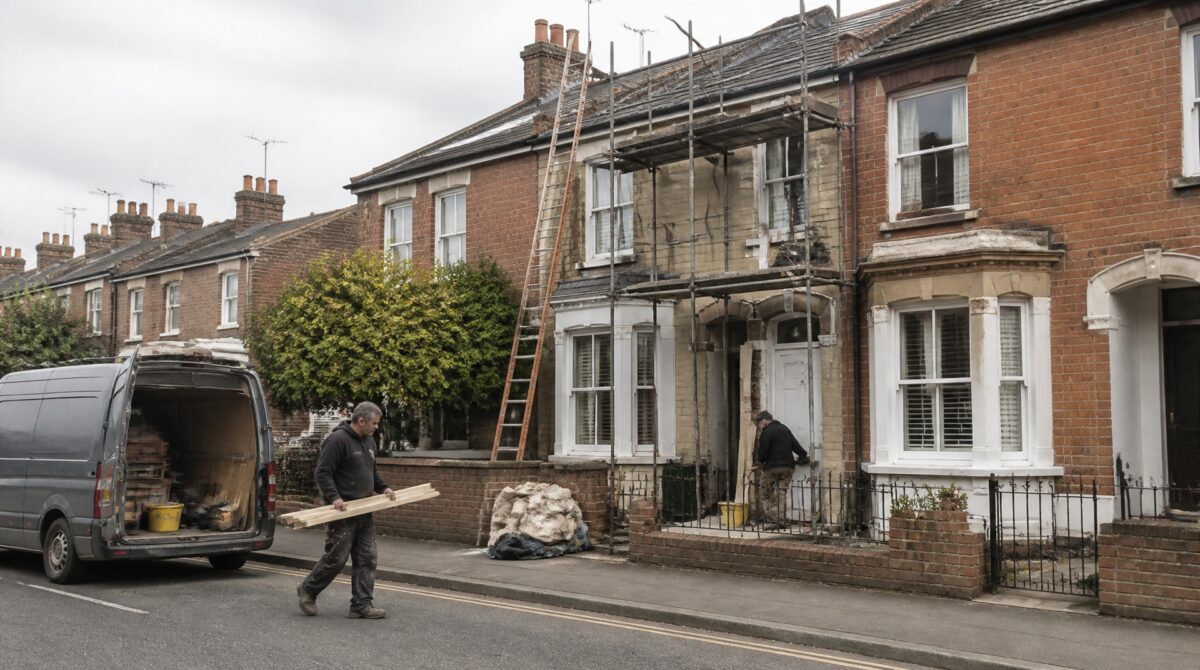
Construction businesses undertake projects of different sizes, making the right type of work just as important as the location.
Construction is a broad industry, with businesses ranging from local tradespeople to specialist contractors working nationwide. The challenge isn’t simply finding customers; it’s attracting projects that match the company’s capabilities and ambitions. A busy order book isn’t necessarily profitable, especially when the work involves extensive travel or falls outside the areas where the business wants to grow.
At Video & Web, we believe effective marketing begins with understanding those commercial realities. We develop websites with straightforward publishing tools that let contractors share their own projects without needing technical knowledge. Specialist landing pages help attract suitable enquiries, while coordinated SEO and social media activity put the business in front of the customers it wants to reach. Everything works together around a strategy designed to help the company become known for the work it wants to win.
Attract the Right Work in the Right Places
Geographical coverage isn’t always a straightforward question of distance. A specialist installation 200 miles away might justify the journey, while a small repair in the same location would make little commercial sense. Some contractors undertake routine work locally but travel much further for substantial projects, making it difficult to describe their service area with a simple geographical boundary.
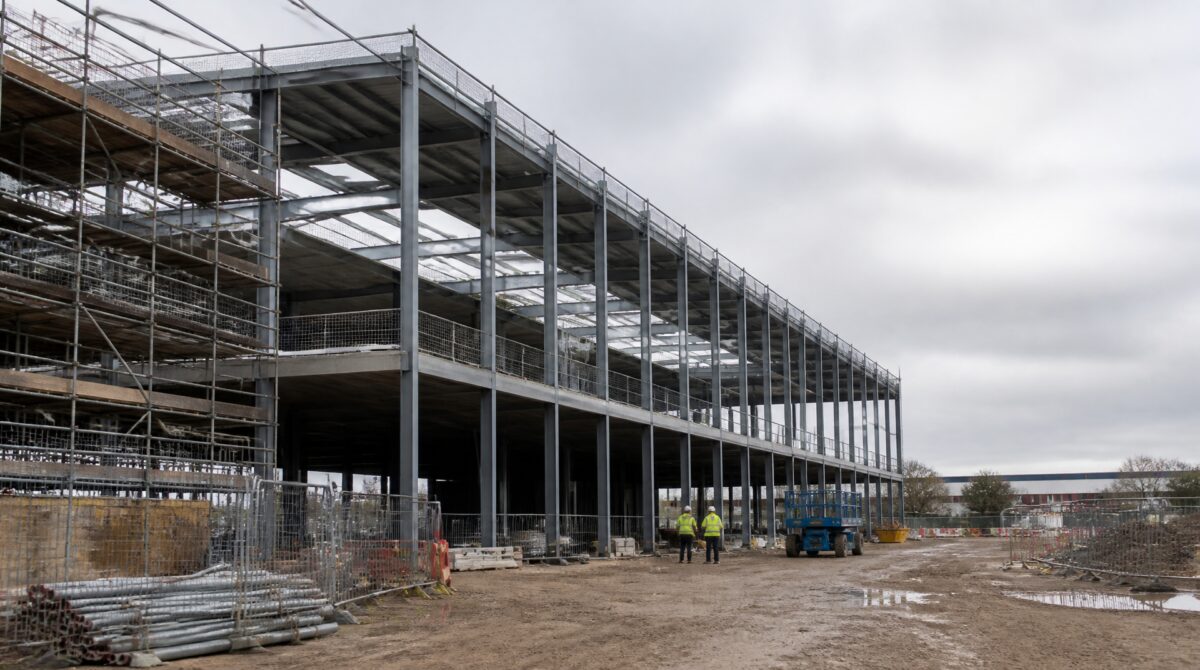
Larger commercial projects can justify travelling further, making geographical marketing more complex than a simple service area.
A well-planned website can accommodate these differences. Dedicated landing pages can address particular services and markets, while geographical search optimisation helps the business become visible in the areas where it wants to work. Explaining the types and scale of projects undertaken also helps potential customers assess whether the company is a good fit before contacting them.
Make Your Specialist Knowledge Easier to Find
Years of practical experience often give construction businesses valuable expertise that their websites don’t immediately show. For example, a contractor specialising in heritage restoration may understand the challenges of working with traditional materials, yet that knowledge can remain buried in a general list of building services.
Giving specialisms their own pages creates room to explain why that experience matters. Instead of simply stating that a service is available, the company can address prospective customers’ concerns and show its understanding of the work involved. Useful, well-organised content also helps Google and AI-powered search systems recognise the business’s areas of expertise, particularly when the explanations draw on genuine experience.
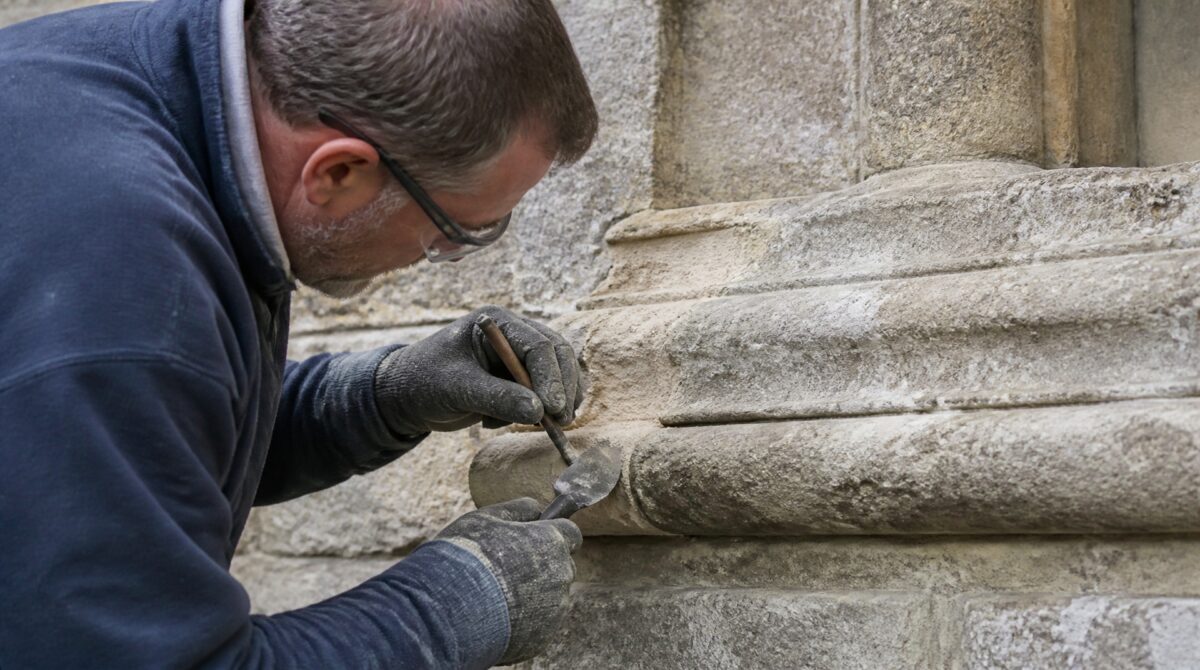
Specialist building work often depends on years of practical experience and knowledge of traditional materials.
Give Customers Reasons to Trust Your Business
Choosing a contractor can be difficult, especially for customers with little experience commissioning building work. The industry’s reputation suffers from unreliable operators, and a polished advertisement offers no guarantee of competent workmanship. Customers need more substantial evidence to base their decisions on.
A well-developed website can reassure customers with genuine testimonials and independently verifiable reviews. Recognised accreditations and relevant trade association memberships can also help, provided the credentials are current and clearly presented. Rather than expecting visitors to accept broad claims about quality, the business gives them opportunities to check its credentials.
Case studies add further credibility by showing how the company approaches real projects. Photographs, paired with an explanation of the work, let prospective customers recognise experience relevant to their own requirements.
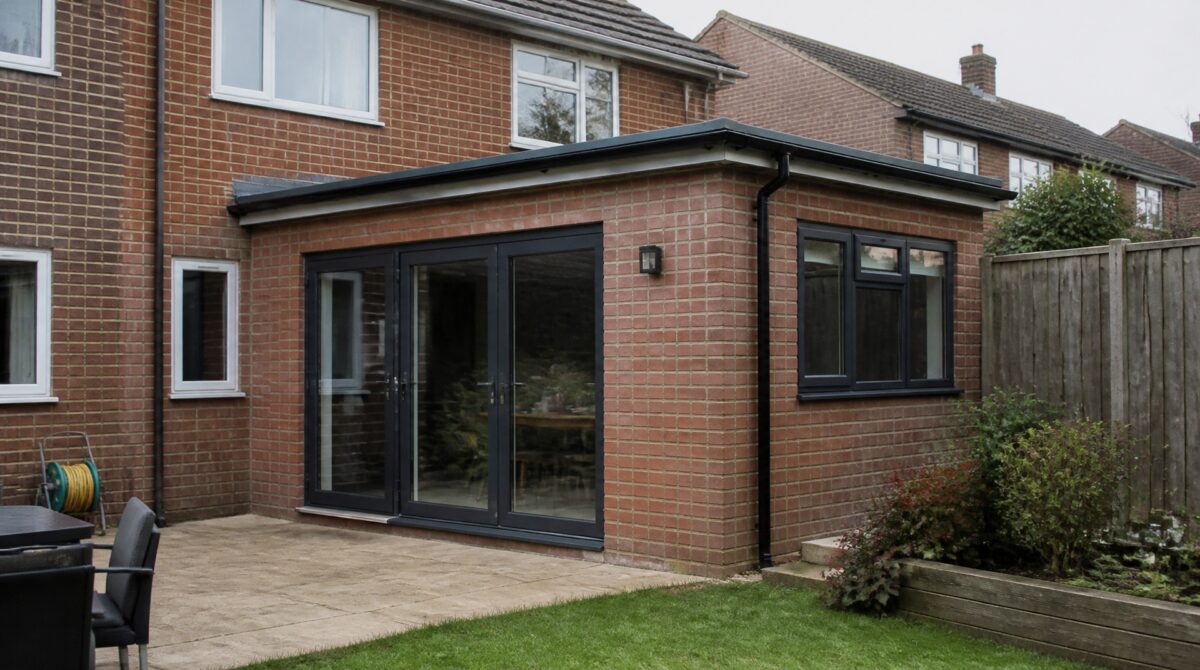
Photographs of completed projects help prospective customers assess a contractor’s experience and workmanship.
Make Sharing Completed Work as Easy as Posting on Facebook
Most contractors already have a camera in their pocket, and taking photographs of work in progress or a finished project has become second nature. Getting those photographs onto a website, however, can be a different matter. Complicated editing systems discourage updates, leaving valuable examples of recent work hidden on phones or in project folders.
Part of Facebook’s appeal to service businesses has always been its simplicity. Someone can take a photograph, add a few words and share it without needing technical knowledge. There’s no reason why maintaining a company’s own website should be unnecessarily complicated.
A well-designed publishing system can make adding photographs to galleries or sharing project updates almost as straightforward. Simple editing controls let staff contribute confidently, while the underlying design stays protected from accidental changes.
Publishing on the company’s own website also gives the material a lasting home. Social media posts quickly disappear down a timeline, whereas a project gallery becomes part of a permanent portfolio that customers can explore whenever they need a contractor. Professional photography and video can enhance important projects, but everyday updates should be manageable for the people doing the work.
Advertising Has Changed, but the Principle Hasn’t
Construction businesses have always needed to make themselves visible to prospective customers. Trade publications and local newspapers once provided familiar advertising opportunities, with editorial features offering another way to demonstrate experience. Although those channels still have their place, customers increasingly turn to Google and social media when looking for contractors.
The principle remains much the same, but businesses now have more opportunities to reach particular audiences. LinkedIn can help specialist contractors connect with commercial property professionals, while Facebook allows local building businesses to remain visible to homeowners in their area.
Sharing completed work and useful information through these channels introduces the business to people who might not otherwise encounter it. Interested visitors can then explore the company’s experience on its website, where the information stays accessible long after the original social media post disappears.
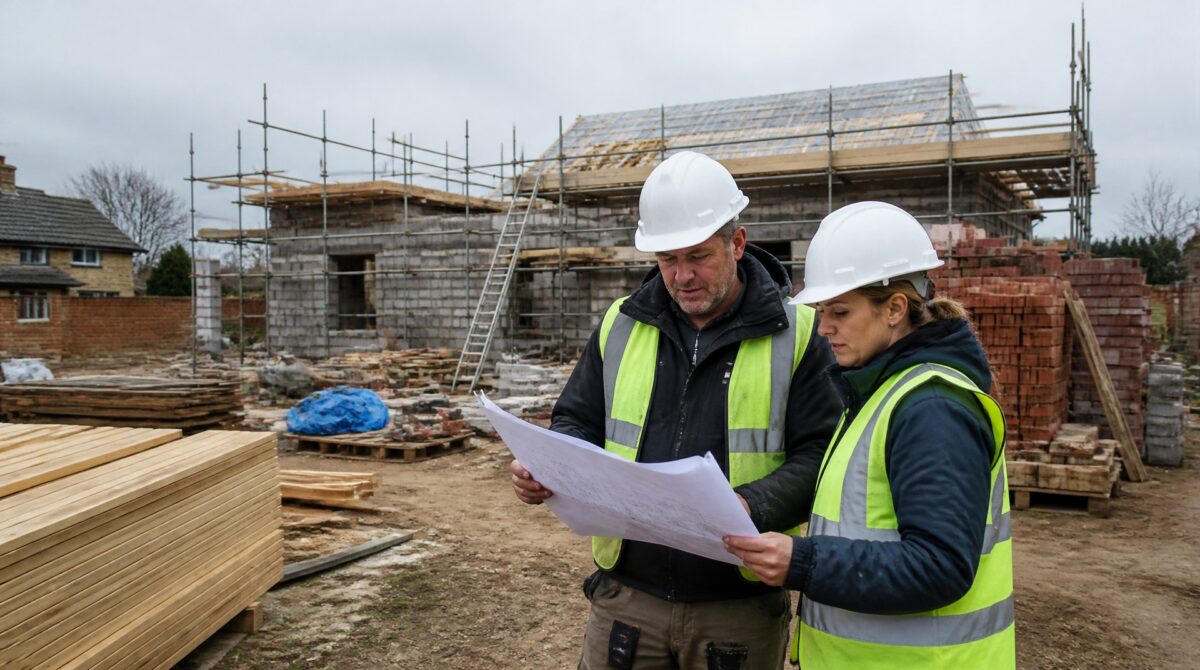
Reaching the right customers begins with understanding the projects a construction business wants to undertake.
Keep Marketing Moving While the Work Gets Done
Construction businesses are often at their busiest when they have the least time to promote themselves. Project demands naturally take priority, and website updates can slip down the list even when there’s plenty of worthwhile material to share. Over time, the company’s online presence may stop reflecting the work it actually undertakes.
Making the website easier to update helps address part of that problem, although not every business wants to manage its own marketing. An in-house marketing team is rarely practical for smaller contractors, yet maintaining a professional digital presence requires skills the business may not have.
Ongoing support offers an alternative, bringing together website management and content development with coordinated social media activity. Instead of hiring dedicated marketing staff, businesses can access the expertise they need through flexible arrangements that match their resources and objectives.
The level of involvement can also suit on-site demands. Some contractors are happy to publish their own photographs and updates, while others prefer to hand over more of the responsibility. Either approach can keep the company’s online presence current without allowing marketing to become another burden on an already busy working day.
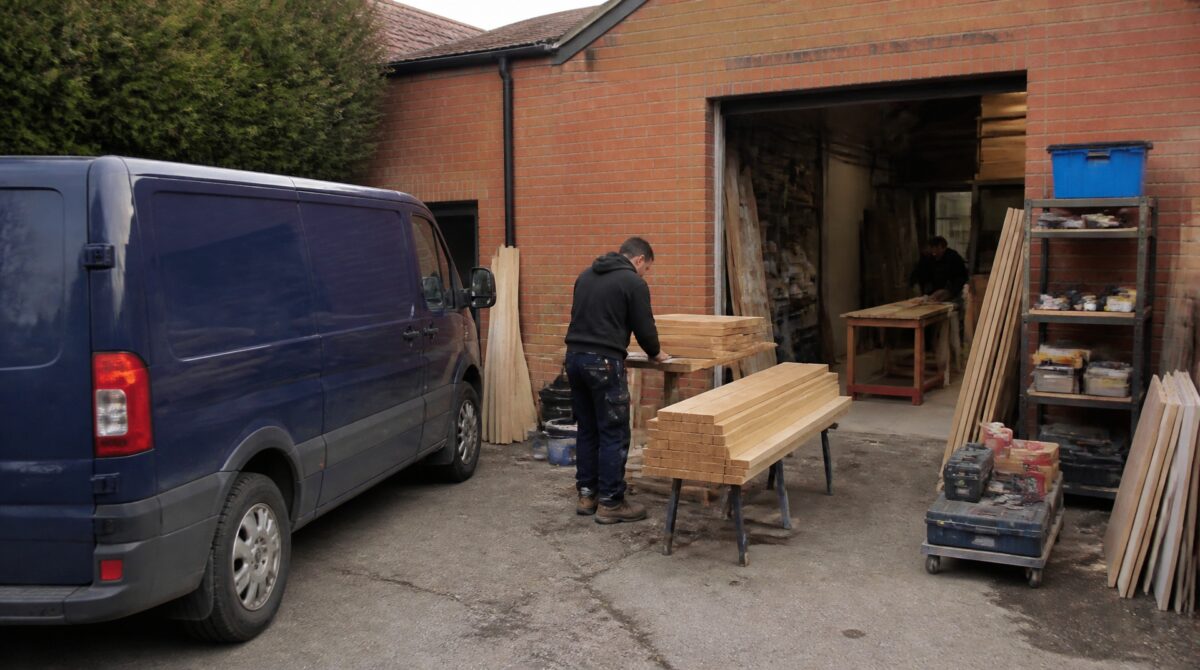
Smaller building companies need marketing that fits around the practical demands of running the business.
Build Your Marketing Around the Work You Want
As a construction business develops, its priorities may change. A company might decide to pursue larger contracts or concentrate on a particular specialism, perhaps extending its geographical reach as its reputation grows. Marketing should support those ambitions rather than simply reflect the work the company has undertaken in the past.
At Video & Web, we start by understanding how a business operates and where it wants to go. That knowledge shapes the website and its content, while the wider digital marketing strategy helps bring the company’s expertise to the attention of suitable customers. Each element supports the same objectives, giving the business a consistent approach as its priorities develop.
A successful construction website should make everyday marketing more manageable while helping the business establish the reputation it wants. More importantly, it should encourage enquiries that lead to worthwhile projects and support the company’s future direction.
10 Reasons Your Building Company Website Isn’t Winning Enquiries
Getting found on Google is one thing. Turning visitors into customers is another. SEO helps people discover your business, but once they arrive on your website,…
Read more VideoandWeb.com