
A surgeon’s professional identity is about more than the procedures they offer.
Visit a handful of plastic surgery websites, and you’ll soon recognise the familiar ingredients: impressive qualifications, procedure descriptions, patient testimonials and before-and-after photographs. Much of this information is useful, but it doesn’t always help patients understand how surgeons differ.
Two highly experienced plastic surgeons might both offer facelifts, eyelid surgery and breast procedures, yet have very different professional backgrounds and approaches to treatment. Their websites can look remarkably similar, even when their practices are anything but.
The similarity in services offered creates a particular challenge for plastic surgeons. Patients need reliable information about procedures, but they’re also choosing an individual surgeon whose judgement, experience and manner will shape their treatment.
A Procedure Page Can Only Tell Part of the Story
A patient searching for blepharoplasty may find dozens of websites explaining what the procedure involves. The descriptions often cover similar ground, from the surgical technique to recovery times and potential complications. Less apparent is how an individual surgeon approaches the procedure. Their experience in reconstructive surgery, understanding of facial anatomy, or particular aesthetic philosophy can shape how they assess patients and recommend treatment.
These differences deserve attention. Rather than relying on standard descriptions, a website can use blogs, videos, and other content to explain the thinking behind the surgeon’s approach, helping patients understand what makes their experience relevant to the treatment they’re considering.
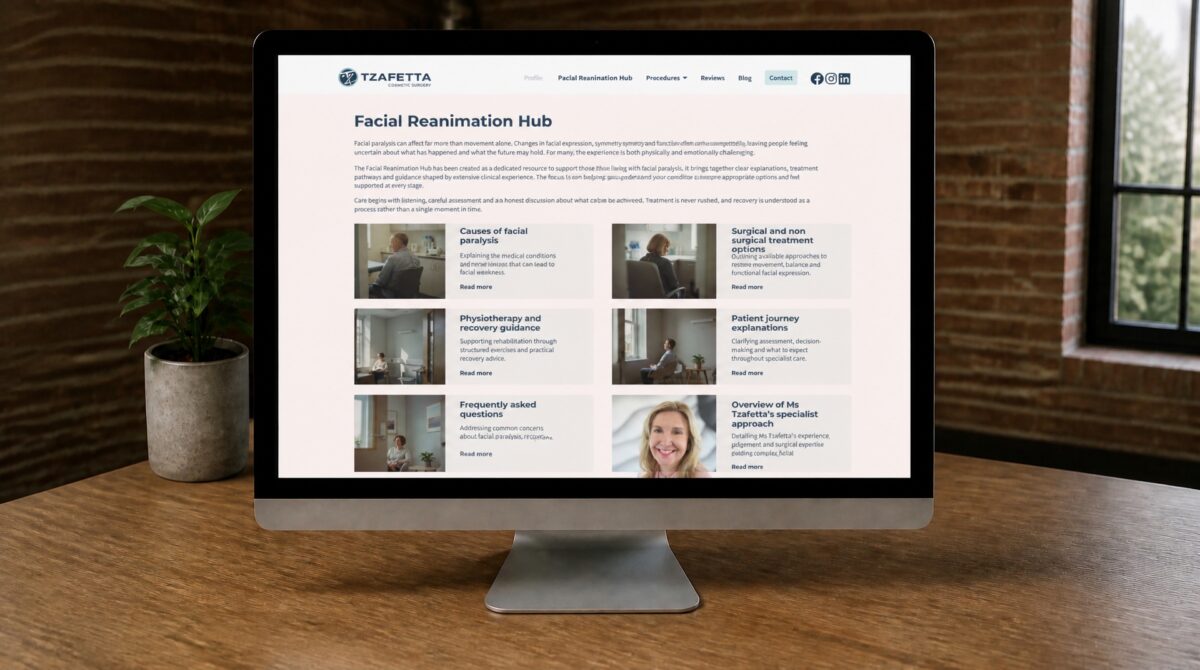
A specialist website can give prominence to complex areas of surgical expertise and the information patients need.
Different Patients Need Different Routes Through Your Website
Not everyone arrives at a plastic surgery website knowing which procedure they want. Some patients have researched a particular treatment extensively, while others are looking for help with a concern but don’t yet know what options might be available.
A patient considering cosmetic eyelid surgery may approach the website very differently from someone seeking treatment for a functional problem or a complication following previous surgery. Both may ultimately need similar expertise, but their questions and priorities won’t necessarily be the same.
To serve such a diverse user base, website structure is particularly important. Procedure pages have their place, but information organised around patient concerns can provide another useful route. Clear navigation should help visitors explore their options without suggesting a particular treatment is automatically the right answer.
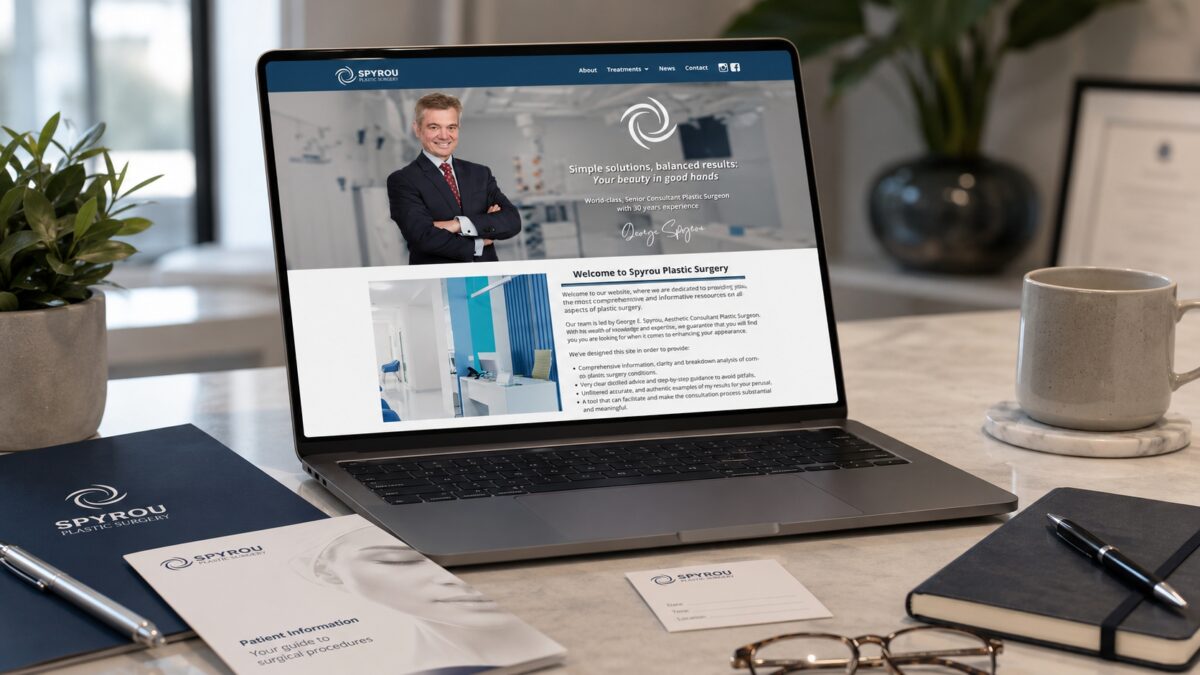
A different visual identity and presentation can reflect another surgeon’s professional approach and practice.
Before-and-After Photographs Don’t Tell the Whole Story
Before-and-after photographs are an important part of many cosmetic surgery websites. They allow prospective patients to see examples of a surgeon’s work, but they can also encourage comparisons that overlook how individual every surgical outcome is.
Consider facial surgery. A surgeon doesn’t assess a nose, eyelid or jawline in isolation. They consider how the features relate to one another, the underlying anatomy and how the face moves and changes expression. Two patients seeking the same procedure may require very different approaches because their starting points differ.
A photograph captures a result at a particular moment, but it cannot fully communicate the assessment behind the surgery or how the outcome looks in everyday life. Healing also varies between patients, and even a carefully documented result can’t set expectations for another person.
This need for clarification creates an opportunity for more thoughtful website content. Rather than letting photographs speak for themselves, a surgeon can explain the considerations involved in treatment planning, the limitations of particular procedures, and why an apparently similar concern may require a different solution.
Presented in this way, before-and-after photography becomes part of a wider educational resource rather than simply a gallery of results. It helps prospective patients appreciate the surgeon’s judgement while developing more realistic expectations of what surgery might achieve.
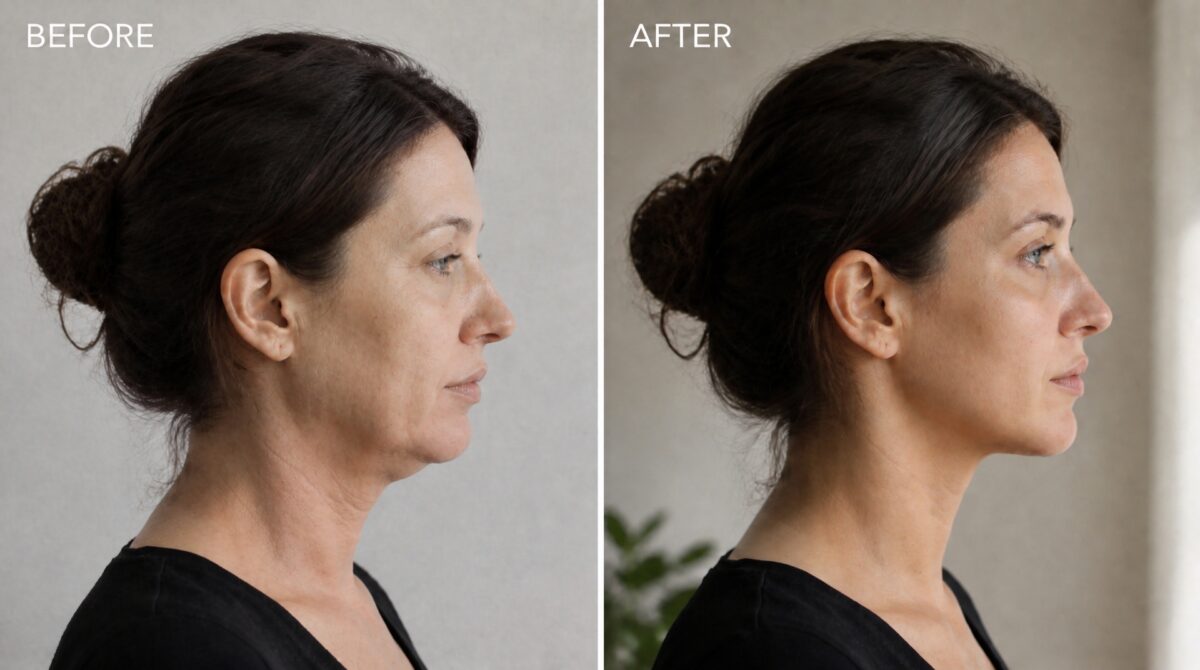
Before-and-after images can illustrate visible changes, but they cannot explain the individual assessment behind a surgical decision.
Letting Patients Get to Know the Surgeon
Qualifications and professional memberships provide essential reassurance, particularly when patients are comparing surgeons. Yet an impressive career history doesn’t necessarily convey what it feels like to sit opposite that surgeon in a consultation.
Some surgeons have a naturally reassuring manner, while others communicate through detailed, direct explanations. A website should reflect that individual personality rather than imposing a generic image of what a cosmetic surgery practice ought to look like.
Professional photography and carefully produced video can make a considerable difference. Hearing a surgeon discuss their approach to patient assessment, explain why they sometimes advise against surgery, or describe their recovery priorities can offer insights a conventional biography cannot.
The objective is familiarity, not manufactured intimacy. Patients should recognise the person they meet in consultation from the professional they encountered online.

Video allows prospective patients to hear a surgeon explain their approach and become familiar with their communication style.
Building a Private Practice Around Your Professional Interests
A surgeon’s clinical experience may cover a broad range of procedures, but that doesn’t mean every treatment should receive equal attention in their private practice marketing.
Some surgeons want to develop specific areas of aesthetic surgery, while others want to increase visibility for specialist work that prospective patients may struggle to find. The website should reflect those ambitions without overstating expertise or obscuring the practice’s full scope.
This is an area where strategy becomes particularly valuable. Search visibility, educational articles and the prominence given to different procedures can all support the direction in which the surgeon wants to develop their private work.
The website also provides a permanent home for specialist knowledge. Unlike social media posts that quickly lose visibility, well-developed resources can keep helping patients and attract relevant enquiries over time.
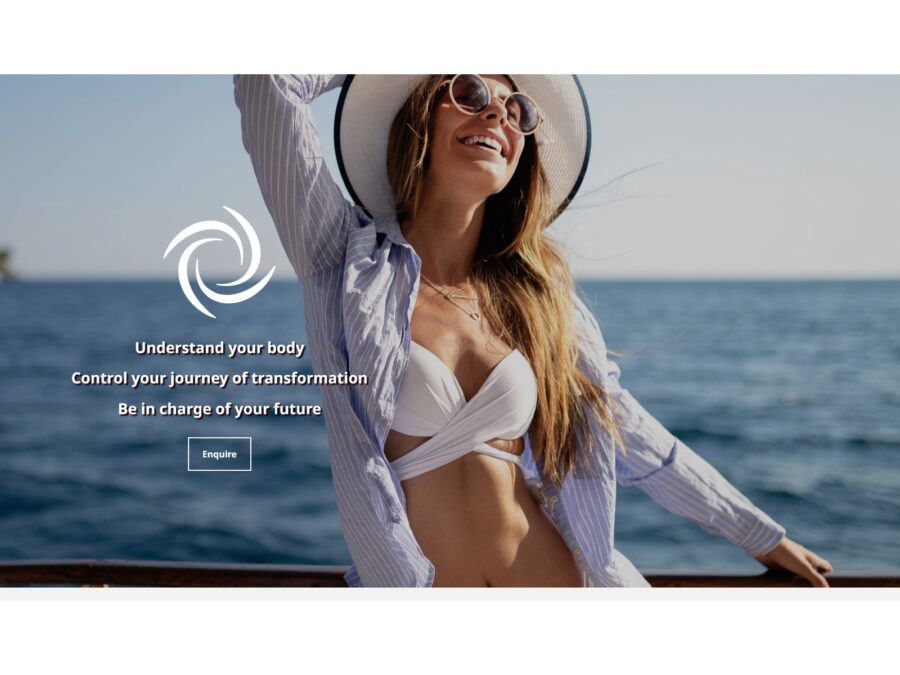
A plastic surgeon’s website can communicate a distinctive approach through its imagery, branding and messaging.
Understanding What Attracts the Right Enquiries
A plastic surgery website can attract substantial traffic without necessarily reaching the patients most relevant to the practice. Someone researching a general cosmetic procedure may have very different needs from a patient seeking a surgeon with particular reconstructive experience.
Understanding which subjects attract interest and how visitors navigate the website helps identify opportunities to improve its content and structure.
POV Analytics by Video & Web brings information from different digital sources together, providing a clearer view of online performance. Combined with the surgeon’s experience of the enquiries they receive, this can help guide decisions about where future marketing efforts should concentrate.
A Website That Reflects the Surgeon, Not Just the Speciality
Plastic surgery is a highly individual profession, and a surgeon’s website should communicate more than a catalogue of available treatments. It should reflect their experience, professional judgement, and approach to patient care while helping people make informed decisions.
Video & Web’s Authority Packages provide coordinated website management and digital marketing, supported by Strategic Reviews that keep the work aligned with the surgeon’s priorities as their practice develops.
The aim isn’t to make every surgeon look different for its own sake. It’s to make the differences that genuinely matter easier for prospective patients to understand.
 VideoandWeb.com