
Membership organisations bring together people with different experiences, interests and responsibilities.
Membership organisations have an unusual challenge. They need to support existing members while encouraging others to join. They often represent an entire industry or profession and bring together people with different interests and expectations. Many also depend on commercial sponsorship to support their activities, adding another audience to consider.
Communicating with all these groups isn’t always straightforward. A member looking for practical information has different priorities from a business considering sponsorship, while someone thinking about joining needs to understand what membership would mean for them. A successful website should make it easy for everyone to find what they need without making the organisation feel complicated.
Give Members Reasons to Keep Coming Back
Membership shouldn’t feel like something that only matters when subscriptions are due. Associations need to demonstrate their value throughout the year, particularly when much of their work happens behind the scenes.

Professional connections are an important part of the value many membership organisations provide.
Industry news, professional resources and updates about the organisation’s activities can help members feel connected and informed. A useful website becomes a place people return to when they need information, rather than one they visit only to renew their membership.
Events also provide opportunities to strengthen that relationship. Conferences and regional meetings bring people together, but their value can last long after everyone goes home. Photographs, presentations, and recordings can share what happened with those who couldn’t attend while providing material for future communications.
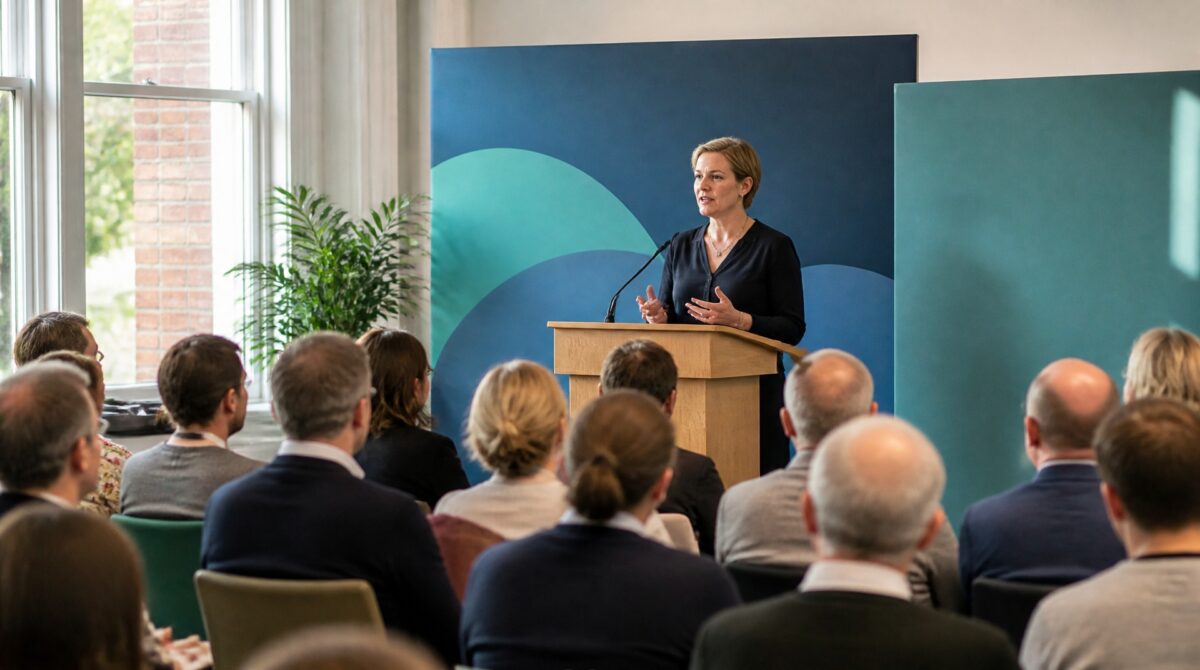
Conferences and professional events help associations bring their members together and share industry knowledge.
Keep Control of Your Membership Information
Many associations use third-party membership platforms to manage subscriptions and member records. These can be effective solutions, especially when their features closely match the organisation’s requirements. However, problems can develop when the organisation needs something the platform doesn’t provide.
Additional features may incur extra charges, subscription costs can rise, and switching providers can be difficult. Data protection is also a key consideration, particularly when another company stores and manages membership information.
Our experience developing bespoke membership management systems has shown us the value of building around an organisation’s existing processes, rather than expecting people to adapt to a particular platform’s limitations. Greater control over functionality and data management can also make it easier to accommodate changing requirements.

Membership systems work best when they reflect the organisation’s needs and the way its staff operate.
Neither approach removes the need for proper security and GDPR compliance, but every membership organisation should prioritise retaining control over important data and understanding where it is held.
Make Everyday Website Updates Easy
Membership organisations often produce a surprising amount of information. News stories, event details, and professional resources all need updating, sometimes by staff or volunteers with little experience managing websites.
When publishing becomes complicated, even simple changes can be delayed. An outdated website may suggest very little is happening, even when the organisation is extremely active behind the scenes.
We’ve found that the most effective editing systems are often the simplest. By giving staff clearly defined areas to update news, events, and other information, you can make everyday publishing straightforward while protecting the website’s design and structure.

Straightforward website management helps association staff keep news and information up to date.
A Consistent Identity Brings Everything Together
Membership organisations often have several people speaking on their behalf. Committee members may contribute industry commentary, while staff promote events or share membership information. Without a clear approach to branding and communications, the organisation can start to look and sound different depending on who produces the material.
A strong brand identity helps bring those activities together. Consistent design across the website, publications and social media makes the organisation more recognisable, while clear messaging helps different audiences understand its purpose.
Our work with membership organisations has included developing consistent branding and producing videos that help communicate their purpose. Hearing members describe their experiences or seeing an event in action can bring an organisation to life in ways written descriptions sometimes can’t. Well-produced films can also support membership campaigns and show potential commercial partners the association’s reach.
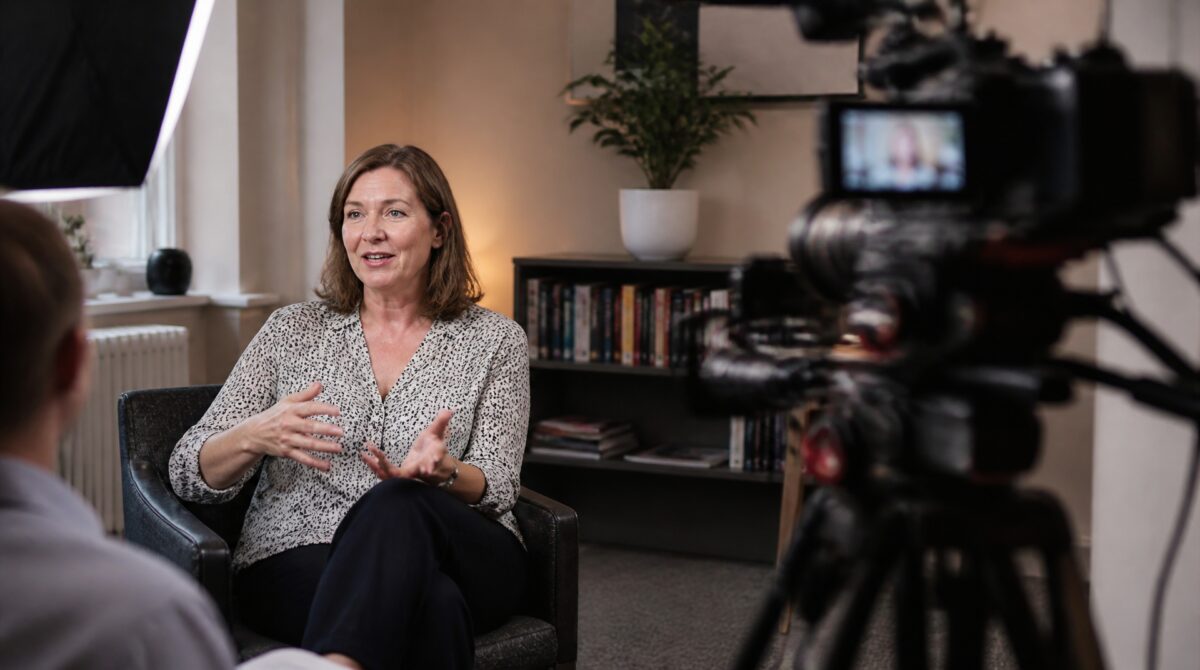
Video interviews can help associations communicate their purpose through the experiences of the people involved.
Make More of the Information You Already Have
Associations often have plenty to talk about. Industry developments, member achievements and events provide a steady source of material, but keeping communications active can be difficult when staff have other responsibilities.
A connected approach makes better use of what’s already available. A website article can be shared on social media, while a recorded presentation can provide material for several future posts. Useful information can also be revisited when it becomes relevant again, rather than disappearing after its first publication.
The website provides a permanent home for that material, giving members and visitors somewhere to explore the organisation’s knowledge and activities. Social media then becomes a way to bring people back to those resources, rather than the only place information appears.
A Website That Supports the Organisation
Membership organisations change over time. Their priorities develop, new activities emerge, and members’ expectations may shift. A website should be flexible enough to accommodate those changes without requiring a complete rebuild whenever something new is introduced.
The most useful digital systems often make everyday work easier. A website people can update confidently, accessible membership information, and communications that present a consistent identity all help the organisation operate more effectively.
At Video & Web, we start by understanding how an organisation works and what it needs to achieve. That understanding shapes the website, the systems behind it, and the wider communications strategy, so everything develops together.
A successful membership website should make life easier for the people running the organisation while providing genuine value to those who belong to it. It should also help new audiences understand why the organisation matters and give them a reason to become involved.
 VideoandWeb.com